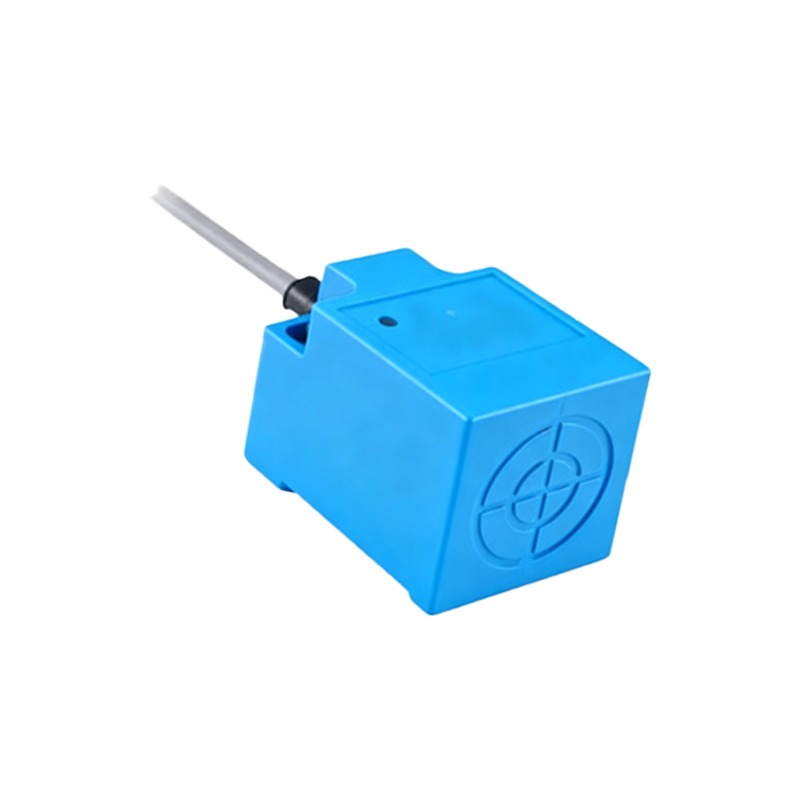
Proximity sensors are essential components in modern industrial automation, enabling non-contact detection of objects within a specified range. These devices enhance efficiency, safety, and precision in various applications, from manufacturing lines to robotics. This article explores the common types of proximity sensors, their working principles, and typical use cases in the electrical and automation industries.
Inductive proximity sensors are widely used for detecting metallic objects. They operate by generating an electromagnetic field; when a metal target enters this field, it induces eddy currents, causing a change in the sensor's oscillation amplitude. This change triggers an output signal. Inductive sensors are robust, resistant to environmental factors like dust or moisture, and ideal for harsh industrial settings. Common applications include position sensing in machinery, metal detection in conveyor systems, and safety interlocks.
Capacitive proximity sensors can detect both metallic and non-metallic materials, such as plastics, liquids, or wood. They function by measuring changes in capacitance between the sensor and the target object. When an object approaches, it alters the dielectric constant, leading to a shift in capacitance that activates the sensor. These sensors are versatile and suitable for level detection in tanks, material handling, and packaging industries where diverse materials are present.
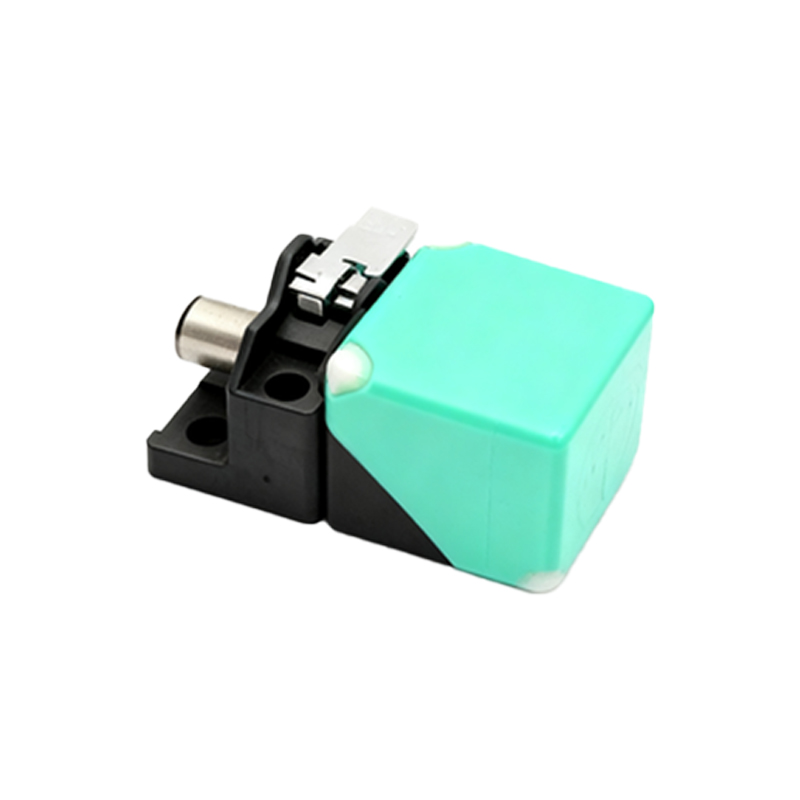
Ultrasonic proximity sensors use sound waves to detect objects. They emit high-frequency ultrasonic pulses and measure the time taken for the echo to return after hitting a target. This time-of-flight principle allows for accurate distance measurement and detection of various materials, regardless of color or transparency. Ultrasonic sensors are commonly applied in liquid level control, object positioning, and collision avoidance in automated guided vehicles (AGVs).
Magnetic proximity sensors, also known as reed switches or Hall effect sensors, detect magnetic fields. They activate when a magnet or magnetic object comes within range. Reed switches consist of ferromagnetic reeds that close or open in response to magnetism, while Hall effect sensors generate a voltage proportional to the magnetic field strength. These sensors are often used in safety systems, door position sensing, and rotational speed monitoring.
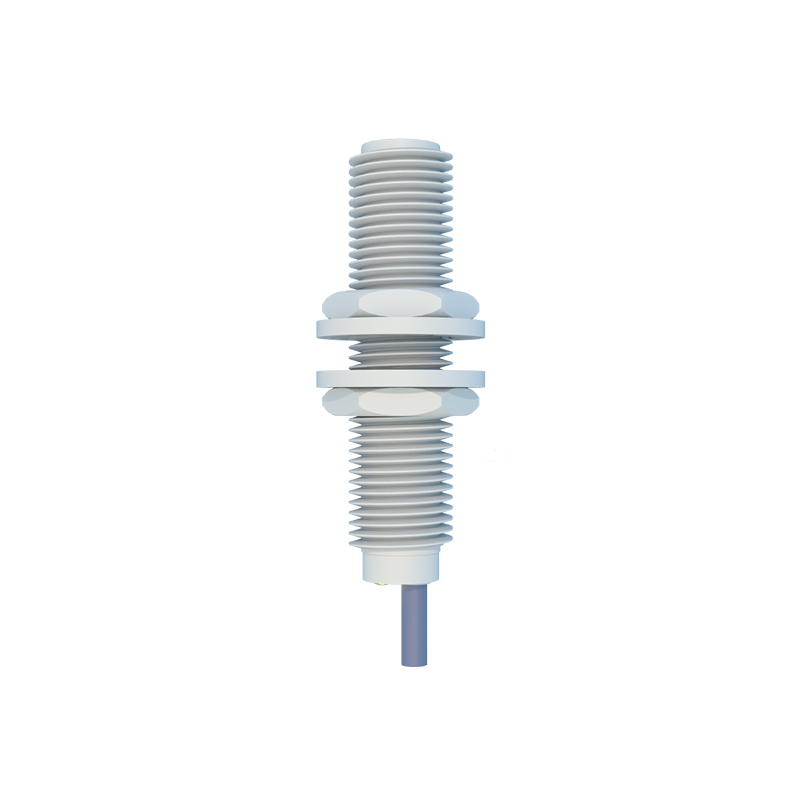
Photoelectric proximity sensors rely on light beams to detect objects. They consist of an emitter (usually an LED or laser) and a receiver. When an object interrupts or reflects the light beam, the sensor triggers an output. Photoelectric sensors come in through-beam, retro-reflective, and diffuse reflection types, each suited for different ranges and environments. They excel in applications like counting products on assembly lines, detecting transparent materials, and ensuring precise alignment in printing machines.
Each type of proximity sensor offers unique advantages based on its technology. Factors such as detection range, material compatibility, environmental conditions, and cost influence the selection process. In industrial settings, proximity sensors contribute to automation by enabling real-time monitoring, reducing mechanical wear, and improving operational safety. As technology advances, smart sensors with integrated communication protocols (e.g., IO-Link) are becoming more prevalent, allowing for enhanced diagnostics and data integration in Industry 4.0 systems.
Understanding these sensor types helps engineers and technicians choose the right solution for specific applications, optimizing performance and reliability in electrical and automation projects. Regular maintenance, including calibration and environmental protection, ensures long-term functionality and accuracy.