In the vast landscape of industrial automation, robotics, and consumer electronics, the ability to detect the presence, absence, or distance of an object without physical contact is paramount. Among the suite of non-contact sensing technologies, the infrared (IR) proximity sensor stands out for its reliability, cost-effectiveness, and versatility. This article delves into the fundamental principles, typical applications, and key considerations for selecting and implementing these ubiquitous sensors.
At its core, an infrared proximity sensor operates by emitting an invisible beam of infrared light and measuring the reflected signal. The basic components include an IR emitter, typically an infrared light-emitting diode (IR LED), and an IR receiver, such as a phototransistor or photodiode. The emitter projects a modulated IR beam (often pulsed at a specific frequency to mitigate ambient light interference) into its field of view. When an object enters this field, a portion of the emitted light is reflected back towards the sensor. The receiver detects this reflected radiation. The sensor's internal circuitry then processes this signal. In a simple digital (on/off) proximity sensor, the output switches state when the reflected intensity surpasses a predefined threshold, indicating an object is within a certain range. More sophisticated analog or distance-measuring sensors correlate the intensity of the reflected light or, in some advanced models, the phase shift of the modulated signal, to calculate the approximate distance to the object.
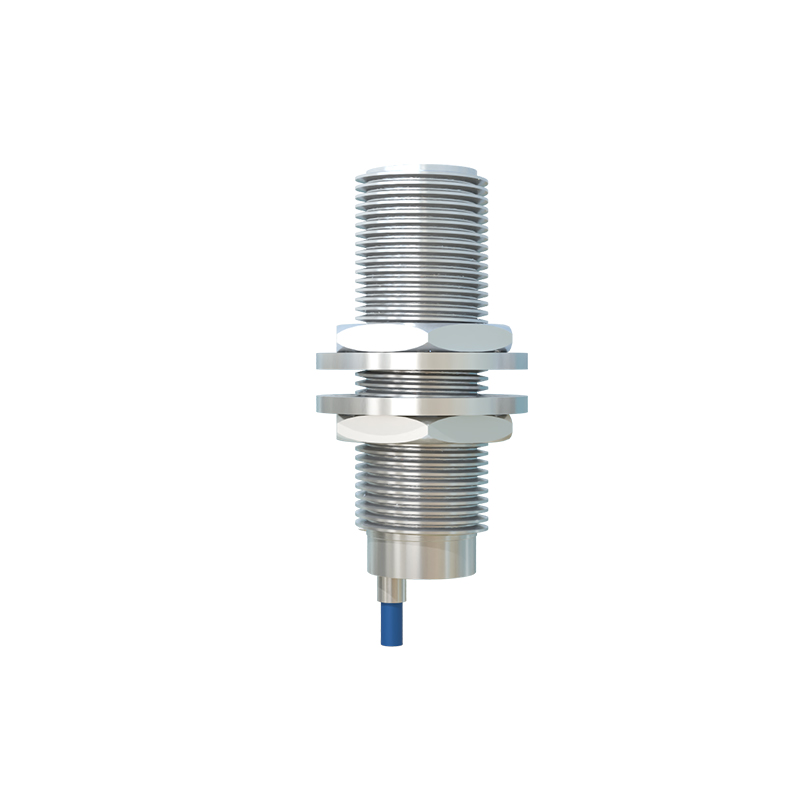
The working principle confers several distinct advantages. First, as a non-contact method, it eliminates mechanical wear and tear, ensuring a long operational life. Second, it can detect a wide variety of materials, although the detection range and consistency are highly dependent on the object's color, texture, and reflectivity. Dark, matte, or absorbent surfaces reflect less IR light, reducing the effective sensing range, while light-colored, shiny surfaces are easily detected from farther away. This characteristic must be carefully accounted for during system design. Furthermore, IR sensors are generally immune to acoustic noise and can operate effectively in environments where ultrasonic sensors might struggle.
Infrared proximity sensors have permeated countless applications across industries. In consumer electronics, they are the workhorse behind smartphone screen blanking during calls, saving battery life by disabling the touchscreen when held near the ear. They enable touchless gesture control in devices and automatic faucets or soap dispensers in public restrooms, promoting hygiene. In the industrial realm, they are deployed for object detection on conveyor belts, counting products, monitoring bin levels, and ensuring proper positioning in assembly lines. Mobile robots and autonomous guided vehicles (AGVs) rely on arrays of IR sensors for basic obstacle avoidance and cliff detection. In the automotive sector, they are used in interior monitoring systems and some rain-sensing modules.
Selecting the appropriate IR proximity sensor requires a careful analysis of several parameters. The sensing range is the most obvious, specifying the maximum distance at which a standard object can be reliably detected. It's crucial to note the difference between the nominal range and the effective range for your specific target material. The output type must match the control system: digital (NPN/PNP transistor) for simple presence detection, or analog (0-10V, 4-20mA) for distance-proportional information. The response time dictates how quickly the sensor can react to a changing condition, critical for high-speed applications. Environmental robustness is key; factors like ambient temperature, potential exposure to dust, moisture (IP rating), and intense ambient IR light (e.g., sunlight or heating lamps) can severely impact performance. Sensors with robust housing, optical filters, and modulated IR signals offer better immunity to such interference. Finally, the physical form factor—cylindrical, rectangular, or slot-style—must suit the mechanical constraints of the installation.
Installation and alignment are critical for optimal performance. The sensor should be mounted securely to prevent vibration-induced false triggers. The sensing path must be clear of obstructions like dust, oil mist, or stray reflective surfaces that could cause erratic readings. For distance measurement, regular calibration against the actual target material under operating conditions is recommended to ensure accuracy.
In conclusion, the infrared proximity sensor is a fundamental and highly adaptable component in the engineer's toolkit. Its simple yet effective principle of modulated light reflection provides a robust solution for countless detection and positioning tasks. By thoroughly understanding its operating characteristics, limitations related to target surface properties, and the full spectrum of selection criteria, engineers can effectively harness this technology to build smarter, more efficient, and responsive automated systems across a diverse range of industries. As technology advances, we see integration with digital interfaces (IO-Link) and smarter signal processing, further expanding the capabilities of this enduring sensor class.
SEO