Pressure proximity sensors are specialized devices that detect the presence or absence of an object by measuring changes in air pressure. Unlike traditional contact-based sensors, these operate without physical touch, making them ideal for environments where hygiene, delicate materials, or high-speed automation are priorities. The core principle relies on creating a controlled air flow—often through a small nozzle or orifice. When an object approaches, it disrupts this flow, altering the backpressure within the system. This change is precisely measured by an internal pressure transducer, which converts the physical pressure shift into an electrical signal. That signal is then processed to trigger an output, such as activating a switch or sending data to a control unit.
One of the standout advantages of pressure proximity sensors is their robustness. Since the sensing element is typically sealed within the device, it remains protected from dust, moisture, oils, and other contaminants. This makes them suitable for harsh industrial settings like automotive manufacturing, food processing, and packaging lines. In food production, for example, sensors must avoid direct contact with products to prevent contamination; non-contact pressure sensors reliably detect containers or lids on conveyor belts without compromising sanitation standards. Similarly, in electronics assembly, they can position fragile components like circuit boards without risking physical damage.
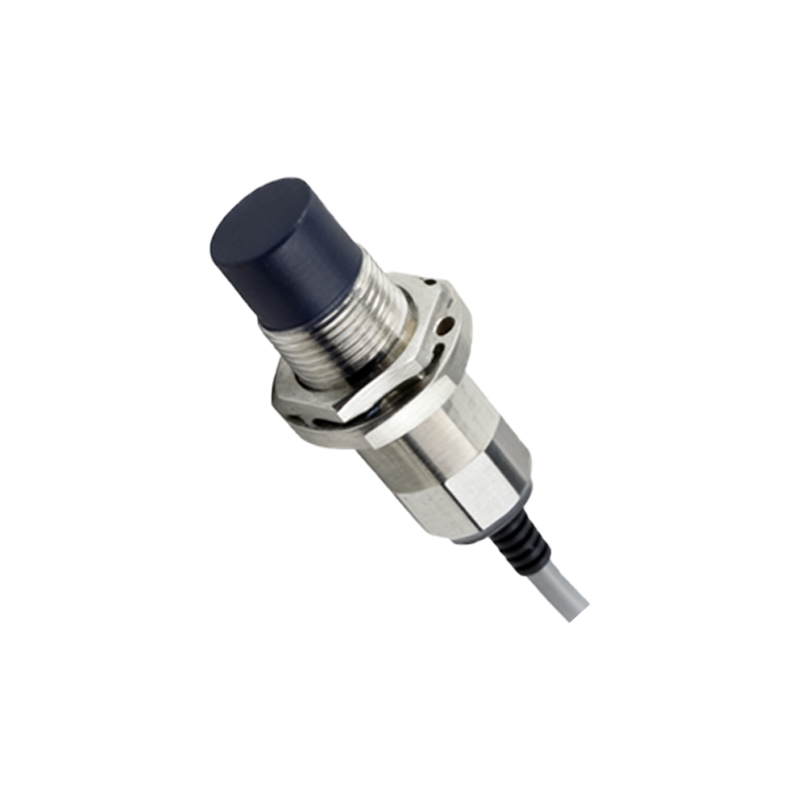
The technology behind these sensors varies. Some designs use a simple diaphragm and strain gauge arrangement, where pressure changes cause microscopic deformation, altering electrical resistance. Others employ more advanced piezoelectric or capacitive sensing elements for higher sensitivity. Differential pressure sensors are also common, comparing pressure between two points to detect subtle disruptions in air flow. This versatility allows engineers to select models based on range, response time, and environmental needs. For instance, in pneumatic systems, sensors monitor air pressure to ensure machinery operates within safe limits, preventing failures or accidents.
Applications extend beyond factory floors. In healthcare, pressure proximity sensors are integrated into respiratory devices to monitor airflow without obstructing it. In automotive safety systems, they can detect a passenger's presence in a seat to enable or disable airbag deployment. Even consumer appliances like automatic soap dispensers or touchless faucets utilize miniature versions, where a hand's approach interrupts an air jet, triggering liquid release. This blend of reliability and non-contact operation fuels innovation in smart infrastructure and IoT devices, where sensors gather data for predictive maintenance or energy efficiency.
Despite their benefits, selecting the right sensor requires consideration. Factors like sensing distance, media compatibility (e.g., clean air vs. humid conditions), and output type (analog or digital) must align with the application. Regular calibration is also recommended to maintain accuracy, as temperature fluctuations or debris buildup can affect performance. However, with minimal moving parts, these sensors often boast long service lives and low maintenance needs.
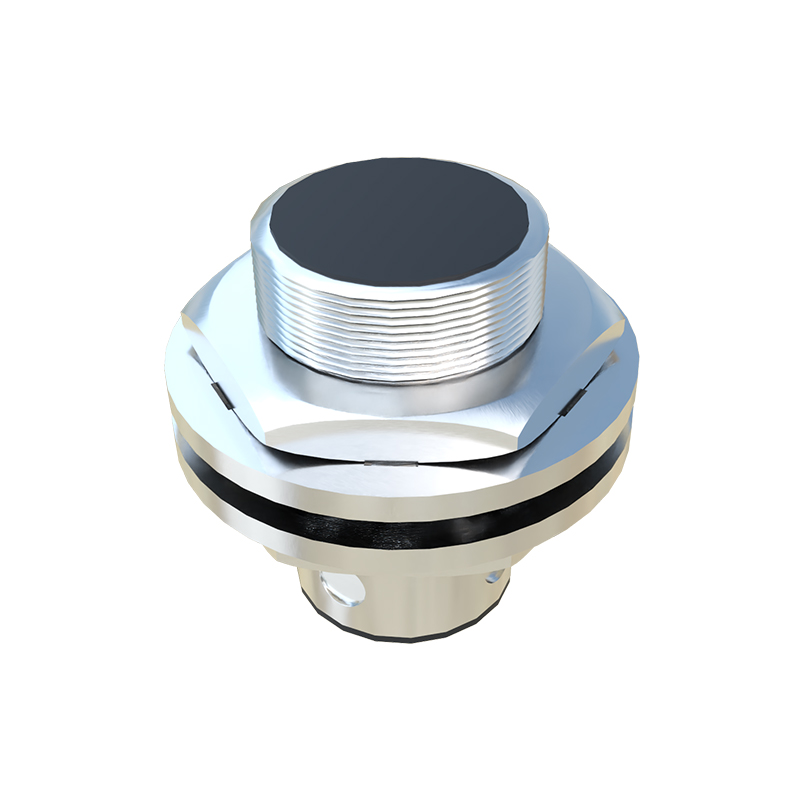
As automation and Industry 4.0 advance, pressure proximity sensors are evolving with connectivity features like IO-Link or wireless communication, enabling real-time monitoring and integration into networked systems. Their ability to operate in challenging conditions while providing precise, non-contact detection ensures they remain a cornerstone of modern industrial and technological solutions. From ensuring packaging integrity to enabling touchless interfaces, these sensors exemplify how subtle physical principles—like air pressure changes—can drive efficiency and innovation across diverse fields.