In the realm of industrial automation and smart device technology, proximity sensors play a pivotal role in enabling non-contact detection. Among the various types, PP proximity sensors, often referring to sensors based on specific physical principles like capacitive or inductive sensing, have garnered significant attention for their reliability and versatility. This guide delves into the core aspects of these sensors, explaining their fundamental operation, key characteristics, and diverse application fields.
At its heart, a PP proximity sensor is a device designed to detect the presence or absence of an object within a specified range without any physical contact. The "PP" designation can sometimes be associated with particular model series or the sensing principle, such as "Polarized Photoelectric" or denote specific performance parameters. However, in a broader industrial context, it commonly points to robust inductive or capacitive proximity switches. These sensors work by generating an electromagnetic field or an electrostatic field. When a target object enters this field, it causes a detectable change in the field's properties—such as a change in oscillation amplitude in inductive sensors or a change in capacitance in capacitive sensors. This change is then converted by the sensor's internal circuitry into a clear electrical output signal, typically a switch signal (ON/OFF).
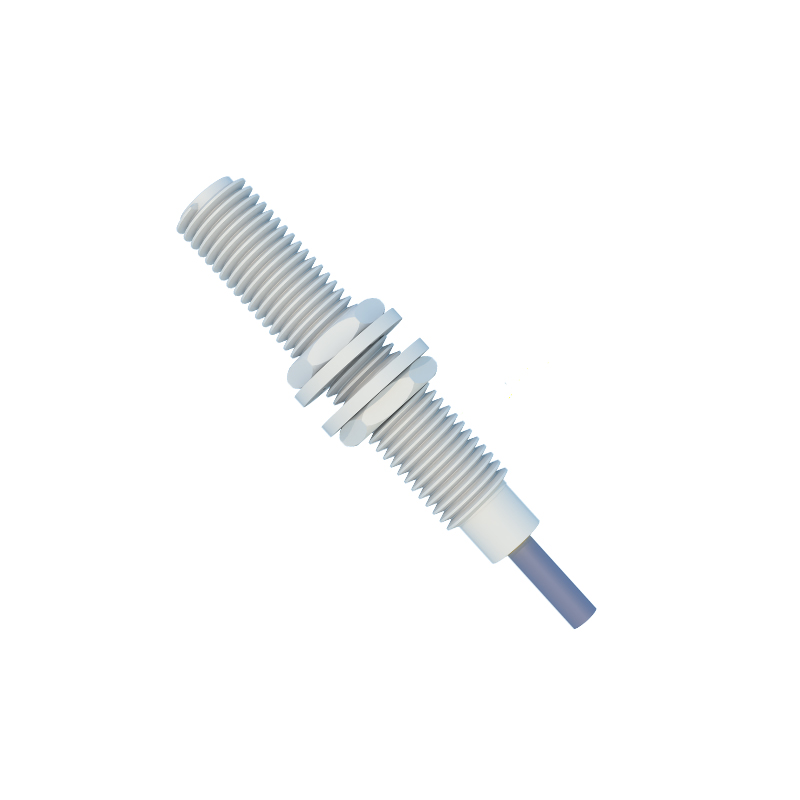
The advantages of using high-quality PP proximity sensors are manifold. Firstly, their non-contact nature ensures there is no mechanical wear and tear on either the sensor or the target, leading to exceptionally long operational life and minimal maintenance. They offer high switching frequencies, allowing for rapid detection in fast-paced production lines. Furthermore, these sensors are generally immune to environmental factors like dust, dirt, oil, and moisture, especially those housed in rugged, sealed enclosures. This makes them ideal for harsh industrial environments. Their ability to detect a wide range of materials—metals for inductive types, and virtually any material including liquids and plastics for capacitive types—adds to their flexibility.
The applications of PP proximity sensors span across numerous industries. In manufacturing and assembly lines, they are indispensable for tasks such as object counting, position verification, end-of-travel detection for machine parts, and breakage detection. The automotive industry relies on them extensively for robotic welding, part presence checking, and automated painting systems. In packaging machinery, these sensors ensure proper filling levels and label positioning. Beyond heavy industry, they are found in everyday consumer devices; capacitive proximity sensors, for instance, are what enable the screen of a smartphone to turn off when held close to the ear during a call. They are also crucial in security systems for tamper detection and in building automation for controlling lighting.
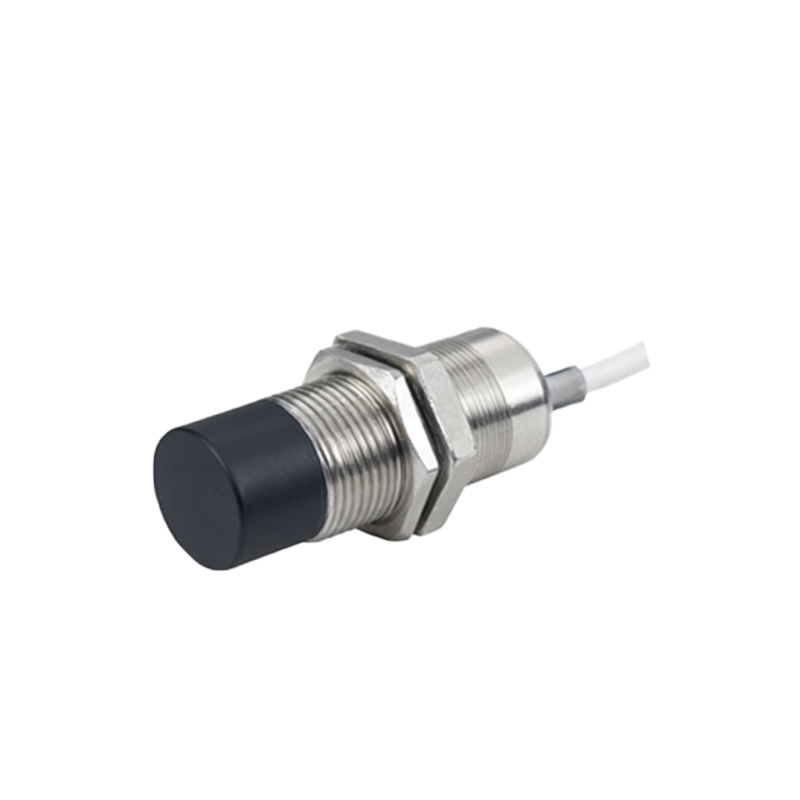
Selecting the right PP proximity sensor requires careful consideration of several parameters. The sensing distance, or the maximum range at which the sensor can reliably detect a standard target, is primary. The nature of the target material is critical—inductive sensors are only suitable for metals, while capacitive sensors are material-agnostic. Environmental conditions like temperature extremes, potential chemical exposure, and required ingress protection (IP) ratings must be evaluated. The output type (e.g., NPN, PNP, analog) needs to be compatible with the control system (PLC). Finally, the physical size and mounting style (threaded barrel, rectangular) must fit the mechanical design of the application.
Installation and wiring are straightforward but demand attention to detail. Sensors should be mounted securely to avoid vibration-induced errors. It is essential to maintain the recommended clearance from surrounding metal objects to prevent false triggering, a concept known as the "flush-mountable" or "non-flush" mounting specification. Proper shielding and routing of cables away from high-power lines are necessary to prevent electrical noise interference. Regular functional testing is recommended as part of preventive maintenance to ensure ongoing system reliability.
In conclusion, PP proximity sensors are fundamental components that bridge the physical and control worlds in automated systems. Their precise, wear-free operation and adaptability make them a cornerstone of modern industrial efficiency and smart technology. Understanding their working principles, strengths, and correct implementation criteria is key to leveraging their full potential, ensuring optimized performance, enhanced safety, and reduced downtime in countless applications. As technology evolves, these sensors continue to become more intelligent, integrated, and capable, solidifying their role in the future of automation.