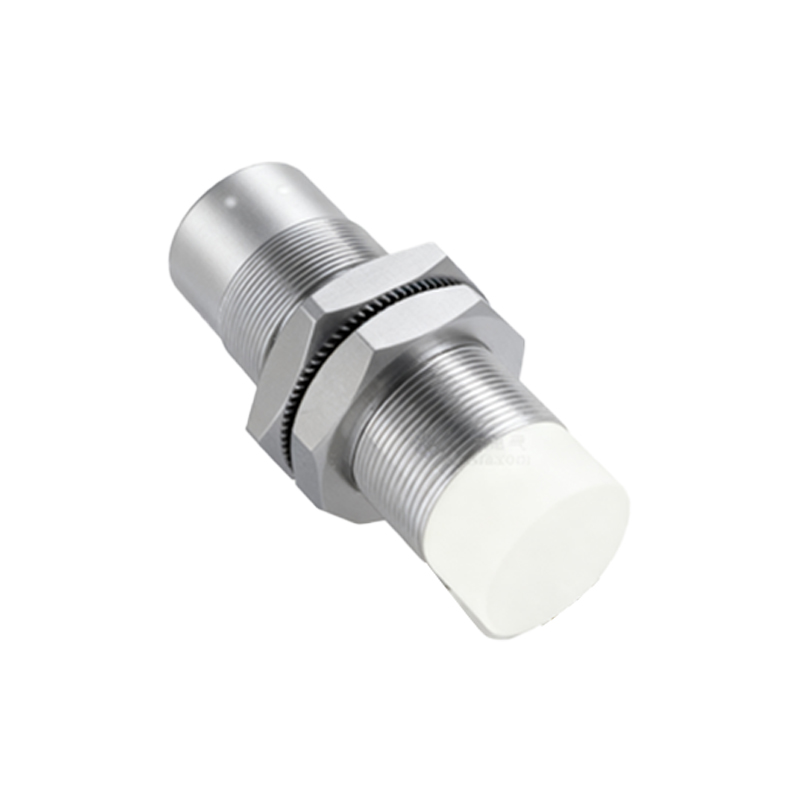
In the world of industrial automation and machine safety, proximity sensors are indispensable components. Among the various types available, the normally closed (NC) proximity sensor holds a unique and critical position. Unlike its more common normally open (NO) counterpart, a normally closed proximity sensor is designed to complete a circuit in its default, non-activated state. This fundamental operational difference makes it the preferred choice for numerous fail-safe and safety-critical applications.
To understand its function, consider the basic principle. A standard inductive or capacitive proximity sensor detects the presence or absence of a metallic or non-metallic target without physical contact. In a normally closed configuration, the sensor's output switch is closed when no target is within its sensing range. This allows electrical current to flow through the circuit. When a target enters the sensing field, the switch opens, interrupting the current flow. This behavior is the inverse of a normally open sensor, which only closes the switch upon detecting a target.
The primary advantage of the normally closed design lies in its inherent fail-safe characteristic. In many safety and monitoring systems, it is crucial to know immediately if a sensor fails, a wire breaks, or power is lost. A normally closed sensor is typically wired into a circuit in such a way that any break in the loop—whether from sensor activation, wire damage, or power loss—causes the system to go into a safe state, such as stopping a machine. For instance, in a safety interlock guarding a dangerous machine part, a normally closed sensor on the guard door would keep the circuit closed, allowing operation. If the door is opened, the sensor opens the circuit, triggering an immediate machine halt. If the sensor's wiring were accidentally cut, the circuit would also break, achieving the same safe shutdown. This "broken wire = stop" logic is a cornerstone of machine safety standards like ISO 13849.
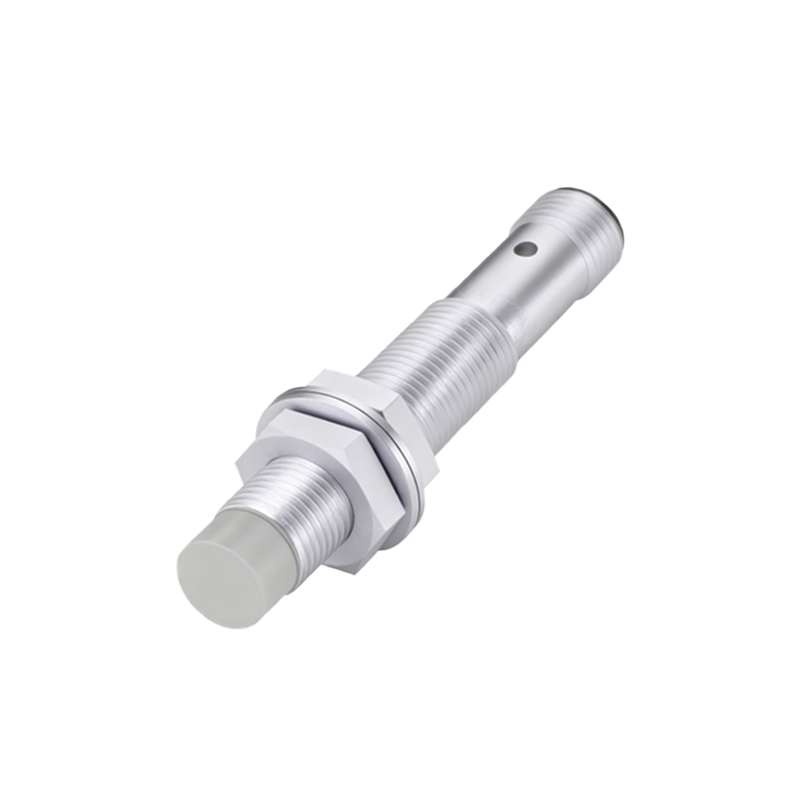
Common applications for normally closed proximity sensors extend beyond safety gates. They are frequently used in over-travel or end-of-travel limit switches. In a linear actuator system, an NC sensor at the extreme end of travel can signal the control system to stop or reverse direction when the actuator reaches it, preventing mechanical damage. They are also valuable in material presence detection for fault conditions. For example, in a conveyor system meant to have continuous material flow, an NC sensor positioned to monitor the material would open its circuit if the material is present (normal operation). If the material runs out (a fault), the sensor closes, signaling the control system to alert an operator or stop downstream processes.
When selecting a normally closed proximity sensor, several key factors must be evaluated alongside the output configuration. First, the sensing technology must match the target material: inductive sensors for metals, capacitive for non-metals like plastics, liquids, or wood. Second, the sensing distance, or range, must be sufficient for the application, with a safety margin. Environmental conditions are critical; sensors may need specific ingress protection (IP) ratings for dust and water resistance, temperature tolerance for harsh environments, or resistance to chemicals, oils, and coolants. The housing material, such as stainless steel or PBT plastic, should be chosen accordingly. Electrical specifications are equally important: the operating voltage (e.g., 10-30V DC), output type (typically a solid-state PNP or NPN transistor in 2-wire or 3-wire designs), and current-carrying capacity must be compatible with the controller (PLC) or relay it connects to.
Installation and wiring require careful attention. While the logic is fail-safe, incorrect wiring can negate this benefit. It is essential to follow the manufacturer's datasheet precisely. In a typical 3-wire DC sensor, the brown wire is connected to positive voltage (+V), the blue wire to negative or common (0V), and the black wire is the switched output load wire. For a normally closed sensor, the black wire will supply voltage to the load when no target is present. Always consult the wiring diagram. Regular testing and maintenance are vital to ensure continued reliability. The sensor should be periodically checked to confirm it changes state correctly when a target is presented and removed, and its face should be kept clean from debris that could affect sensing performance.
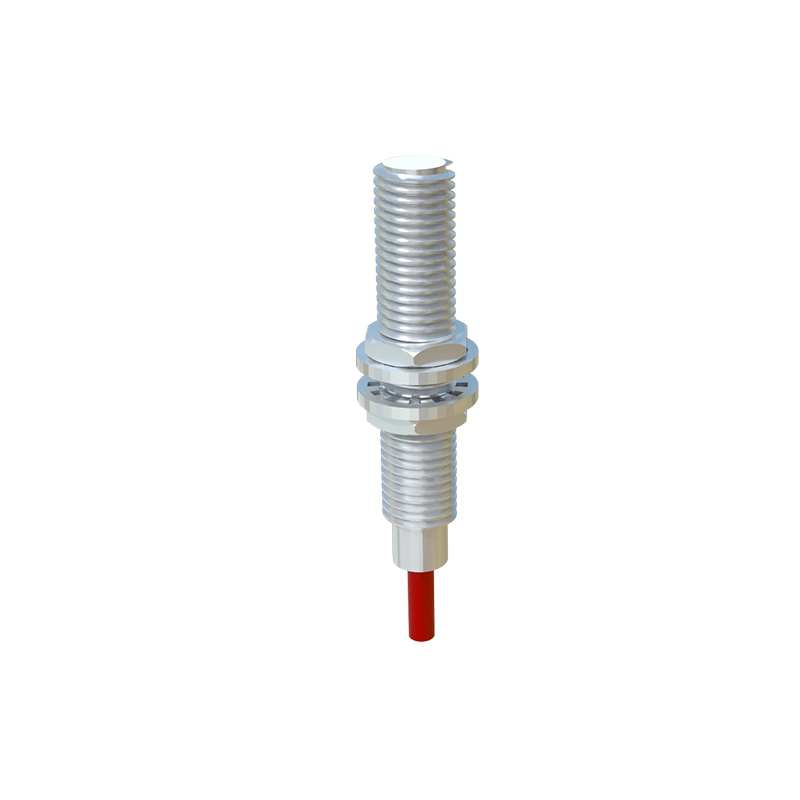
In summary, the normally closed proximity sensor is a specialized and vital tool for engineers and system designers. Its defining trait—a closed circuit at rest—provides a robust layer of safety and fault detection that is essential in creating reliable and secure automated systems. By understanding its working principle, recognizing its ideal applications in safety interlocks and fault monitoring, and carefully selecting and installing the correct sensor for the environment, one can leverage its fail-safe nature to build more resilient machinery and processes.
SEO