In the intricate world of modern electronics and industrial automation, the proximity sensor stands as a silent sentinel. Its primary function is to detect the presence or absence of an object without physical contact, relying on electromagnetic fields, light, or sound. While the internal components are sophisticated, the sensor's housing—the outer shell—plays a critical, often underappreciated role. This article delves into the specific issue of a damaged proximity sensor housing, exploring its causes, the subsequent impacts on performance, and the pathways to effective resolution.
A proximity sensor's housing is its first line of defense. Typically constructed from materials like nickel-plated brass, stainless steel, or rugged plastics like PBT, it is designed to shield the sensitive internal electronics from environmental hazards. These include dust, moisture, oils, coolants, and physical impacts. When this housing is compromised—whether from a direct collision with machinery, a dropped tool, a forklift impact, or sustained vibration leading to fatigue—the consequences extend far beyond a simple cosmetic blemish.
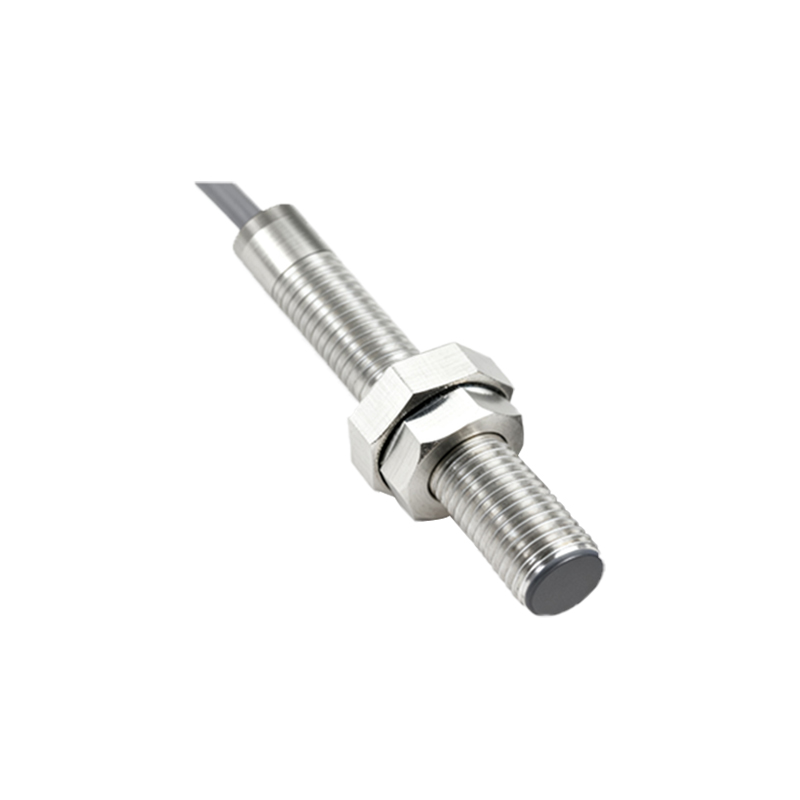
The immediate and most obvious risk of a damaged housing is the breach of the sensor's ingress protection (IP) rating. A crack, dent, or deformation can allow contaminants to seep inside. Metallic dust or conductive shavings can cause short circuits. Moisture or coolant ingress can corrode circuit boards and connections, leading to erratic behavior or complete failure. Even a small dent can misalign the sensor's sensing face, altering its electromagnetic field or optical path. This misalignment can dramatically reduce the sensor's effective sensing range, cause it to trigger falsely, or prevent it from detecting objects it was calibrated for.
Beyond environmental protection, the housing ensures precise mechanical mounting. A bent or warped housing can prevent the sensor from being securely fastened in its bracket or mounting hole. This instability can lead to further physical damage from vibration and will almost certainly affect the repeatability and accuracy of its measurements. In high-speed automation lines, such inconsistency can cause production jams, defective products, or unscheduled downtime.
Diagnosing issues stemming from housing damage requires a systematic approach. Visual inspection is the first step. Look for visible cracks, dents, scratches deep enough to compromise material integrity, or signs of impact. Next, check the sensor's performance against its datasheet specifications. Has its nominal sensing distance decreased? Is its output switching inconsistently when an object is presented at a fixed distance? Does it now trigger when no target is present? If the housing is deformed, also verify its mounting alignment. A sensor that is no longer perpendicular to its target will not perform correctly.
When faced with a damaged housing, the decision matrix typically involves repair versus replacement. For minor cosmetic scratches that do not affect the seal or structure, cleaning and continued use may be possible. However, for any damage that breaches the seal or deforms the body, replacement is almost always the recommended and most cost-effective long-term solution. Attempting to repair a cracked metal or plastic housing with adhesives or sealants is generally a temporary fix at best. These materials often cannot withstand industrial temperatures, chemicals, or maintain the necessary IP rating. They may also introduce substances that interfere with the sensor's field.
Replacing the sensor unit is the standard procedure. When doing so, it is prudent to consider upgrading to a model with a more robust housing material (e.g., switching from plastic to stainless steel) or a higher IP rating (e.g., IP67 instead of IP65) if the operating environment is particularly harsh. Ensuring proper installation is crucial for prevention. Sensors should be mounted in locations where they are less likely to be struck by moving parts, tools, or vehicles. Protective accessories, such as metal or polymer guard brackets, can be installed to deflect direct impacts. Regular maintenance checks should include inspecting sensors for signs of physical wear or damage.
In conclusion, the integrity of a proximity sensor's housing is fundamental to its reliability and longevity. An impact that damages this shell is not merely a superficial issue; it is a direct threat to the sensor's core functionality. By understanding the causes—from accidental collisions to environmental stress—and recognizing the symptoms of resulting failure, maintenance personnel and engineers can take proactive steps. Prioritizing timely inspection, opting for definitive replacement over unreliable repair, and implementing preventive mounting strategies are key to maintaining seamless operational flow and avoiding the costly downtime that a single, seemingly small impact can trigger.