Fiber optic proximity sensors, often referred to as fiber optic displacement sensors or fiber optic proximity switches, represent a critical technology in modern industrial automation and precision measurement. These sensors utilize the principles of light transmission through optical fibers to detect the presence, absence, or precise position of an object without physical contact. Their unique design offers significant advantages in challenging environments where traditional inductive, capacitive, or ultrasonic sensors may fail.
The core operating principle involves a light source, typically an LED or laser diode, which emits light through a transmitting optical fiber. This light is projected onto a target surface. Depending on the sensor's design—commonly bifurcated (two-fiber) or coaxial—the reflected light is collected by a receiving fiber or fibers and directed back to a photodetector. The intensity of the received light is a function of the distance to the target. In a reflective, intensity-modulated design, the output signal peaks at a specific optimal distance, providing a highly sensitive measurement range. For simple on/off proximity switching, the sensor is set to trigger when the reflected intensity crosses a predefined threshold, indicating the target has reached a specific position.
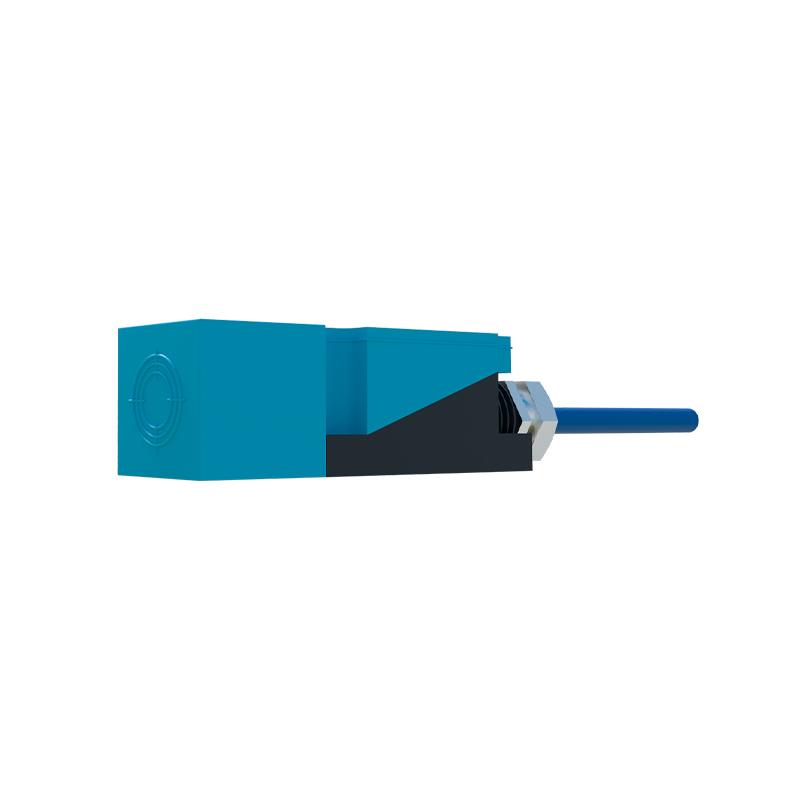
The benefits of fiber optic proximity sensors are substantial. First, they are inherently immune to electromagnetic interference (EMI) and radio frequency interference (RFI), making them ideal for use near motors, welders, or high-voltage equipment. Second, the sensing head contains no electronics, allowing operation in extreme temperatures, corrosive atmospheres, or high-pressure environments. The small size of the probe enables installation in confined spaces inaccessible to larger sensors. Furthermore, their fast response time suits high-speed automation lines, and their ability to detect a wide variety of materials—including metals, plastics, glass, and liquids—provides exceptional versatility.
Key application areas are diverse. In factory automation, they are deployed for precise part positioning on assembly lines, edge detection in web guiding systems, and jam detection in material handling. The semiconductor industry relies on them for wafer handling and chip placement due to their non-contact nature and high precision. In harsh environments like metal casting or chemical processing, they monitor valve positions or liquid levels. Medical device manufacturing utilizes their cleanliness and precision for component assembly.
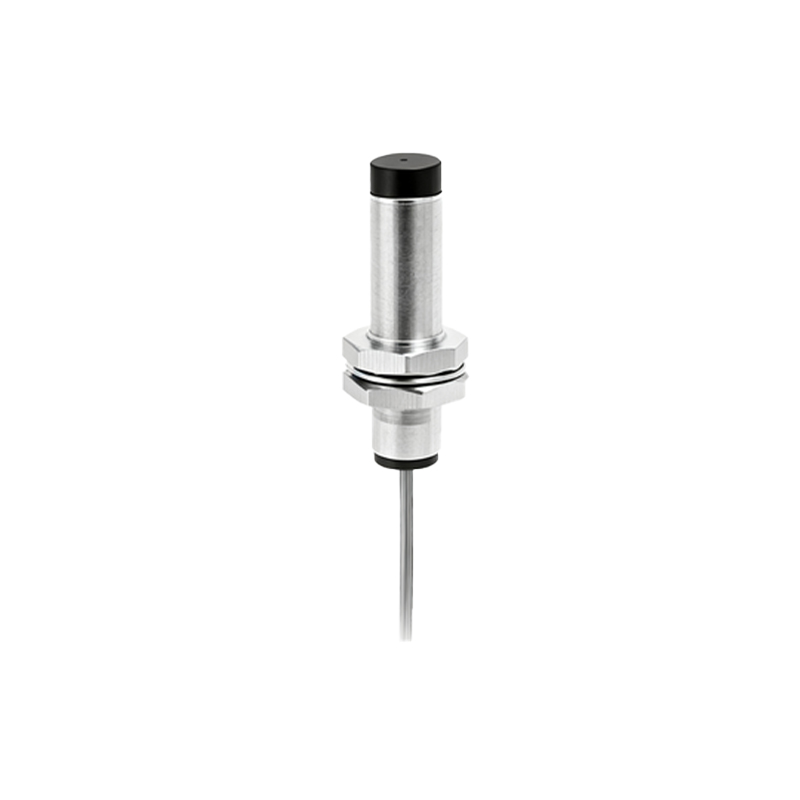
Selecting the appropriate fiber optic proximity switch requires careful consideration of several parameters. The sensing distance, typically ranging from a few millimeters to several hundred millimeters, must match the application. The type of fiber bundle (plastic or glass) affects flexibility, durability, and temperature resistance. The light source wavelength influences performance on different colored or transparent targets. Output options include analog (4-20 mA, 0-10 V) for continuous displacement measurement or digital (PNP/NPN) for switch functions. Environmental sealing (IP ratings) is crucial for dusty or wet conditions.
Installation and alignment are critical for optimal performance. The sensor must be mounted securely to minimize vibration effects. The target surface characteristics—color, reflectivity, texture, and angle—directly impact the sensing signal. Highly reflective surfaces may cause oversaturation, while dark, absorbent surfaces reduce signal strength. Many sensors feature teach-in or calibration functions to adapt to specific target conditions. Regular maintenance involves keeping the lens clean from dust or oil mist, which can attenuate the light signal.
Compared to other technologies, fiber optic sensors excel in niche applications. While laser triangulation sensors offer higher accuracy over longer ranges, fiber optics provide a more compact and environmentally robust solution for medium-range tasks. Inductive sensors are limited to metals, and capacitive sensors can be affected by material composition changes; fiber optics avoid these limitations.
In conclusion, fiber optic displacement sensors and proximity switches are indispensable tools for engineers seeking reliable, non-contact sensing in demanding conditions. Their immunity to interference, environmental robustness, and application flexibility ensure their continued growth in smart manufacturing, process control, and advanced research. As Industry 4.0 evolves, integrating these sensors with industrial networks and IoT platforms will further enhance their role in predictive maintenance and data-driven optimization, solidifying their status as a cornerstone of precision industrial sensing.