In the intricate world of industrial automation, robotic manipulators, or robotic arms, stand as pillars of precision and efficiency. At the heart of their seamless operation lies a class of often-overlooked yet indispensable components: proximity sensors. These electronic devices are fundamental to the safety, accuracy, and intelligence of modern robotic systems, acting as the primary interface between the machine and its physical environment. Their role transcends simple detection; they enable a level of situational awareness that is crucial for complex, high-speed automation tasks.
Proximity sensors function by detecting the presence or absence of an object within a specified range without any physical contact. This non-contact principle is paramount in robotics, as it eliminates mechanical wear, reduces maintenance, and allows for extremely high operational speeds. For a robotic arm, this capability is leveraged in numerous critical functions. One of the most fundamental is precise positioning and homing. Before initiating any programmed cycle, a manipulator must often reference a known "home" position. Inductive or capacitive proximity sensors are used to detect a metal or non-metal datum, respectively, providing a consistent and reliable zero point from which all other movements are calculated. This ensures repeatability, a non-negotiable requirement in applications like precision assembly or CNC machine tending.
Beyond homing, proximity sensors are vital for end-of-arm tooling (EOAT) interaction. In a pick-and-place operation, for instance, a sensor confirms the successful grip of a component before the arm moves. It verifies that a part is present in a gripper or a vacuum cup has secured an item, preventing the robot from attempting to move with an empty tool—a scenario that could lead to production errors or collisions. Similarly, in packaging or palletizing, sensors ensure a box or layer is correctly positioned before the robot places another on top, maintaining stack integrity.
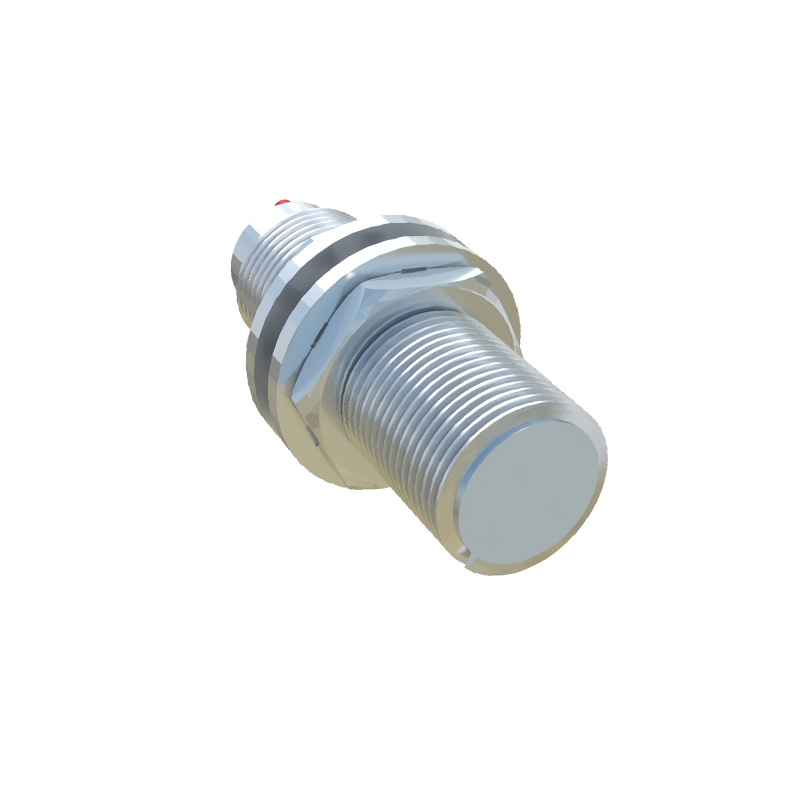
Perhaps the most critical role is in safety and collision avoidance. The workspace of a robotic cell is often shared with other machines, conveyors, or even human workers in collaborative robot (cobot) applications. Here, a network of proximity sensors creates a virtual safety envelope around the manipulator. If an unexpected intrusion is detected—be it a human hand, a misplaced pallet, or another robot—the sensor sends an immediate signal to the controller to slow down or halt movement entirely. This proactive intervention is far superior to reactive systems that only respond after a collision has occurred, thereby protecting both personnel and expensive capital equipment from damage.
The choice of sensor technology is dictated by the application's specific demands. Inductive sensors are the workhorses for detecting metallic objects and are ideal for sensing robot joint positions or metal workpieces. Capacitive sensors can detect both metallic and non-metallic materials (plastics, liquids, wood), making them suitable for handling diverse products. Ultrasonic sensors measure distance by emitting sound waves, providing excellent range-finding capabilities for bulk material handling or controlling the approach speed of a gripper. Photoelectric sensors, using light beams, offer long ranges and are perfect for detecting transparent objects or ensuring clear paths.
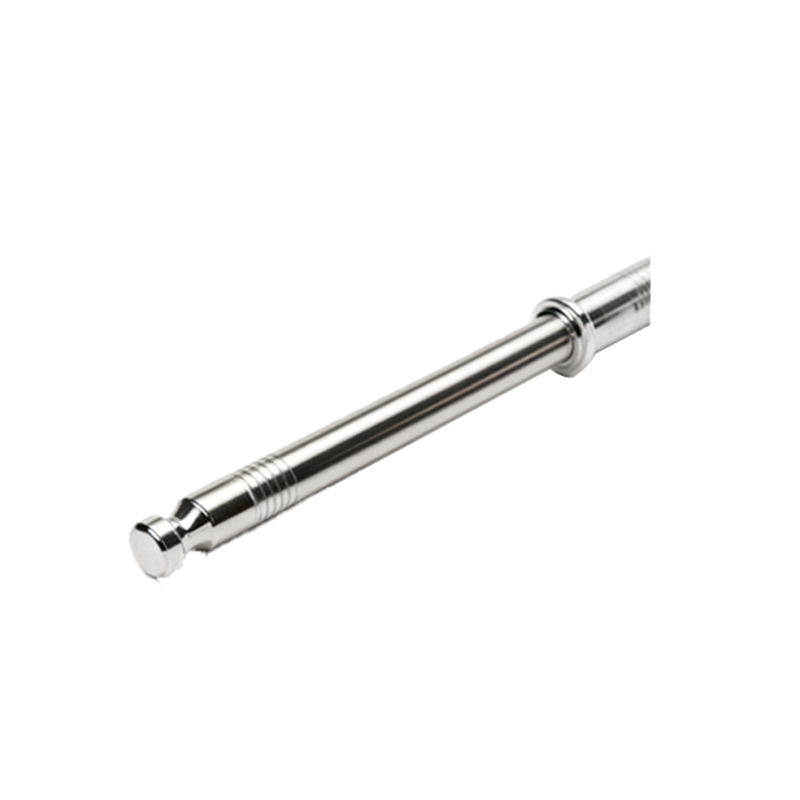
The integration of these sensors into the robotic control system is a sophisticated process. They provide binary (on/off) or analog (distance-proportional) signals to the Programmable Logic Controller (PLC) or the robot's own controller. This data is processed in real-time, allowing for dynamic adjustments. For example, an analog sensor can guide a deburring tool to maintain constant pressure against a variably shaped part, or a network of sensors can enable complex bin-picking by helping the robot identify the topmost item in a disorganized pile.
Looking forward, the role of proximity sensors is evolving with Industry 4.0. Smart sensors with integrated IO-Link communication not only detect objects but also transmit diagnostic data—reporting their health status, operating temperature, or signal strength. This facilitates predictive maintenance, where a technician can be alerted to a degrading sensor before it fails, minimizing unplanned downtime. In advanced, sensor-fused robotic systems, data from proximity sensors is combined with vision systems and force-torque sensors to create a rich, multi-dimensional perception of the environment, pushing automation towards unprecedented levels of autonomy and adaptability.
In conclusion, proximity sensors are the silent sentinels of robotic automation. They provide the essential feedback that transforms a pre-programmed mechanical arm into an intelligent, responsive, and safe manipulator. From ensuring millimeter-perfect repeatability to safeguarding human coworkers, their non-contact detection capabilities form the foundational layer of perception upon which modern robotic efficiency and sophistication are built. No discussion on robotic manipulator design or implementation is complete without a thorough understanding of the pivotal role played by these versatile and reliable components.