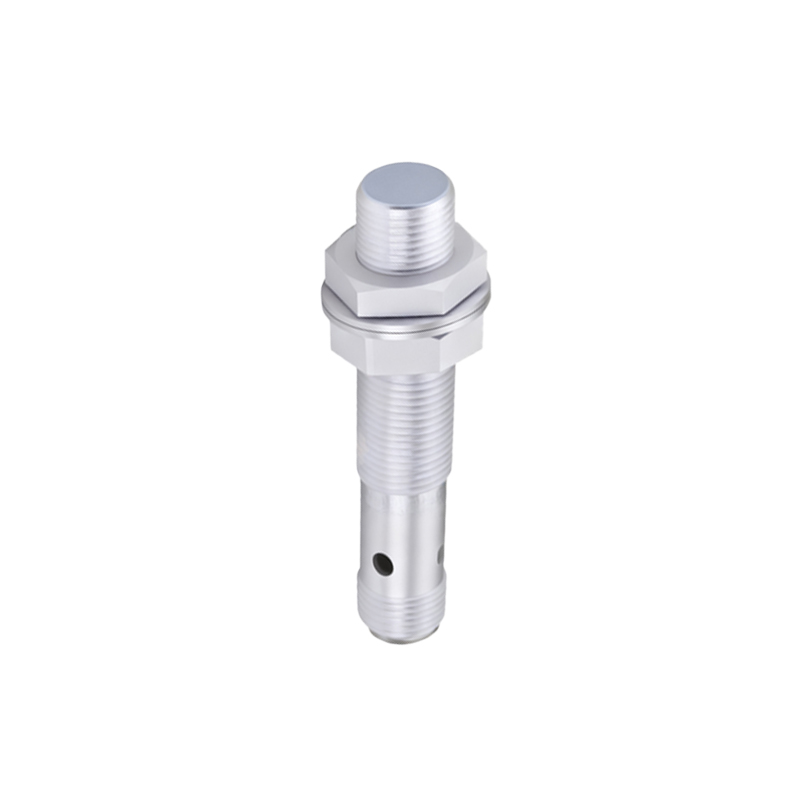
In the rapidly evolving landscape of industrial automation, proximity sensors have emerged as indispensable components, enabling non-contact detection of objects with unparalleled accuracy. Among the leading innovators in this field, Bituck stands out, delivering cutting-edge proximity sensor solutions that cater to a wide array of applications, from manufacturing lines to robotics and beyond. This article delves into the technological prowess of Bituck proximity sensors, exploring their features, benefits, and the transformative impact they bring to modern industries.
Bituck proximity sensors are engineered to excel in demanding environments, offering robust performance even under extreme conditions. Utilizing advanced sensing technologies such as inductive, capacitive, and magnetic principles, these sensors detect the presence or absence of metallic and non-metallic objects without physical contact. This non-invasive approach minimizes wear and tear, significantly extending the lifespan of both the sensors and the machinery they monitor. For instance, inductive sensors by Bituck are ideal for detecting metals, providing high repeat accuracy and resistance to environmental factors like dust, moisture, and temperature fluctuations. On the other hand, capacitive sensors excel in handling non-metallic materials, making them versatile for diverse industrial setups.
One of the key strengths of Bituck proximity sensors lies in their precision. With detection ranges tailored to specific needs, they ensure reliable operation in high-speed processes, reducing downtime and enhancing productivity. The sensors incorporate state-of-the-art electronics that enable fast response times, often in the millisecond range, which is critical for applications requiring real-time feedback. Moreover, Bituck designs these sensors with user-friendly features, such as easy installation, adjustable sensitivity, and LED indicators for status monitoring. This simplifies integration into existing systems, allowing engineers to deploy them seamlessly across various platforms.
Durability is another hallmark of Bituck proximity sensors. Constructed from high-grade materials like stainless steel and rugged plastics, they withstand harsh industrial atmospheres, including exposure to chemicals, vibrations, and mechanical shocks. Many models are IP67 or IP68 rated, ensuring protection against water and dust ingress. This resilience translates to lower maintenance costs and higher operational efficiency, as the sensors continue to perform reliably over extended periods. In industries such as automotive manufacturing, where precision and reliability are paramount, Bituck sensors play a pivotal role in quality control and assembly line automation.
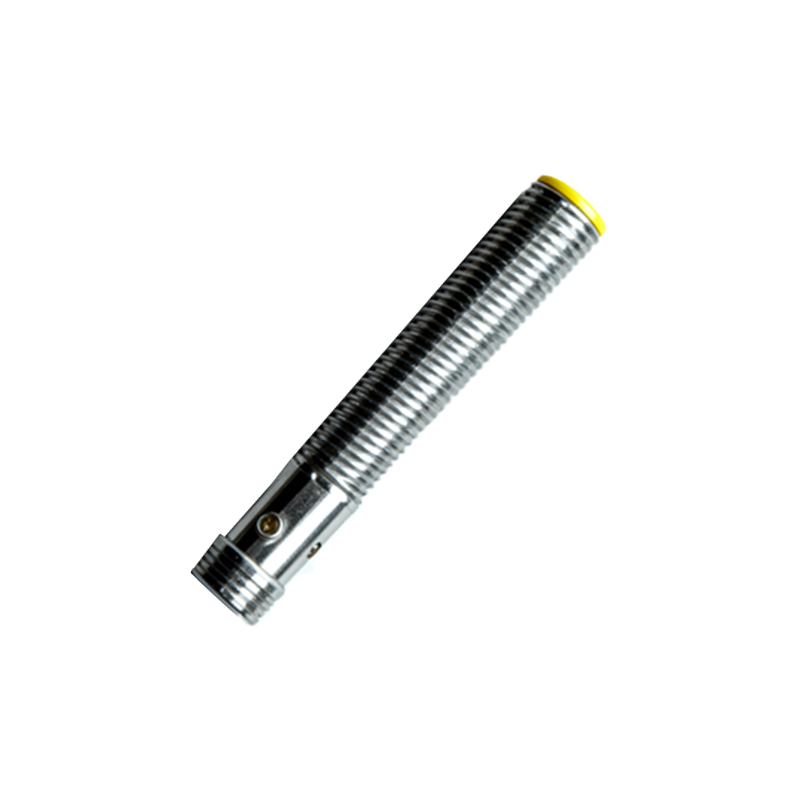
Beyond traditional applications, Bituck is at the forefront of integrating smart technologies into proximity sensors. Recent innovations include IoT-enabled sensors that facilitate data collection and analysis for predictive maintenance. By connecting to industrial networks, these sensors provide insights into machine health, enabling proactive interventions before failures occur. This aligns with the Industry 4.0 paradigm, where interconnected devices drive smarter, more efficient operations. Bituck's commitment to research and development ensures that their products remain at the cutting edge, adapting to emerging trends like miniaturization and energy efficiency.
In conclusion, Bituck proximity sensors represent a blend of innovation, reliability, and adaptability, making them a preferred choice for engineers worldwide. Their ability to enhance safety, optimize processes, and reduce costs underscores their value in today's competitive industrial landscape. As automation continues to advance, Bituck's contributions are set to shape the future, empowering businesses to achieve new heights of efficiency and productivity.