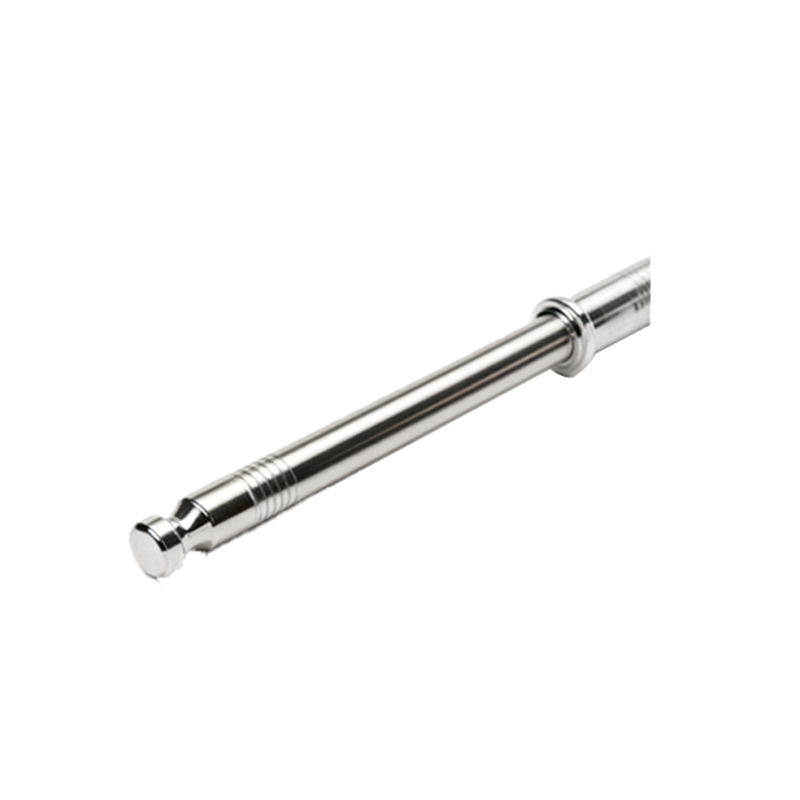
The production of ultrasonic proximity sensors represents a sophisticated intersection of precision engineering, advanced materials science, and cutting-edge electronics. These sensors, which operate by emitting high-frequency sound waves and measuring their reflection to detect objects, are critical components in automation, robotics, automotive systems, and industrial safety applications. The manufacturing process begins with the design phase, where engineers utilize CAD software to model the sensor housing and internal components, ensuring optimal acoustic performance and environmental durability. Key considerations include the selection of piezoelectric transducers, which convert electrical signals into ultrasonic waves and vice versa, and the design of the signal processing circuitry that filters noise and interprets echo data.
Material selection is paramount in ultrasonic sensor production. The housing is typically constructed from engineering plastics such as PBT or ABS, which offer excellent resistance to moisture, chemicals, and mechanical stress. For harsh industrial environments, stainless steel or aluminum alloys may be employed to enhance robustness. The piezoelectric elements, often made from lead zirconate titanate (PZT) crystals, are carefully calibrated to resonate at specific frequencies, commonly ranging from 40 kHz to 400 kHz, depending on the required sensing range and resolution. These crystals are bonded to damping materials to control vibration and improve signal clarity, a process requiring meticulous alignment and epoxy application under controlled atmospheric conditions.
The assembly line for ultrasonic sensors integrates automated and manual processes to ensure high precision and consistency. Surface-mount technology (SMT) lines populate printed circuit boards (PCBs) with microcontrollers, amplifiers, and communication modules, which are then subjected to automated optical inspection (AOI) and functional testing. The transducer assembly is mounted within the housing, with acoustic matching layers applied to optimize impedance and maximize energy transfer. Sealing techniques, such as ultrasonic welding or gasket-based methods, are employed to achieve IP67 or higher ingress protection ratings, safeguarding internal electronics from dust and water exposure.
Calibration and testing form the cornerstone of quality assurance in ultrasonic sensor production. Each unit undergoes rigorous performance validation in environmental chambers that simulate extreme temperatures, humidity, and vibration. Key parameters assessed include detection range, response time, beam angle, and repeatability. Advanced test setups use robotic arms to move target objects at varying distances and angles, collecting data to verify adherence to specifications. Signal integrity is analyzed using oscilloscopes and spectrum analyzers, ensuring minimal cross-talk and electromagnetic interference (EMI). Manufacturers also implement traceability systems, logging serial numbers and test results for each sensor to facilitate recalls or troubleshooting in field applications.
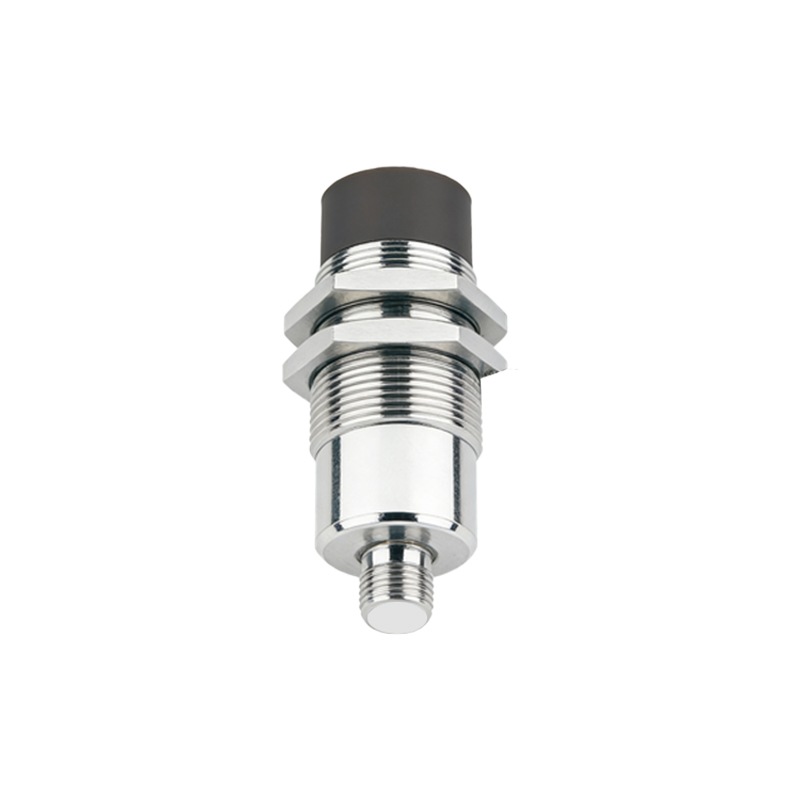
Innovations in ultrasonic sensor production are driven by trends toward miniaturization, energy efficiency, and smart connectivity. The integration of AI algorithms for echo pattern recognition enables sensors to distinguish between object types or detect partial obstructions. Wireless protocols like IO-Link and Bluetooth Low Energy (BLE) allow for real-time diagnostics and parameter adjustments without physical access. Additionally, the adoption of lead-free piezoelectric materials and recyclable plastics aligns with global sustainability initiatives, reducing environmental impact without compromising performance.
In conclusion, the production of ultrasonic proximity sensors is a testament to engineering rigor and technological advancement. From material science to automated assembly and AI-enhanced functionality, each stage is optimized to deliver reliable, accurate, and durable sensing solutions. As industries increasingly embrace automation and IoT, the demand for high-performance ultrasonic sensors will continue to grow, pushing manufacturers to innovate in design, production efficiency, and environmental stewardship.