In the rapidly evolving landscape of industrial automation and the Internet of Things (IoT), the demand for robust, flexible, and efficient sensing solutions has never been greater. Among the most transformative technologies meeting this demand are wireless long-range proximity sensors. These devices represent a significant leap from traditional wired or short-range wireless sensors, offering unprecedented freedom in monitoring, control, and data acquisition across vast and complex environments.
At its core, a wireless long-range proximity sensor is a device that detects the presence or absence of an object within a specified detection range without physical contact, and transmits this data wirelessly over considerable distances—often spanning hundreds of meters to several kilometers. This capability is primarily enabled by advanced low-power, wide-area network (LPWAN) radio technologies such as LoRaWAN, Sigfox, and NB-IoT. These protocols are engineered for minimal power consumption, allowing sensors to operate for years on a single battery, while providing exceptional range and penetration through obstacles like walls and machinery.
The operational principle combines proven sensing methodologies with cutting-edge wireless communication. Common sensing technologies include:
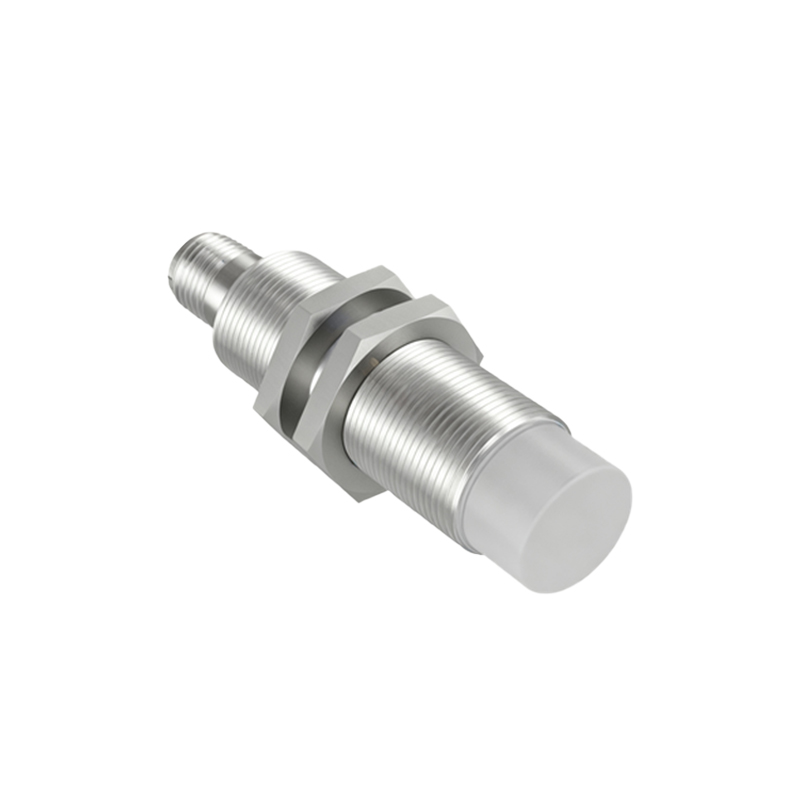
Inductive Sensors: Ideal for detecting metallic objects, utilizing a magnetic field generated by a coil and oscillator.
Capacitive Sensors: Capable of detecting both metallic and non-metallic materials (liquids, plastics, wood) by measuring changes in capacitance.
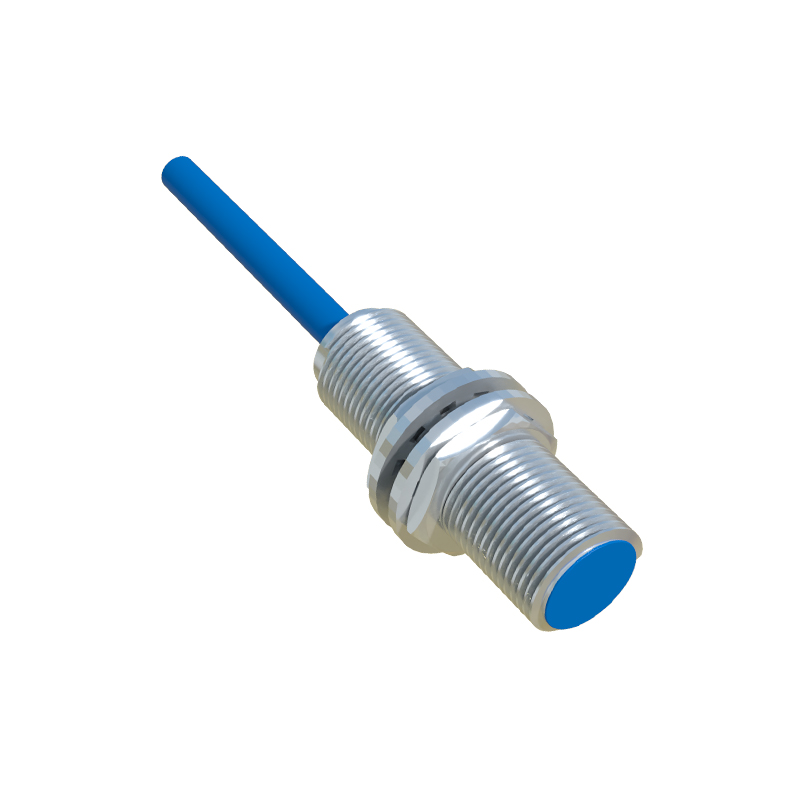
Ultrasonic Sensors: Using sound waves to measure distance to an object, effective for various materials and in challenging environmental conditions like dust or fog.
Photoelectric Sensors: Employing a light beam (visible, infrared, or laser) to detect objects, offering very long sensing ranges in clear air.
The sensor's embedded microprocessor processes the detection event and packages the data. This data packet is then modulated and transmitted via the integrated LPWAN radio module to a central gateway. The gateway aggregates data from numerous sensors and forwards it to a cloud-based or on-premises software platform for visualization, analysis, and integration into larger control systems like SCADA or ERP.
The advantages of deploying these sensors are profound and multi-faceted:
1. Drastic Reduction in Installation Costs: Eliminating conduit, cable trays, and extensive wiring runs significantly lowers material and labor costs, especially in sprawling facilities like tank farms, mining sites, or agricultural fields.
2. Unparalleled Flexibility and Scalability: Sensors can be deployed, relocated, or added to the network with minimal effort, enabling agile adaptation to changing production layouts or process requirements.
3. Access to Remote or Hazardous Areas: They enable condition monitoring of assets in locations where running cables is impractical, dangerous, or prohibitively expensive, such as on moving machinery, rotating parts, or in chemically aggressive environments.
4. Enhanced Predictive Maintenance: Continuous, wireless monitoring of machine components (e.g., detecting the position of a valve, the presence of a pallet, or the level of bulk material) provides rich data streams for predicting failures before they cause downtime.
5. Simplified Integration with IoT Ecosystems: The digital data output seamlessly feeds into IoT platforms, enabling advanced analytics, real-time dashboards, and automated decision-making processes.
Practical applications span virtually every sector:
Smart Manufacturing: Monitoring bin levels, tracking assets on the factory floor, verifying gate or door positions, and ensuring safety perimeters around robots.
Logistics & Warehousing: Inventory management, pallet detection on conveyor systems, and monitoring the status of shipping containers in large yards.
Agriculture: Monitoring equipment status across vast fields, detecting levels in silos, and securing perimeter fences.
Utilities & Infrastructure: Monitoring access to remote substations, detecting water levels in reservoirs, and supervising pipeline valve positions.
When selecting a wireless long-range proximity sensor, engineers must carefully evaluate several key parameters: the required sensing range and technology (inductive, capacitive, etc.), the wireless protocol and its coverage in the deployment area, battery life expectations, the sensor's ingress protection (IP) rating for the environment (dust, water, temperature), and the latency/update rate requirements of the application.
In conclusion, wireless long-range proximity sensors are not merely a convenience but a strategic enabler for Industry 4.0 and large-scale IoT deployments. By breaking the physical constraints of wires and the range limitations of traditional wireless, they empower engineers to instrument the physical world in ways previously unimaginable, driving efficiency, safety, and intelligence across global industries. Their continued evolution, with even lower power profiles and enhanced data security features, promises to further solidify their role as a foundational component of the connected industrial future.