In the world of automation and smart technology, proximity sensors are the silent, unseen workhorses. These devices detect the presence or absence of an object within a specific range without any physical contact. The principle is elegantly simple: the sensor emits a field or a beam of electromagnetic radiation, often infrared light, an inductive electromagnetic field, or capacitive energy, and looks for changes in the field or return signal. The object being detected is often referred to as the sensor's "target.
The core advantage of contactless detection is profound. It eliminates mechanical wear and tear, allows for high-speed operation, and functions reliably in harsh environments where dirt, oil, or moisture would incapacitate a mechanical switch. This makes them indispensable in modern industrial and consumer applications.
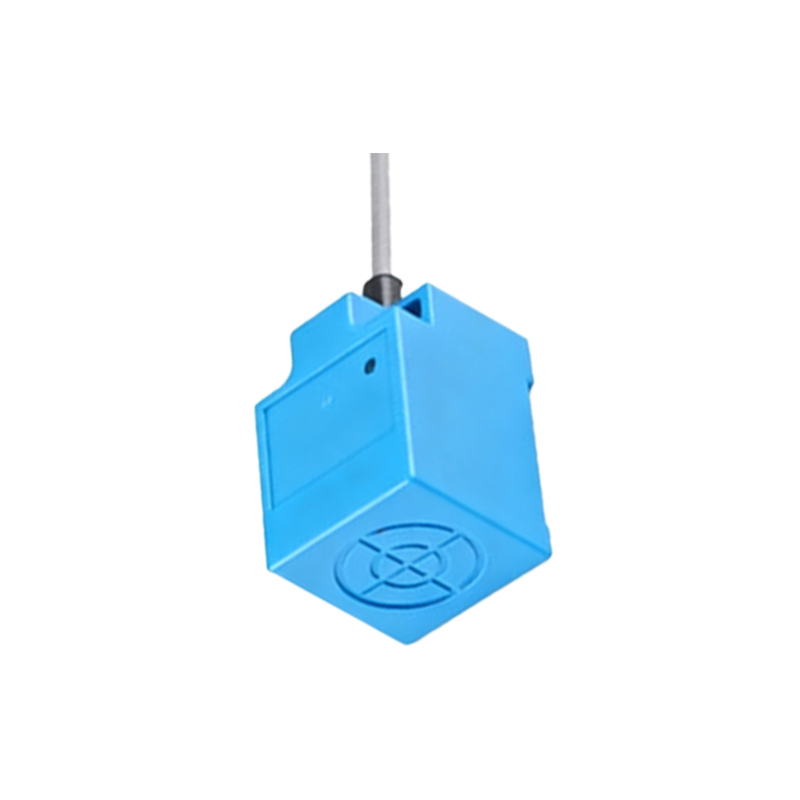
There are several primary types of proximity sensors, each with its own operating principle and ideal use case.
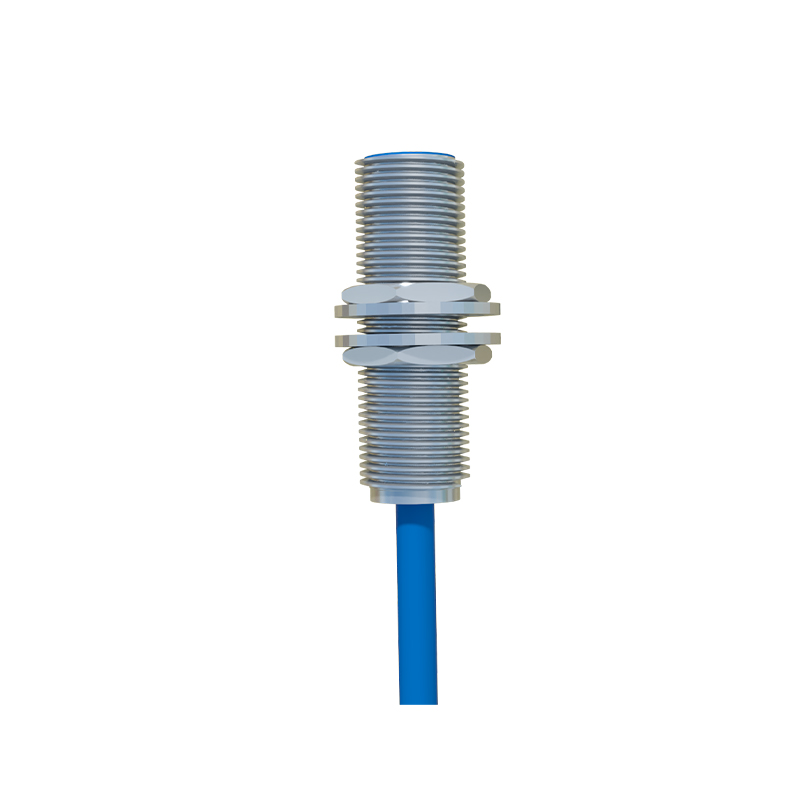
Inductive Proximity Sensors are the stalwarts of metal detection. They generate an oscillating electromagnetic field from a coil. When a metallic target enters this field, it induces eddy currents on the metal's surface, which dampens the oscillation. The sensor detects this damping and triggers a switch. These sensors are robust, precise, and unaffected by non-metallic contaminants like dust or water. You'll find them everywhere on factory floors: counting metal parts on a conveyor belt, verifying the position of a robotic arm, or ensuring a machine door is safely closed before operation begins.
Capacitive Proximity Sensors are more versatile. They can detect both metallic and non-metallic materials—liquids, plastics, wood, or even granular substances. They work by generating an electrostatic field. Any object that enters this field alters the sensor's capacitance, triggering detection. This makes them perfect for applications like monitoring liquid levels in a non-metallic tank, detecting the presence of a glass bottle on a filling line, or serving as a touch-sensitive switch on a control panel.
Photoelectric Sensors operate on a different principle: light. They consist of a light emitter (usually an LED) and a receiver. There are three main configurations. The through-beam type has separate emitter and receiver units; detection occurs when the target breaks the light beam. This offers the longest sensing range. The retro-reflective type uses a single unit and a reflector; the target is detected when it interrupts the light beam reflected back. The diffuse (or proximity) type has the emitter and receiver in one housing and detects the target by the light reflected directly from the target itself. Photoelectric sensors are excellent for long-range detection and can sense virtually any object, but their performance can be affected by environmental factors like ambient light, dust, or color/reflectivity of the target.
Ultrasonic Proximity Sensors use sound waves beyond human hearing. They emit high-frequency sound pulses and measure the time it takes for the echo to return. By calculating this time-of-flight, they can not only detect presence but also precisely measure distance. These sensors are unaffected by color, transparency, or material (though soft materials may absorb sound), making them ideal for challenging applications like detecting clear glass bottles, measuring the height of objects, or controlling the loop of a web in a paper mill.
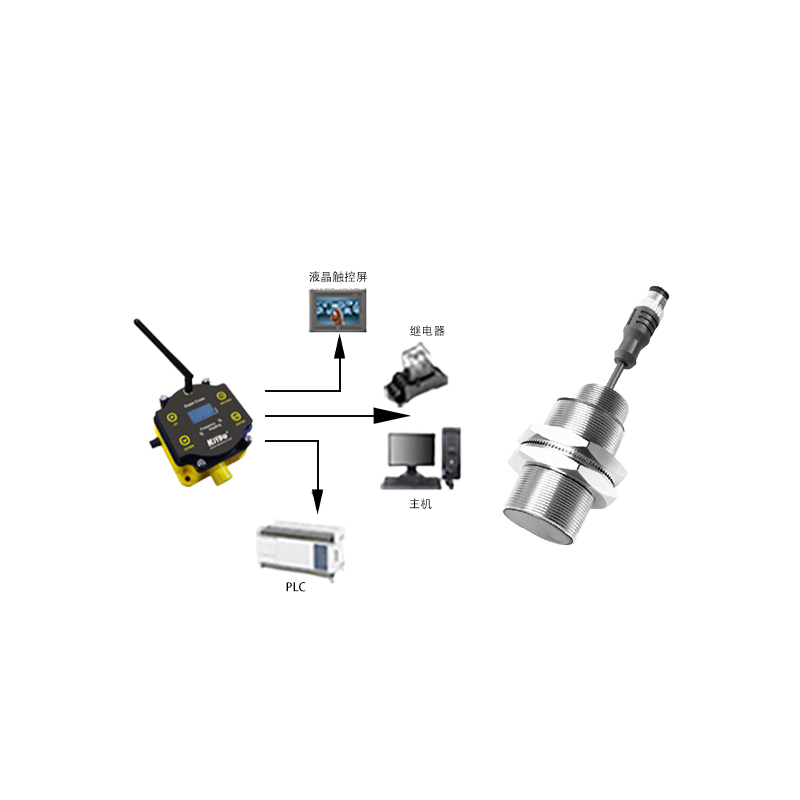
The applications of proximity sensors are vast and growing. In automotive manufacturing, they ensure precision in robotic welding and assembly. In consumer electronics, they deactivate a smartphone's touchscreen when held to the ear during a call, saving power and preventing accidental inputs. In the food and beverage industry, capacitive sensors monitor fill levels, while inductive sensors verify metal lids are in place. In security systems, they form invisible barriers. In modern home appliances, they enable touchless faucets and automatic soap dispensers, promoting hygiene.
When selecting a proximity sensor, engineers must consider several factors: the nature of the target material, the required sensing distance, the operating environment (temperature, potential contaminants), the required output signal type (digital or analog), and the necessary response speed. Proper installation is also critical, as metallic surroundings or sensor-to-sensor interference can affect performance.
From streamlining complex industrial processes to adding a layer of intuitive convenience to everyday devices, proximity sensors are a foundational technology. Their ability to provide reliable, non-contact feedback is a key enabler of efficiency, safety, and innovation across countless sectors. As the Internet of Things and Industry 4.0 continue to evolve, the role of these sophisticated yet humble components will only become more central, making the invisible act of detection more valuable than ever.