In the realm of industrial automation, robotics, and precise measurement, the two-dimensional (2D) laser scanning sensor stands as a pivotal technology. Unlike its single-point or one-dimensional counterparts, a 2D laser scanner captures a complete profile of an object or environment in a single sweep, generating a dense cloud of data points that form a precise cross-sectional slice. This capability has revolutionized processes requiring non-contact inspection, dimensional analysis, and spatial awareness.
At its core, a 2D laser scanner operates on the principle of triangulation or time-of-flight measurement. In the more common triangulation method, a laser emitter projects a visible or invisible line of light onto a target surface. A receiver, typically a high-resolution CMOS or CCD sensor, is positioned at a known angle to the emitter. The deformation of this laser line as it strikes the object's surface is captured by the receiver. Sophisticated onboard processors then calculate the precise distance to each point along the line using trigonometric principles, outputting a set of X and Z coordinates that define the object's profile in the scanner's field of view. Time-of-flight models measure the phase shift or direct flight time of a pulsed laser dot rapidly scanned across a line, offering advantages for longer ranges.
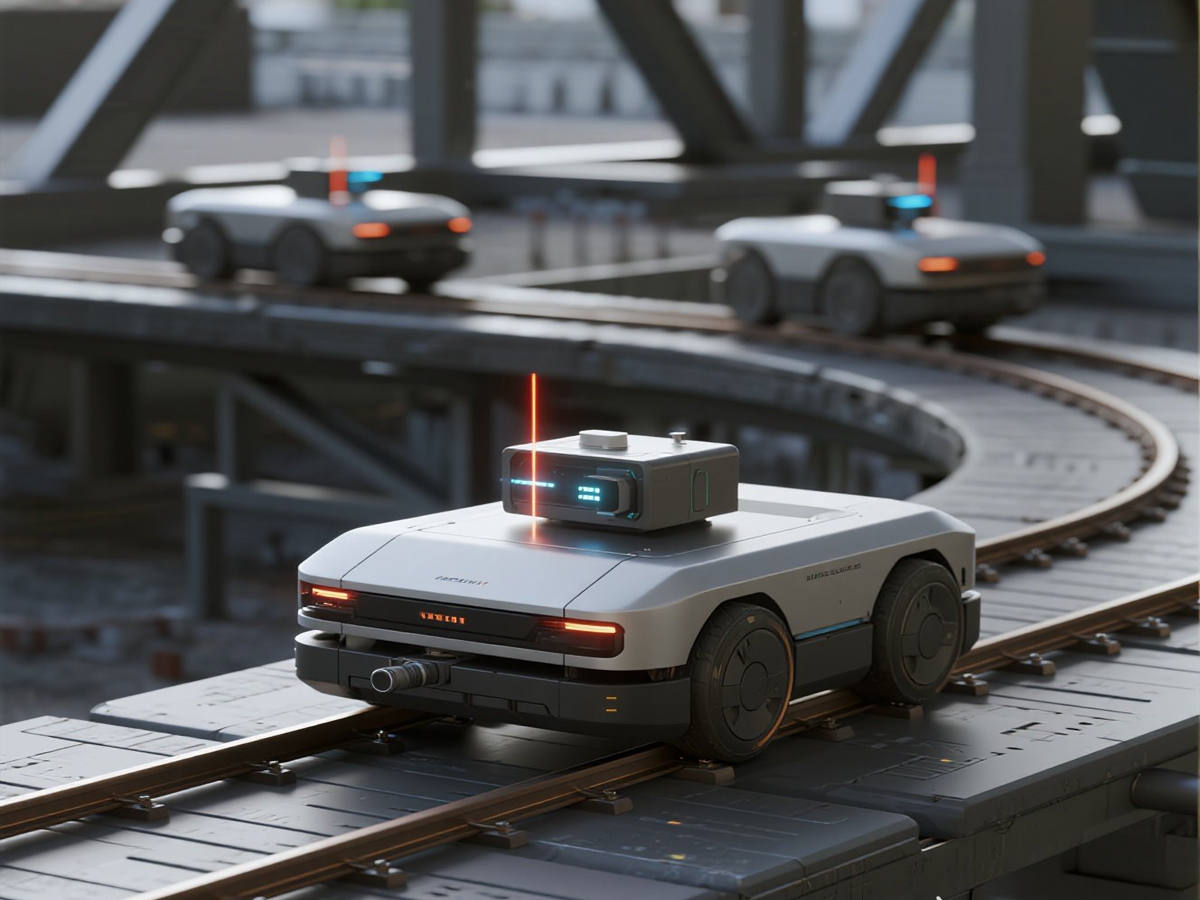
The applications for 2D laser scanning sensors are vast and varied. In manufacturing, they are indispensable for inline quality control, performing tasks such as weld seam inspection, gap and flush measurement on automotive assemblies, and verifying the dimensions of extruded profiles or rolled goods. They guide robotic arms for precise bin picking, where a robot must identify and grasp randomly oriented parts from a container. In logistics, these sensors mounted on Automated Guided Vehicles (AGVs) and Autonomous Mobile Robots (AMRs) provide essential navigation and obstacle detection, creating real-time maps of their surroundings. Furthermore, they are used for volume measurement in warehouses, palletizing, and even in forestry for log scanning.
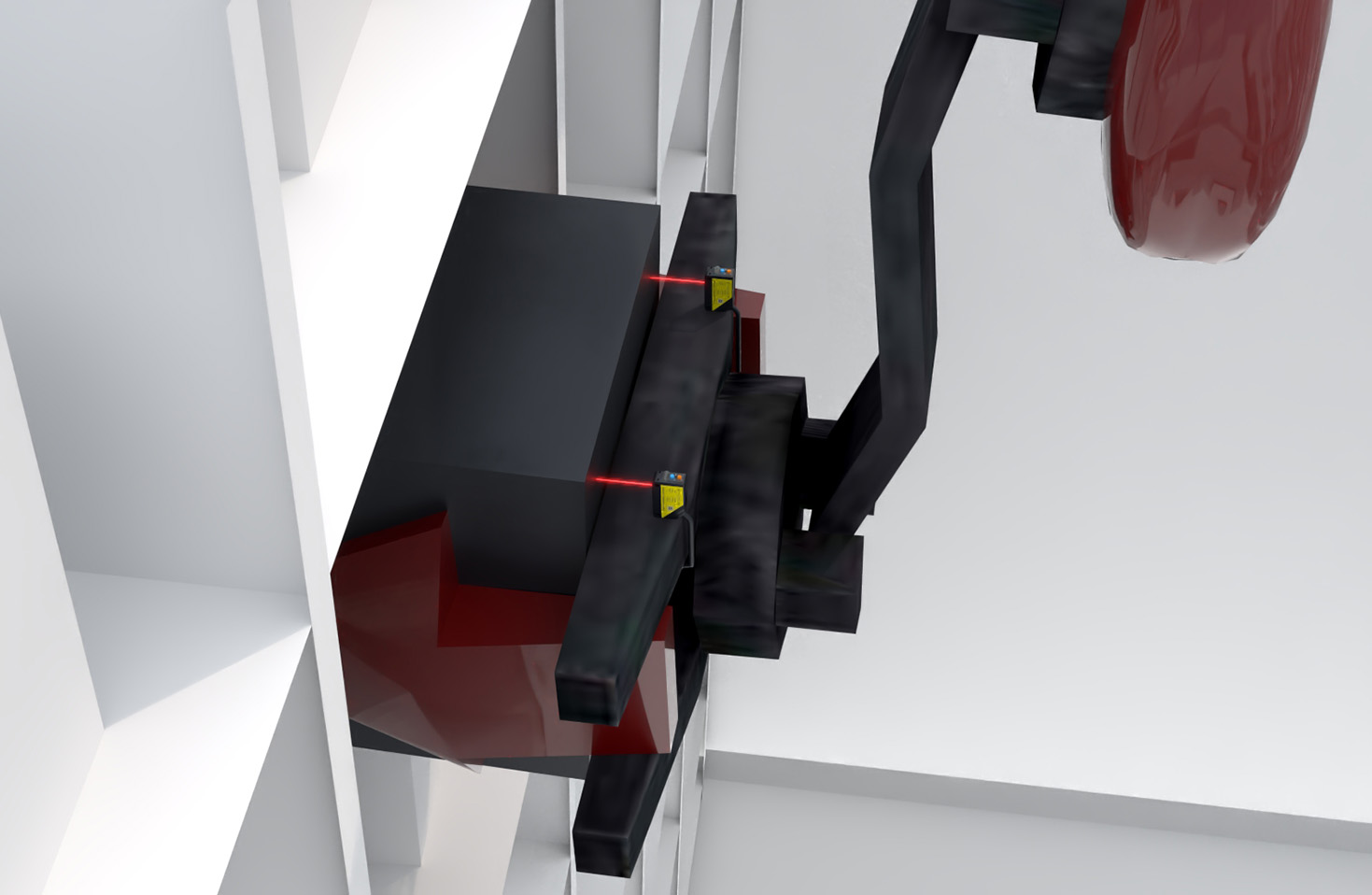
Selecting the right 2D laser scanner requires careful consideration of several key parameters. The measuring range and field of view define the spatial window the sensor can cover. Resolution and accuracy are critical; resolution refers to the smallest detectable change in position, while accuracy indicates how close the measurement is to the true value. Scanning frequency, measured in Hertz (Hz), determines how many profiles per second the sensor can capture, which is vital for high-speed production lines. Environmental factors cannot be ignored; robust Ingress Protection (IP) ratings are necessary for dusty, humid, or washdown environments typical in food and beverage or pharmaceutical industries. The choice of interface—common options include Ethernet/IP, PROFINET, EtherCAT, or analog outputs—must align with the existing control system architecture.
Modern advancements continue to push the boundaries of this technology. Sensors are becoming smaller, more energy-efficient, and more intelligent. Integration of onboard processing allows for edge computing, where basic evaluation and filtering of point cloud data occur within the sensor itself, reducing the load on central PLCs or PCs. Enhanced algorithms improve performance on challenging surfaces, such as shiny metals or dark, absorbent materials, which traditionally posed difficulties for optical sensors.
Despite their power, users must be aware of limitations. Extreme ambient light, particularly direct sunlight, can interfere with the laser line. Very transparent objects (like glass) or highly specular surfaces may return unreliable data unless specialized models are used. Regular calibration is essential to maintain long-term accuracy.
In conclusion, the 2D laser scanning sensor is a versatile and powerful tool that translates physical contours into actionable digital data. Its role in enabling automation, ensuring quality, and providing machine vision is foundational. By understanding its operating principles, broad application spectrum, and key selection criteria, engineers and system integrators can effectively harness this technology to drive efficiency, precision, and innovation across countless industries. As the demand for smarter automation grows, the evolution of 2D laser scanning will undoubtedly continue, offering even greater capabilities for the factories and systems of the future.
