In the realm of industrial automation and environmental monitoring, river-use proximity sensors play a pivotal role. These specialized devices are engineered to detect the presence or absence of objects, monitor water levels, control gates, or measure flow rates in riverine and aquatic environments. Unlike standard industrial sensors, they are built to withstand harsh conditions including moisture, temperature fluctuations, silt, and biological fouling. For procurement specialists and project engineers, understanding the price determinants of these sensors is crucial for accurate budgeting and system design.
The price spectrum for river-use proximity sensors is broad, typically ranging from $150 to $2,500 per unit, with some highly specialized systems exceeding this range. This variance is not arbitrary but is directly tied to several core technical and application-specific factors.
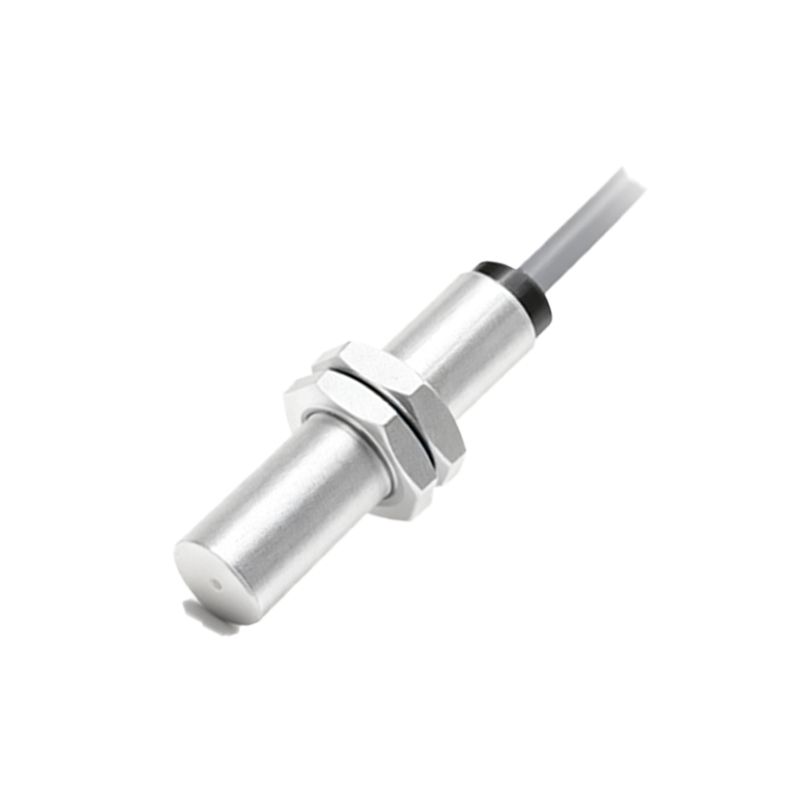
First and foremost, the sensing technology is a primary cost driver. Inductive sensors, used for detecting metallic objects like gates or machinery components near water, are generally on the lower end of the price scale. Capacitive sensors, capable of detecting both metallic and non-metallic materials (useful for monitoring debris or water presence itself), tend to be moderately priced. Ultrasonic and radar level sensors, which are non-contact and ideal for continuous level monitoring in rivers or reservoirs, represent the higher end due to their complex electronics and signal processing capabilities. Laser-based sensors offer high precision for specific applications but command a premium price.
The second major factor is the ingress protection (IP) rating and housing material. A sensor destined for permanent submersion or constant splash zones requires a robust housing, typically from marine-grade stainless steel (e.g., 316L) or specialized polymers. Achieving high IP ratings like IP68 or IP69K (for high-pressure, high-temperature washdown) involves sophisticated sealing techniques, which significantly increases manufacturing costs compared to a sensor with a standard IP67 rating for occasional wet conditions.
Third, performance specifications directly influence price. Sensing range, measurement accuracy, response time, and output signal type (analog 4-20mA, digital IO-Link, or wireless protocols like LoRaWAN) are key differentiators. A sensor with a 30-meter range, ±1mm accuracy, and IO-Link diagnostic capabilities will be substantially more expensive than a basic 5-meter range unit with a simple PNP/NPN output. Long-range, high-accuracy models incorporate more advanced transducers and microprocessors.
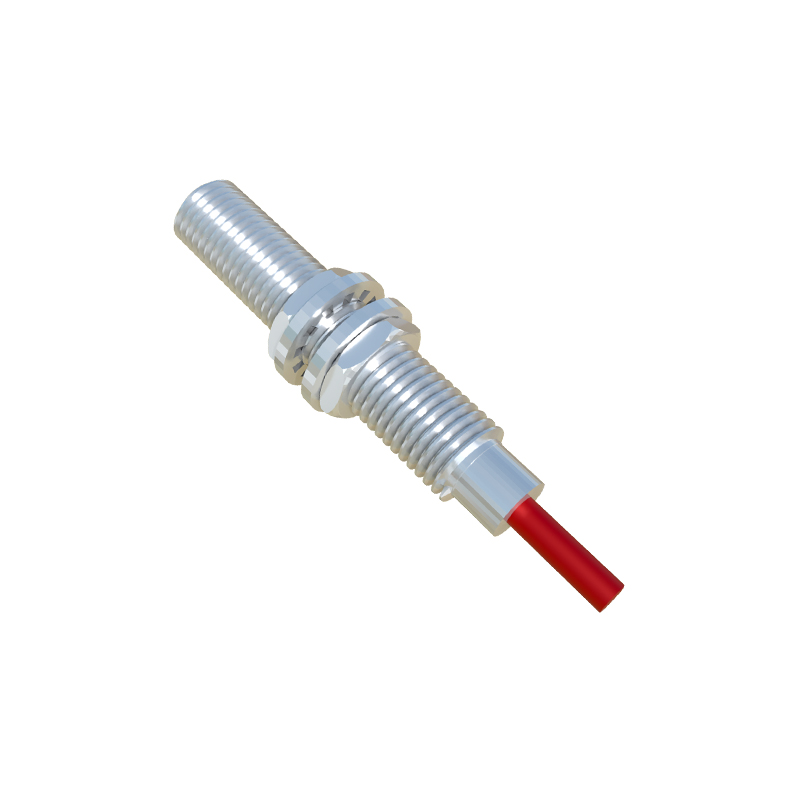
Fourth, certifications and compliance add to the cost. Sensors used in regulated environments or critical infrastructure may require certifications such as ATEX/IECEx for hazardous areas, SIL (Safety Integrity Level) ratings for functional safety, or specific approvals from water authorities. The process of testing and certifying these products is resource-intensive, a cost passed on to the buyer.
Fifth, the brand and supply chain play a role. Established manufacturers with proven reliability records and extensive global support networks often price their products higher. This premium covers research and development, quality assurance, and after-sales service. Conversely, generic or lesser-known brands may offer lower upfront costs but could pose risks regarding long-term reliability, spare parts availability, and technical support.
Additional features like integrated temperature compensation, self-cleaning functions, advanced diagnostics, and custom cable lengths also contribute to the final price. Furthermore, the total cost of ownership extends beyond the unit price. Consideration must be given to installation accessories (mounting brackets, guards), calibration, maintenance schedules, and expected lifespan. A more expensive, durable sensor with minimal maintenance needs can offer a better return on investment than a cheaper alternative requiring frequent replacement or recalibration.
In conclusion, evaluating the price of a river-use proximity sensor demands a holistic view of the application's technical requirements and operational environment. Specifiers should prioritize defining the necessary performance, environmental resilience, and connectivity needs before comparing prices. Engaging with reputable suppliers for detailed quotations and lifecycle cost analysis is a recommended practice to ensure the selected sensor provides both technical efficacy and economic value over its operational lifetime.