Inductive proximity sensor integrated circuits (ICs) represent a cornerstone technology in industrial automation, enabling non-contact detection of metallic objects with exceptional reliability and precision. These specialized semiconductor devices function by generating an oscillating electromagnetic field via a built-in coil and oscillator circuit. When a metallic target enters this field, eddy currents are induced within the target, causing a measurable change in the oscillation amplitude or frequency within the sensor's LC tank circuit. The core IC is engineered to detect this minute change, process the signal, and provide a clean, digital output signal to the control system.
The architecture of a modern inductive proximity sensor IC is a sophisticated blend of analog and digital design. Key internal blocks typically include a high-frequency oscillator, a signal demodulator, a Schmitt trigger for hysteresis, and output drivers. Advanced versions incorporate additional features like programmable sensing distance, temperature compensation, and short-circuit protection. The oscillator, often operating in the range of hundreds of kHz to several MHz, drives the external sensing coil. The demodulator converts the amplitude change into a DC voltage level. This level is then compared against a predefined threshold by the trigger circuit, which ensures a stable output switch even in the presence of electrical noise or minor target vibrations—a critical feature for harsh industrial environments.
Performance is quantified by several key parameters. Sensing distance, a primary specification, depends on the IC's sensitivity, coil design, and target material (with factors for different metals like steel, aluminum, or brass). Repeat accuracy, often in the micron range, defines the sensor's consistency. Switching frequency determines how quickly the sensor can detect passing objects, which is vital for high-speed counting or positioning applications. Robustness is another hallmark; these ICs are designed to withstand voltage transients, electromagnetic interference (EMI), and wide operating temperature ranges from -40°C to 125°C, making them suitable for automotive, packaging, material handling, and machine tool industries.
Recent innovations focus on miniaturization, reduced power consumption, and enhanced intelligence. Newer ICs integrate diagnostic functions such as coil break detection, overload indication, and output status monitoring, facilitating predictive maintenance and Industry 4.0 connectivity. The trend towards 3D coils and specialized packaging allows for smaller sensor form factors without sacrificing performance. Furthermore, the development of low-power IC variants is enabling their use in battery-operated portable equipment and IoT-enabled devices.
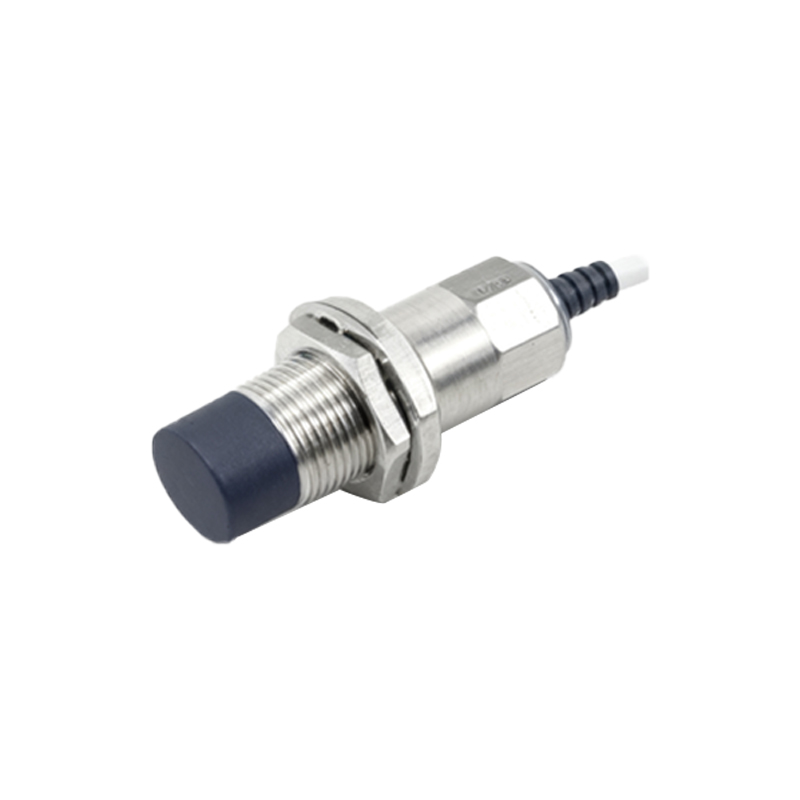
Selecting the right inductive sensor IC requires careful analysis of the application. Engineers must consider the target metal's properties, required sensing range, environmental conditions (presence of dust, coolant, or other metals), electrical interface (NPN/PNP, NO/NC), and supply voltage. A mismatch can lead to unreliable operation. For instance, a sensor tuned for ferrous metals may have a significantly reduced range for aluminum. Similarly, an IC without sufficient noise immunity may malfunction near large motors or variable frequency drives.
In conclusion, inductive proximity sensor ICs are indispensable components that translate a physical phenomenon into a reliable electrical command. Their continuous evolution in integration, smart features, and ruggedness directly fuels advancements in automated manufacturing, robotics, and smart systems. By understanding their operational principles and specifications, design engineers can effectively harness this technology to build more efficient, reliable, and intelligent automated solutions.