In the world of industrial automation and smart devices, the ability to detect objects without physical contact is a fundamental requirement. Among the various non-contact sensing technologies, capacitive proximity switches stand out for their unique capabilities and versatility. Unlike their inductive counterparts that only detect metals, capacitive sensors can detect a wide range of materials, including liquids, plastics, wood, and even granular substances through non-metallic containers. This makes them an indispensable tool in countless applications.
The core operating principle of a capacitive proximity sensor is based on the concept of capacitance—the ability of a system to store an electrical charge. The sensor essentially forms one plate of a capacitor, with the target object acting as the other plate. The sensor generates an electrostatic field from its sensing face. When a target enters this field, it causes a change in the capacitance of the system. The sensor's internal oscillator circuit detects this change. Once the change exceeds a predetermined threshold level, the sensor's output state switches, sending a signal to the connected control system, such as a PLC. This entire process happens without any physical contact, ensuring no wear and tear on the sensor or the target.
A key feature of these sensors is their adjustable sensitivity, often via a potentiometer. This allows engineers to fine-tune the sensing distance and ignore interfering background materials, such as a container wall. The nominal sensing range, typically from a few millimeters up to about 25 millimeters for standard models, is specified for a defined target, usually a grounded metal square. It's crucial to remember that the actual sensing distance can vary significantly with different materials. For instance, while a sensor might have a 10mm range for steel, the range for water or plastic could be less due to their different dielectric constants.
The applications for capacitive proximity sensors are remarkably diverse. In packaging and food processing, they reliably detect levels of liquids, powders, or flakes inside non-metallic tanks and bottles, preventing overfills or shortages. In woodworking and plastics manufacturing, they sense the presence of raw materials or finished products on conveyor belts. They are used in assembly lines to verify the presence of adhesive or sealant. A common everyday application is in touch-sensitive buttons on elevator panels or consumer appliances, where a finger's proximity alters the capacitance. Furthermore, they can detect the fill level of materials in glass or plastic containers, making them ideal for pharmaceutical and chemical industries.
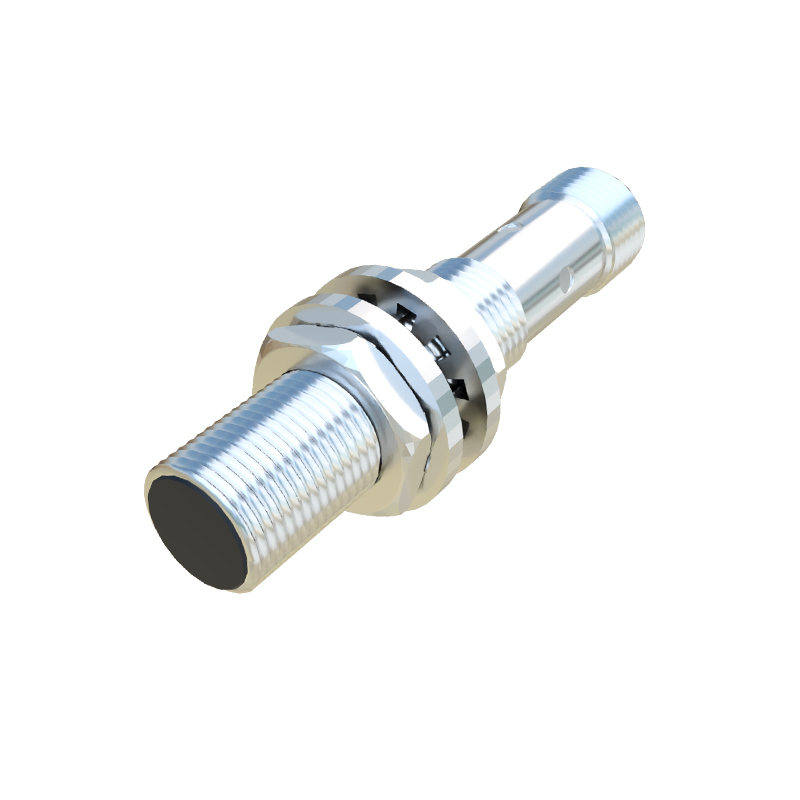
Selecting the right capacitive sensor requires careful consideration of several factors. First, identify the target material and its properties. The sensor must be rated for the specific dielectric constant of the target. Next, consider the required sensing distance and the installation environment. Will it be exposed to dust, moisture, or temperature extremes? Sensors are available with various ingress protection (IP) ratings, such as IP67, for harsh conditions. The housing material is also important; stainless steel housings offer durability for washdown areas in food plants, while PBT plastic housings are suitable for general purposes. Output type is another critical choice: PNP (sourcing) or NPN (sinking) transistor outputs are standard, and some models offer analog outputs (4-20mA or 0-10V) for continuous distance or level measurement. Finally, the electrical connection style—pre-wired cable, quick-disconnect, or terminal block—should match the installation's maintenance needs.
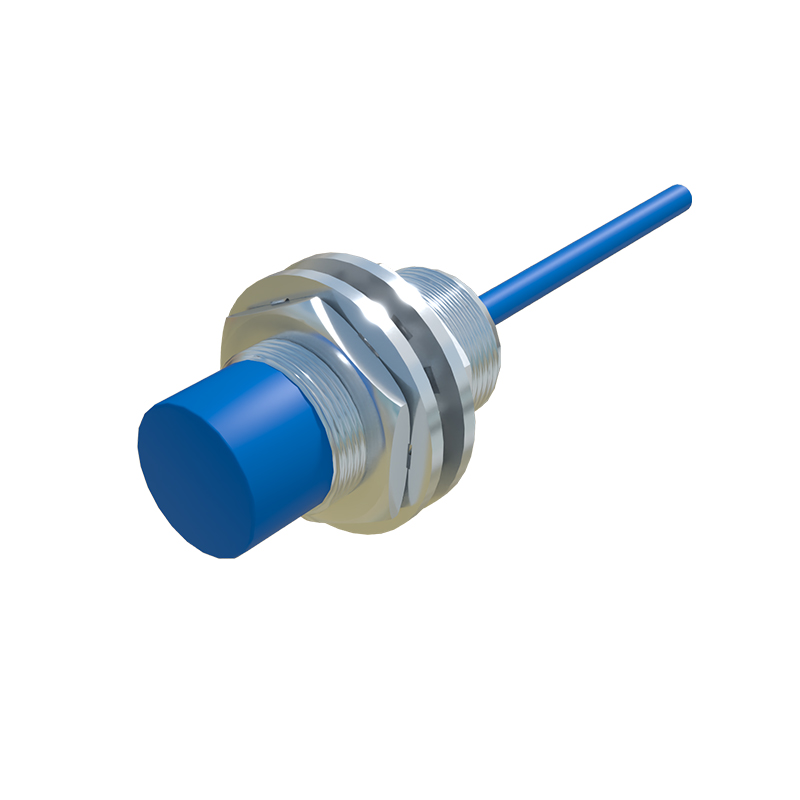
For reliable operation, proper installation and commissioning are vital. Mount the sensor securely, ensuring the sensing face is clear of obstructions. Use the sensitivity adjustment to set the optimal point: trigger on the desired target while ignoring the background. Always consult the manufacturer's datasheet for specific mounting recommendations, as embedding the sensor in metal (flush mounting) can reduce its effective sensing range. Regular maintenance involves checking for buildup of material on the sensing face, which can cause false triggering, and ensuring electrical connections remain tight.
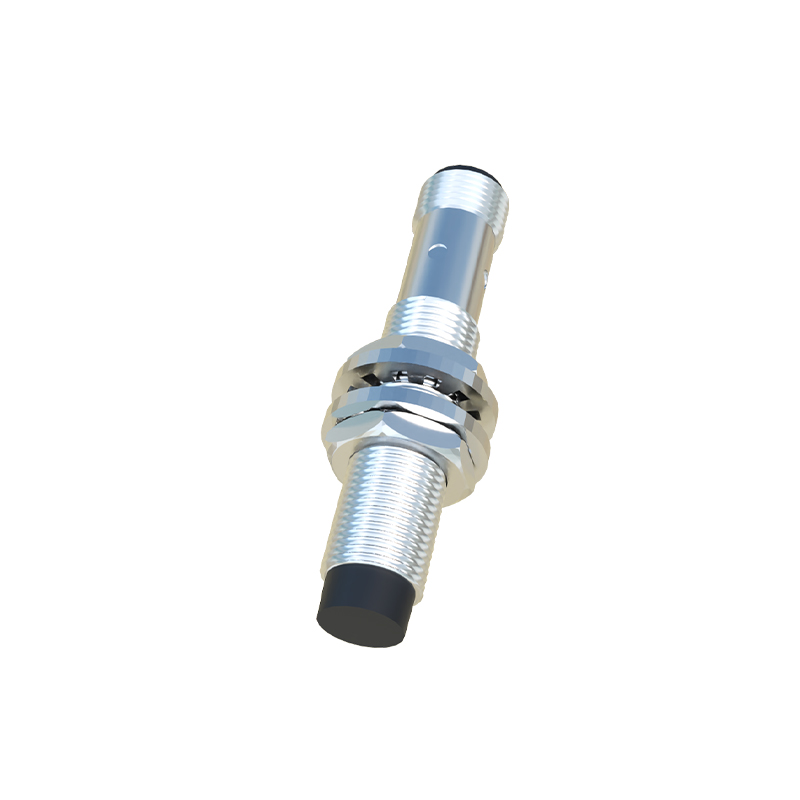
In conclusion, capacitive proximity sensors offer a robust and flexible solution for non-contact detection challenges across a vast spectrum of industries. Their ability to sense almost any material through non-metallic barriers unlocks possibilities that other sensor types cannot address. By understanding their operating principle, key specifications, and application requirements, engineers and technicians can effectively integrate these powerful devices to enhance automation, improve process control, and increase system reliability. As technology advances, we see the development of miniaturized sensors, IO-Link enabled models for digital parameterization and diagnostics, and enhanced designs for challenging environments, ensuring their role remains critical in the evolving landscape of industrial sensing.