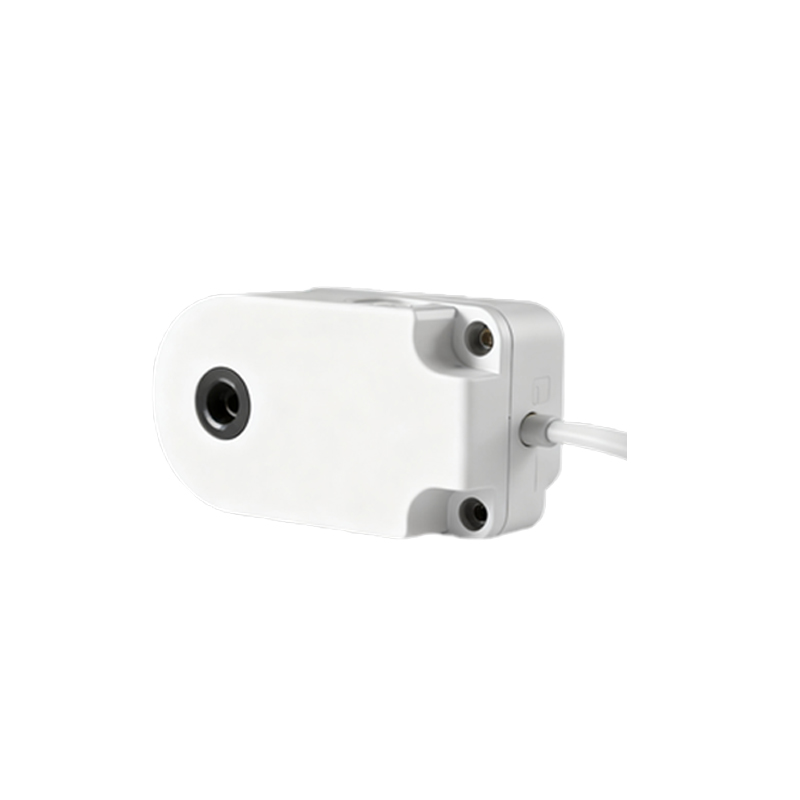
Proximity sensors are essential components in modern automation and measurement systems, providing non-contact detection of objects within a specified range. Accurate calibration of these sensors is critical to ensure reliable performance, minimize errors, and maintain consistency in industrial, automotive, and consumer applications. This article explores fundamental calibration techniques, practical implementation steps, and best practices for achieving optimal sensor accuracy.
Calibration involves adjusting the sensor's output to match known reference values, compensating for environmental factors, component aging, and manufacturing tolerances. The process typically requires standardized targets, precise positioning equipment, and controlled environmental conditions to eliminate external variables. Common calibration methods include distance-based calibration, sensitivity adjustment, and threshold setting, each suited to specific sensor types such as inductive, capacitive, ultrasonic, or optical variants.
Distance-based calibration is widely used for sensors measuring linear or angular displacement. A calibrated target is moved incrementally through the sensor's detection range while recording output signals. Data points are plotted to create a transfer function, which may be linearized or compensated using software algorithms. For analog sensors, this often involves adjusting zero and span settings to align the minimum and maximum outputs with physical limits. Digital sensors may utilize lookup tables or polynomial correction curves stored in memory.
Sensitivity calibration focuses on the sensor's response to material properties or surface characteristics. Inductive sensors, for example, require calibration for different metals, as magnetic permeability affects detection range. This is done by testing with reference materials and adjusting gain parameters to normalize output. Capacitive sensors similarly need tuning for dielectric constants of target materials, often involving threshold adjustments to avoid false triggers from humidity or contamination.
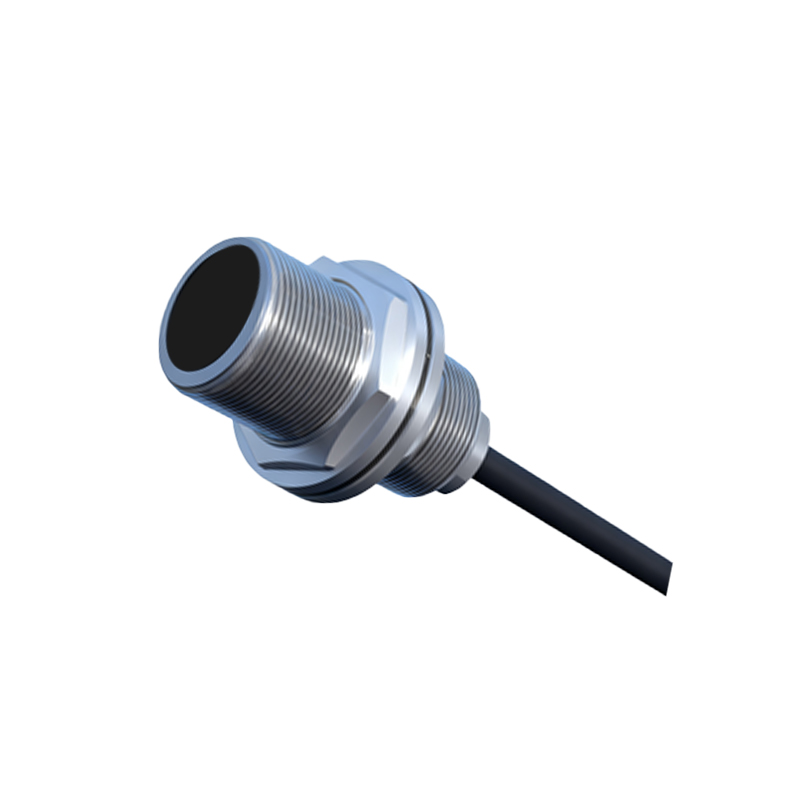
Environmental compensation is another key aspect, particularly for sensors deployed in variable temperatures or harsh conditions. Temperature drift can significantly alter output, necessitating integrated temperature sensors and correction algorithms. Some advanced proximity sensors include auto-calibration features that periodically recalibrate based on internal references or user-initiated routines.
Practical calibration setups often involve automated stations with robotic actuators to ensure repeatability. For high-precision applications, laser interferometers or precision gauge blocks serve as references. Field calibration kits are also available, allowing technicians to perform on-site adjustments using portable targets and readout instruments. Documentation of calibration results, including certificates of traceability to national standards, is essential for quality assurance and audit compliance.
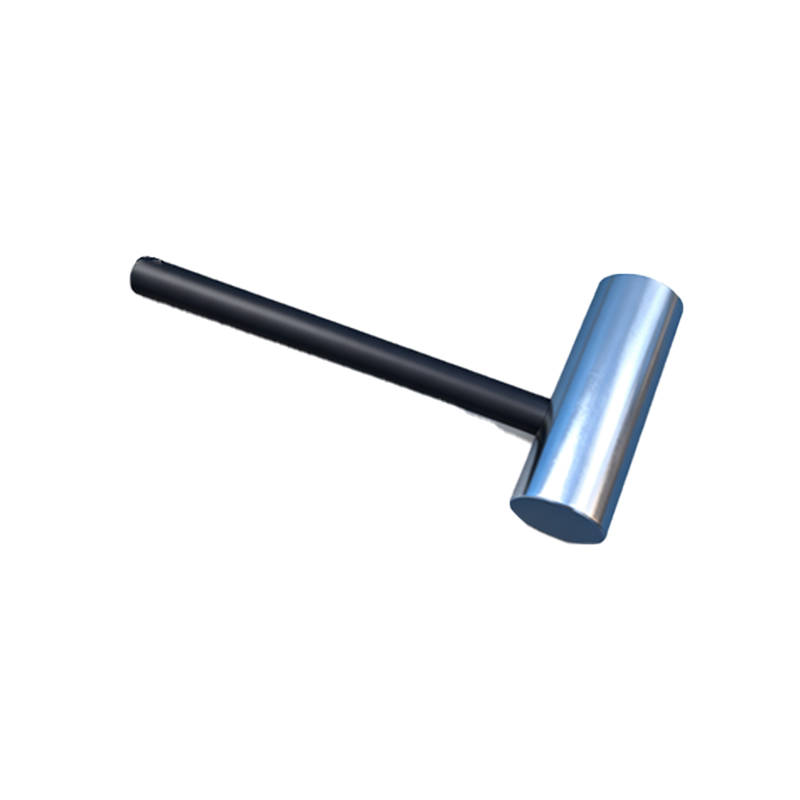
Regular recalibration schedules should be established based on manufacturer recommendations and operational criticality. Factors such as mechanical shock, contamination, or electrical noise may necessitate unscheduled calibration. Implementing statistical process control (SPC) methods can help monitor sensor drift over time, predicting maintenance needs before accuracy degrades beyond acceptable limits.
In summary, effective proximity sensor calibration combines appropriate methodology, precise tools, and systematic documentation. By understanding the principles outlined here, engineers and technicians can enhance system reliability, reduce downtime, and ensure measurements align with international standards. As sensor technology evolves, trends like IoT-enabled self-diagnosis and cloud-based calibration management are set to further streamline these processes.