In the sleek, glass-and-metal rectangles we carry in our pockets, dozens of tiny, sophisticated components work in concert to create a seamless user experience. Among the most crucial, yet often overlooked, is the proximity sensor. This unassuming piece of technology plays a vital role in the daily functionality and longevity of your smartphone.
At its core, a proximity sensor is a small electronic device that detects the presence of nearby objects without any physical contact. In smartphones, it typically uses an infrared (IR) LED and an IR light detector. The principle is straightforward: the IR LED emits an invisible beam of infrared light. If an object is close enough, this light reflects back and is picked up by the detector. The phone's software then interprets this signal and triggers a predefined action.
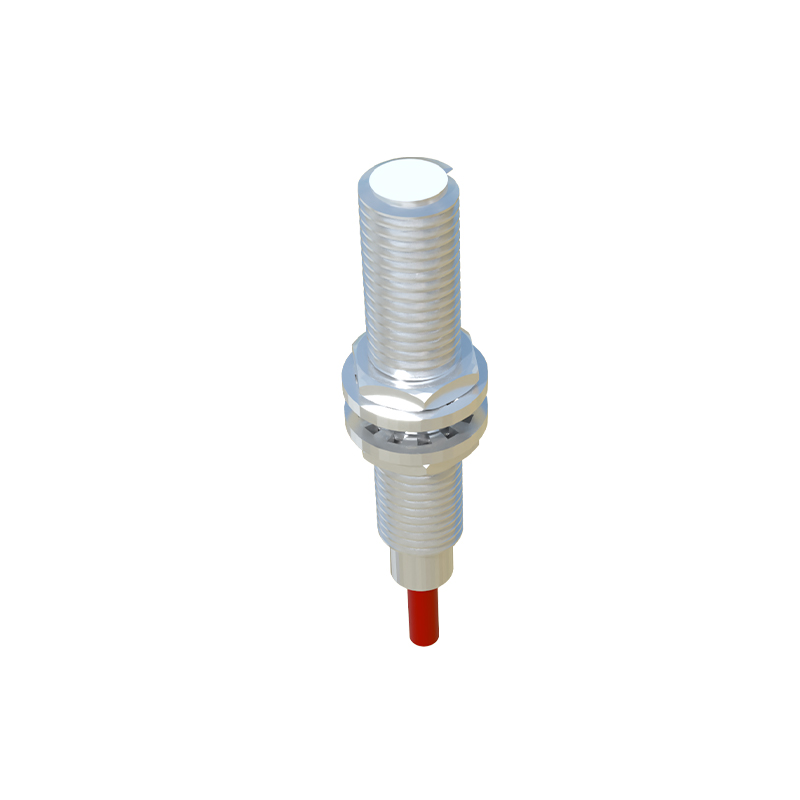
The most immediate and common application is during phone calls. When you raise the phone to your ear, the proximity sensor detects your cheek or ear and automatically turns off the touchscreen display. This serves multiple critical purposes. First, it prevents accidental touch inputs from your face—like muting the call, pressing the keypad, or even hanging up. Second, and equally important, it conserves battery power by deactivating the power-hungry display while it's not needed. This simple automation is fundamental to a frustration-free calling experience.
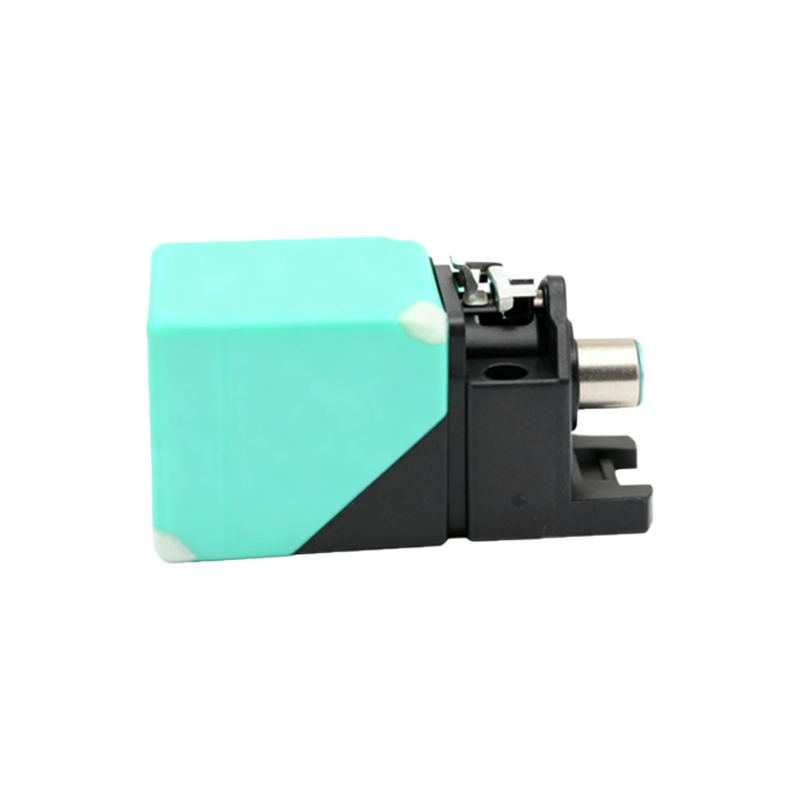
Beyond calls, the functionality of proximity sensors has expanded. They are integral to modern "Raise to Wake" or "Lift to Check Phone" features. Here, the sensor works with the accelerometer to detect when the phone is picked up, prompting the display to show the lock screen or notifications without requiring a button press. This provides quick, glanceable information with intuitive, natural movement.
Another significant application is in preventing accidental activation in pockets or bags. By constantly monitoring the ambient environment, the sensor can keep the display locked if it detects darkness and close proximity, ensuring the phone doesn't dial numbers or launch apps from inside your pocket. This protects both your privacy and your battery life.
The technology also enables more advanced interactions. Some devices use proximity sensors for simple gesture controls, like silencing an alarm or pausing media playback by waving a hand over the screen. In the era of bezel-less displays, the sensor's role has become even more challenging and essential. Manufacturers now embed them under the screen or in the thin bezels, using more advanced optical or time-of-flight (ToF) sensors to maintain accuracy without compromising design.
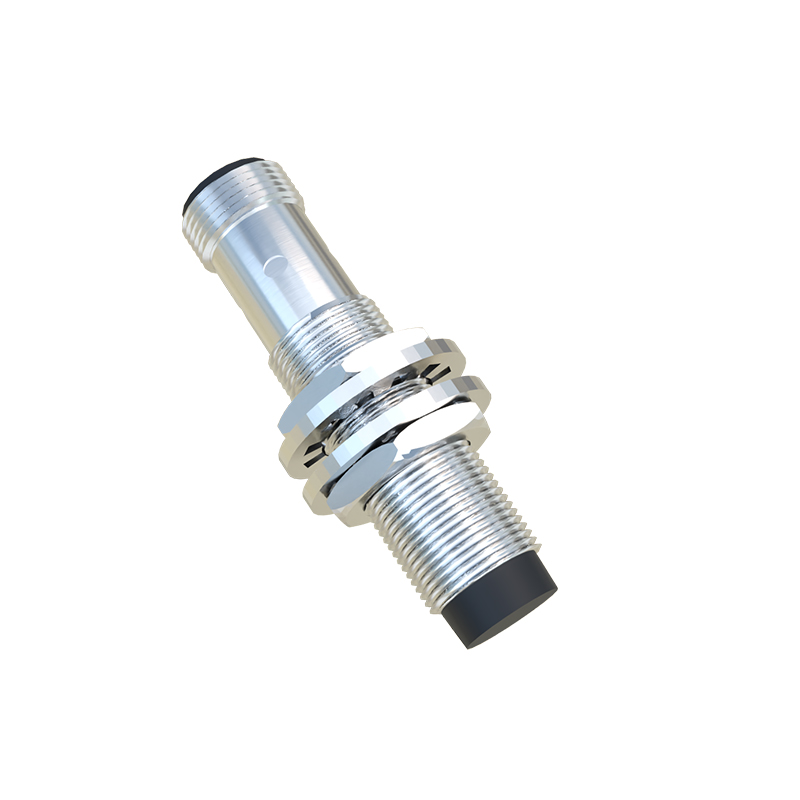
Furthermore, proximity sensors contribute to device durability. By turning off the display when close to your ear, they reduce unnecessary screen-on time, contributing marginally to reducing OLED burn-in over the device's lifespan. They also play a part in system thermals; a deactivated screen generates less heat during long calls.
From a user perspective, the magic of the proximity sensor lies in its invisibility. It works silently in the background, anticipating needs and preventing errors. Its reliability is such that users only notice it when it malfunctions—experiencing a bright screen against their ear or accidental screen touches during a call. These failures highlight how indispensable this tiny component has become.
In summary, the proximity sensor is a cornerstone of smartphone ergonomics and efficiency. It bridges the gap between the physical act of using a phone and its digital interface, enabling interactions that feel intuitive and intelligent. As smartphones continue to evolve, the underlying principles of this sensor will remain critical, even as its form and integrated capabilities advance, ensuring our devices are not just powerful, but also polite and power-efficient companions in our daily lives.