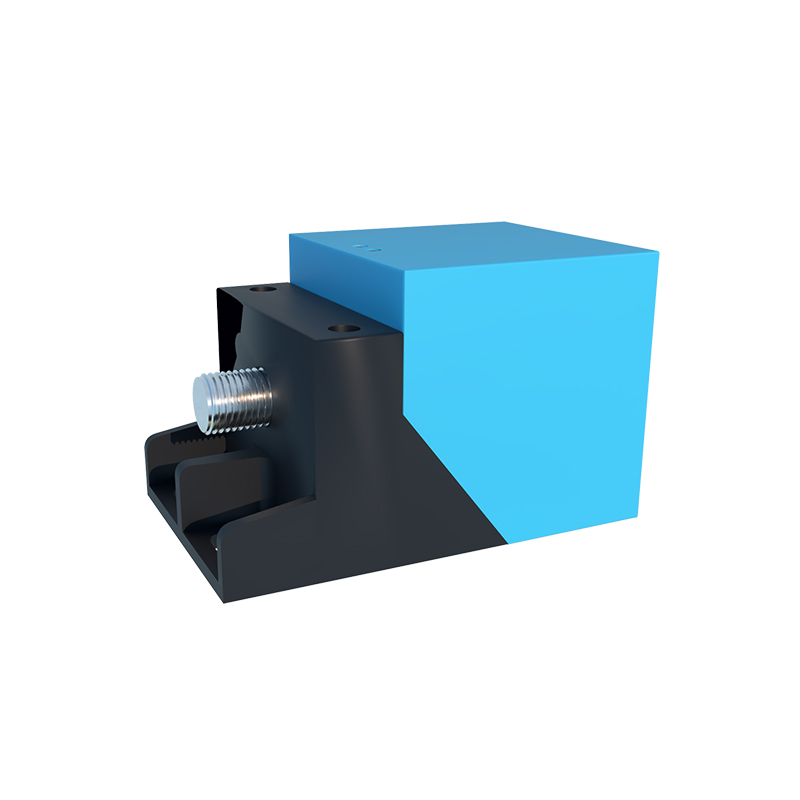
In the complex and demanding world of industrial automation and machinery, the ability to detect the presence, absence, or position of an object without physical contact is fundamental. This critical task falls to a specialized class of devices known as engineering-grade or industrial proximity sensors. Far removed from the simple sensors found in consumer electronics, these robust components are engineered for precision, durability, and unwavering reliability in harsh environments. Their operation is silent, swift, and contactless, making them indispensable for enhancing efficiency, ensuring safety, and enabling sophisticated control systems across countless applications.
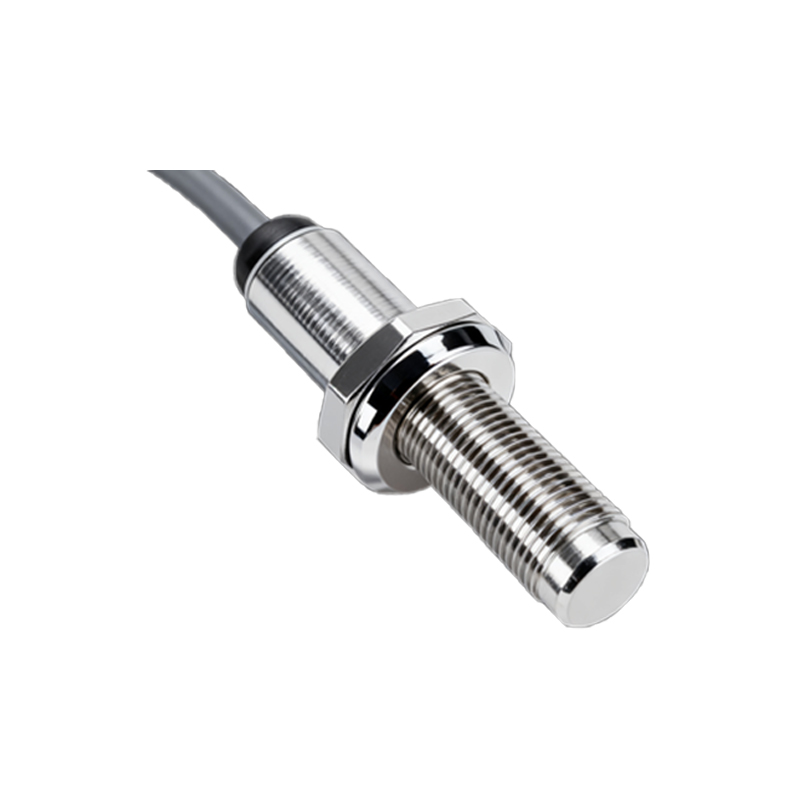
At their core, proximity sensors work by emitting a field or beam of electromagnetic radiation, such as an inductive magnetic field, capacitive electrostatic field, or ultrasonic sound waves. The sensor then detects changes in this field caused by the approach of a target object. The choice of sensing technology is paramount and depends entirely on the application's specific requirements. Inductive sensors are the workhorses of metal detection. They generate an oscillating electromagnetic field and react when a metallic object enters this field, inducing eddy currents that dampen the oscillation. Renowned for their exceptional durability, high switching frequency, and immunity to environmental contaminants like dust, oil, or coolant, they are ideal for detecting pistons, gears, or machine tool positions.
For non-metallic materials—liquids, plastics, wood, glass, or granular substances—capacitive sensors are the solution. These sensors can detect virtually any material by measuring changes in capacitance. When an object nears the active face of the sensor, it alters the dielectric constant of the surrounding space, triggering a switch. This makes them perfect for level detection in tanks, monitoring material presence on conveyor belts, or detecting filled containers. Ultrasonic sensors, which measure the time-of-flight of sound waves, excel at precise distance measurement and can detect objects of almost any material, even in challenging conditions with dust or light fog, though they can be sensitive to temperature variations and sound-absorbing materials.
The designation "engineering-grade" signifies a suite of characteristics that differentiate these sensors from commercial variants. First is exceptional environmental robustness. Industrial sensors are typically housed in solid stainless steel or rugged PBT plastic bodies, boasting high ingress protection ratings like IP67 or IP69K, which guarantee resistance to water, dust, and high-pressure washdowns. They are engineered to withstand extreme temperatures, significant mechanical shock, and continuous vibration that would quickly disable a standard sensor. Electrical robustness is equally critical, featuring protection against short-circuits, overloads, and voltage spikes common in industrial electrical noise environments.
Performance specifications are another key differentiator. Engineering-grade sensors offer precise and repeatable sensing distances, minimal hysteresis, and fast response times measured in microseconds, which are essential for high-speed production lines. Many feature advanced diagnostics, such as IO-Link communication, which provides real-time data on sensor health, temperature, and switch cycles, enabling predictive maintenance and reducing unplanned downtime. Furthermore, their outputs are designed to interface directly with Programmable Logic Controllers (PLCs) and industrial networks, providing reliable signals for complex automation logic.
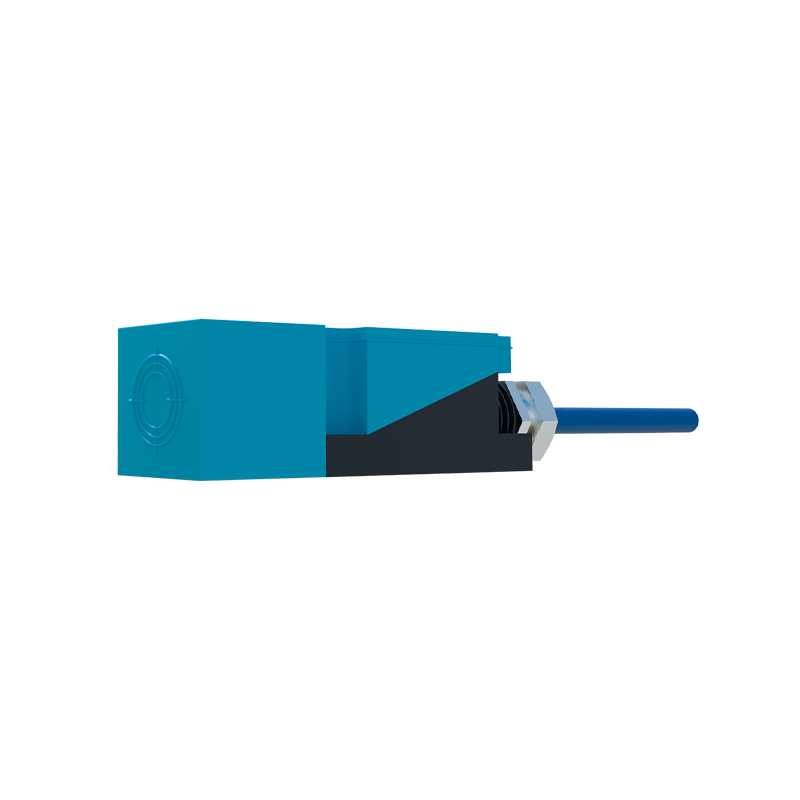
The applications for these precision instruments are vast and varied. In automotive manufacturing, they ensure robotic welders are in the correct position and verify the presence of components on assembly lines. In packaging machinery, they count products, control filling levels, and verify label placement. On material handling equipment, they prevent collisions, detect pallet positions, and manage warehouse automation. In heavy machinery, they serve as safety interlocks, monitor hydraulic cylinder positions, and provide critical feedback for control systems. Their role in enabling the Industrial Internet of Things (IIoT) is growing, as smart sensors feed valuable process data into larger analytics platforms.
Selecting the right engineering-grade proximity sensor requires careful consideration of several factors: the material of the target object, the required sensing distance, the environmental conditions (temperature, contaminants), the necessary housing shape and size for installation, the electrical output type (PNP/NPN, analog, IO-Link), and the required safety certifications for the industry. Consulting with sensor specialists or engineers is often crucial to match the perfect sensor to the specific challenge.
In conclusion, engineering-grade proximity sensors are not mere components; they are the silent, reliable sentinels of modern industry. By providing accurate, non-contact detection under the toughest conditions, they form the foundational sensory layer upon which automated systems are built. Their continuous evolution towards greater intelligence, connectivity, and robustness ensures they will remain vital in driving efficiency, productivity, and innovation in the factories and processes of today and tomorrow.