In the realm of industrial automation and control systems, proximity sensors stand as fundamental components, enabling machines to "sense" the presence or absence of objects without physical contact. These non-contact switches are pivotal for enhancing efficiency, safety, and reliability in countless applications. This article delves into the working principles, primary types, key applications, and essential selection criteria for proximity switches.
At its core, a proximity sensor detects the presence of a target object within its sensing range. It operates by emitting an electromagnetic field or a beam of electromagnetic radiation (like infrared light), and then looking for changes in the field or return signal. The sensor's output switches when a metallic or non-metallic object enters its operational zone. This non-contact nature eliminates mechanical wear and tear, ensures high operational speed, and provides exceptional longevity compared to mechanical limit switches.
There are several main types of proximity sensors, each suited for specific materials and environments. Inductive proximity sensors are the most common in industrial settings. They generate an oscillating electromagnetic field and detect the eddy current losses caused when a metallic target enters the field. They are ideal for detecting ferrous and non-ferrous metals but are ineffective for non-metallic materials. Capacitive proximity sensors, on the other hand, can detect both metallic and non-metallic materials, including liquids, powders, and plastics. They function by measuring changes in capacitance between the sensor and the target object. For longer sensing ranges and precise detection of any object regardless of material, photoelectric sensors are employed. These use a light transmitter (often LED) and receiver to detect interruptions or reflections of the light beam. Finally, ultrasonic proximity sensors use sound waves to detect objects and measure distance, making them excellent for challenging environments with dust, smoke, or varying colors.
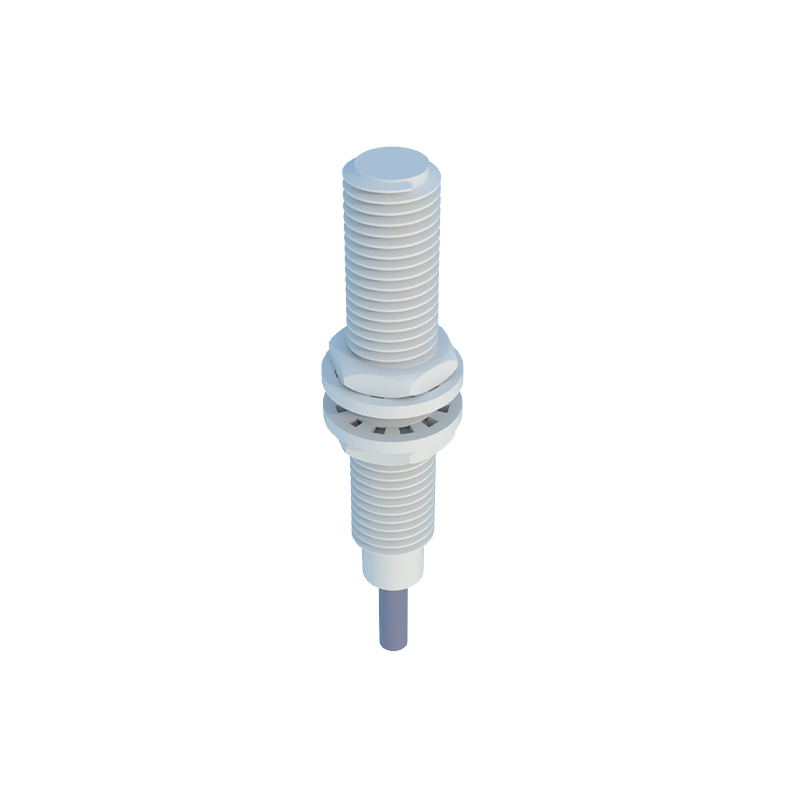
The applications of proximity switches are vast and integral to modern manufacturing. They are ubiquitously used for object detection on conveyor lines, ensuring proper part positioning and counting. In machine tools, they serve as precise limit switches for axis positioning and tool change verification. They enable jam detection in material handling systems, control liquid levels in tanks (using capacitive sensors), and ensure safety by monitoring guard door positions. In the automotive industry, they are critical for robotic welding and assembly processes, while in packaging, they verify the presence of labels, caps, and products.
Selecting the right proximity sensor requires careful consideration of several parameters. First, the sensing distance, or "rated operating distance," must be chosen with a safety margin to account for target material, temperature fluctuations, and supply voltage variations. The target material itself dictates whether an inductive, capacitive, or photoelectric sensor is necessary. Environmental conditions are crucial; sensors are rated with Ingress Protection (IP) codes for dust and water resistance, and certain models are built to withstand extreme temperatures, washdowns, or heavy vibration. Output configuration is another key decision: NPN (sinking) or PNP (sourcing) transistor outputs are standard for DC sensors, while some applications may require analog outputs or relay contacts. Finally, the physical housing style—barrel-shaped, rectangular, or ring-shaped—must be compatible with the mounting space and requirements.
Installation and wiring also demand attention. Maintaining proper clearance from metal surrounds (to prevent shielding effects), ensuring a stable power supply, and protecting the sensor from physical damage are standard best practices. Regular maintenance, though minimal, involves keeping the sensing face clean and periodically checking the operational distance.
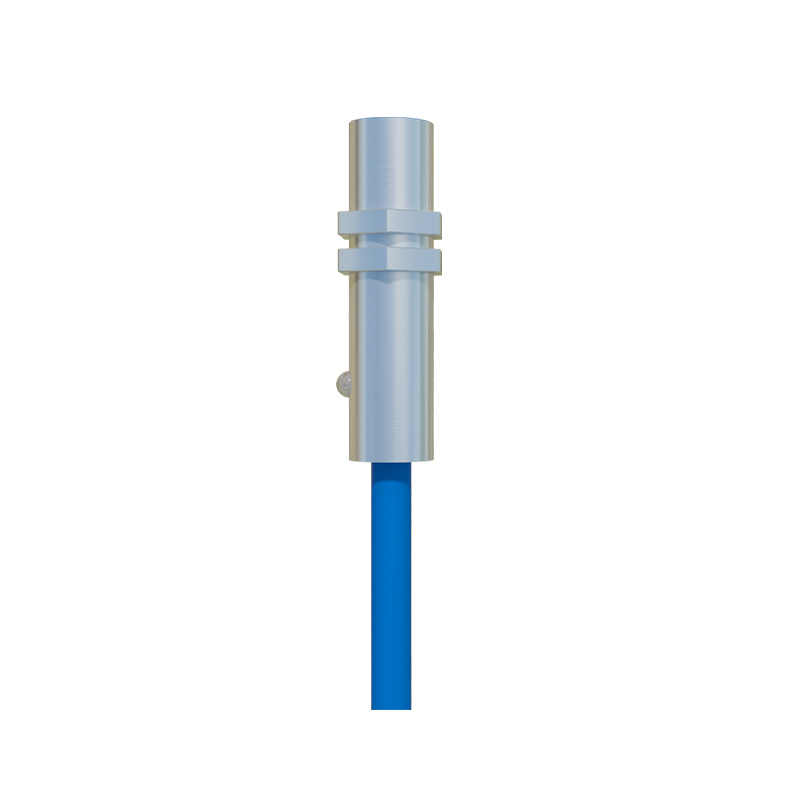
In conclusion, proximity sensors are indispensable workhorses in automation. Understanding their distinct technologies—inductive, capacitive, photoelectric, and ultrasonic—allows engineers and technicians to make informed selections based on the target material, required sensing range, and environmental challenges. By meticulously applying the selection criteria outlined, one can ensure robust, reliable, and efficient operation, thereby optimizing machine performance and contributing to smarter, more responsive industrial systems. As Industry 4.0 advances, the role of these intelligent sensing devices will only grow in significance.