Distance and proximity sensors are fundamental components in modern automation, robotics, and countless smart devices. These sensors detect the presence or absence of an object within a defined range and, in the case of distance sensors, measure the exact interval to the target. Their operation hinges on various physical principles, leading to a diverse ecosystem of technologies suited for different environments and precision requirements.
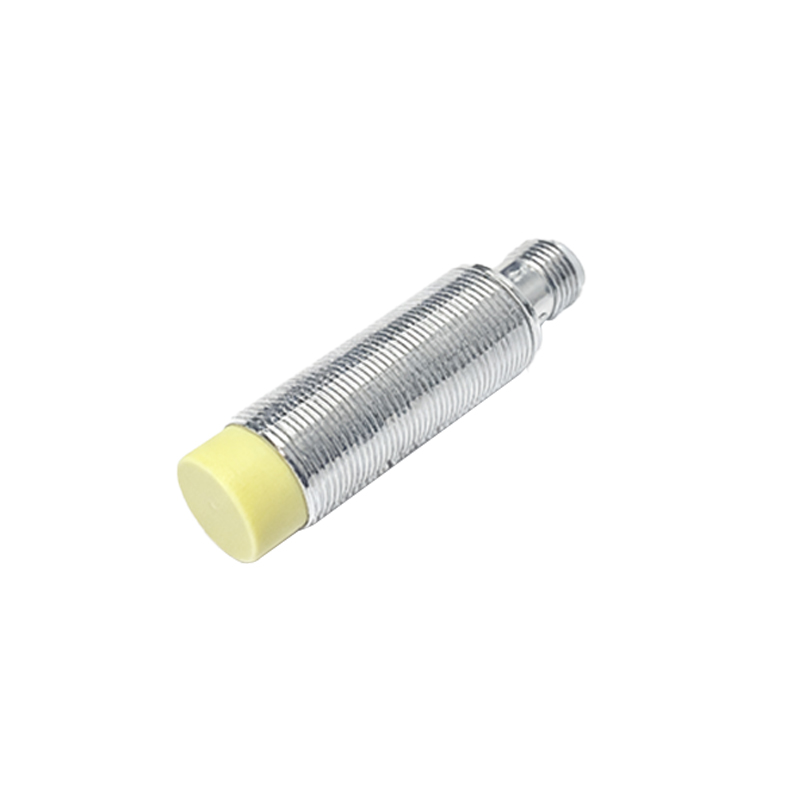
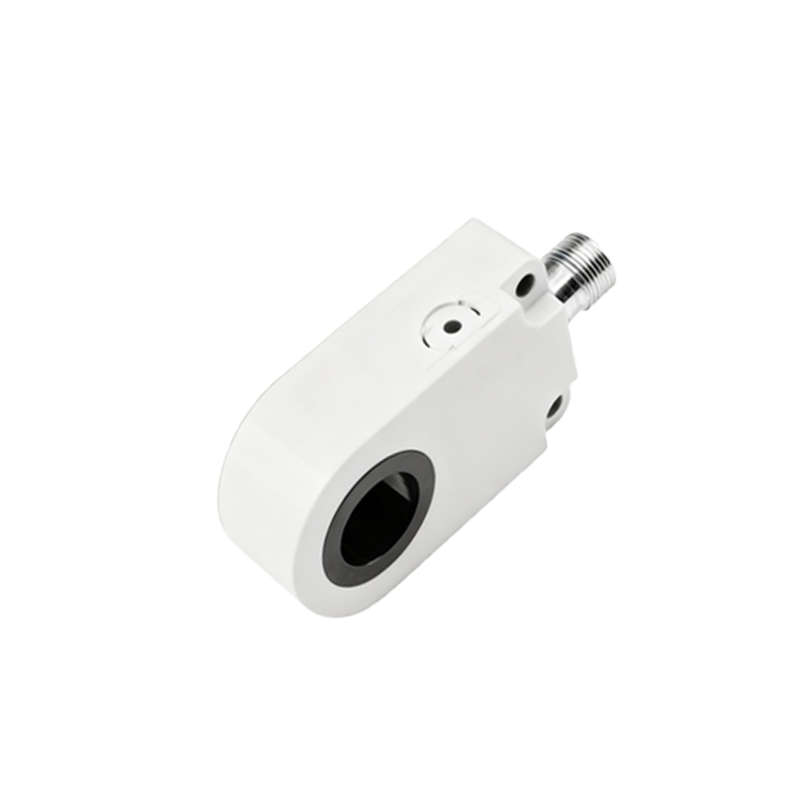
One of the most common and cost-effective technologies is the inductive proximity sensor. These sensors generate an electromagnetic field. When a metallic object enters this field, it induces eddy currents within the object, which in turn cause a detectable change in the sensor's oscillation amplitude. This makes them ideal for harsh industrial environments—think assembly lines, machine tools, or metal detection—as they are immune to dust, oil, and dirt. However, their limitation is clear: they only detect metals.
For non-metallic objects, capacitive proximity sensors are the go-to solution. They function by detecting changes in capacitance. The sensor forms one plate of a capacitor, with the target object acting as the other plate. The presence of any material (plastic, wood, liquid, powder) alters the dielectric constant and thus the capacitance. This makes them versatile for level detection in tanks, material handling, and touch-sensitive interfaces, though they can be sensitive to environmental factors like humidity.
When precise distance measurement is required, optical sensors take center stage. These primarily use infrared (IR) light. A common method is triangulation, where an IR LED emits a beam that reflects off the target onto a position-sensitive detector (PSD). The spot's position on the PSD changes with distance, allowing for highly accurate measurements. Another widespread optical technology is Time-of-Flight (ToF). Here, a modulated light signal (often laser or VCSEL) is emitted, and the sensor precisely measures the time delay for the reflection to return. ToF sensors provide fast, accurate distance data over longer ranges and are prevalent in robotics, drones, and gesture recognition systems.
Ultrasonic sensors represent a robust alternative, especially in challenging environments where optical sensors might struggle. They operate by emitting high-frequency sound pulses and listening for the echo. The time between emission and reception is used to calculate distance. They excel in applications involving transparent objects, liquids, dusty or foggy conditions, and are widely used for parking assistance, tank level monitoring, and object detection on factory floors. Their main drawbacks are a relatively slower response time and potential interference from acoustic noise or extreme temperature gradients.
The latest frontier involves advanced optical technologies like LiDAR (Light Detection and Ranging), which uses laser scanning to create high-resolution 3D maps. While more complex and costly, LiDAR is revolutionizing autonomous vehicles, advanced robotics, and topographic surveying.
Selecting the right sensor requires a careful analysis of the application's needs. Key parameters include sensing range, required accuracy and resolution, response time, target material, environmental conditions (light, dust, temperature), and cost. For instance, a packaging machine detecting cardboard boxes would use a capacitive or diffuse-reflective optical sensor, while a CNC machine detecting a metal tool would employ an inductive sensor. A robot arm needing precise positioning for bin-picking would likely utilize a ToF or laser triangulation sensor.
The integration of these sensors with microcontrollers and industrial networks (like IO-Link, which provides detailed sensor diagnostics and parameterization) has unlocked new levels of intelligence and predictive maintenance in systems. From the smartphone in your pocket adjusting screen brightness to massive automated warehouses and self-driving cars, distance and proximity sensing is an invisible yet indispensable force driving technological progress. As the demand for smarter automation and IoT connectivity grows, these sensors will continue to evolve, becoming more accurate, miniaturized, and energy-efficient.