In today's fast-paced world, efficiency and automation are not just luxuries but necessities. This is where the innovative fusion of proximity sensor technology with LED lighting creates a transformative solution for homes, offices, and public spaces. Proximity sensor LED lights represent a significant leap forward from traditional lighting, offering unparalleled convenience, energy savings, and enhanced functionality.
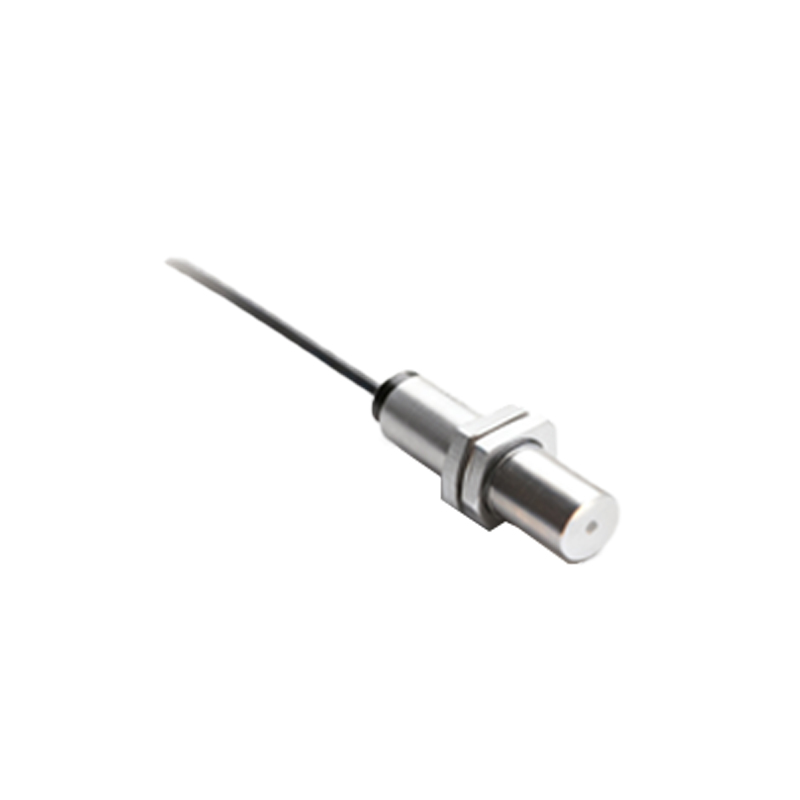
At its core, a proximity sensor LED light is an intelligent system. It combines an energy-efficient Light Emitting Diode (LED) light source with a proximity detection module. This sensor, often using passive infrared (PIR), ultrasonic, or capacitive technology, continuously monitors its surrounding area for motion or presence. When the sensor detects a person or object within its predefined range, it automatically triggers the LED lights to turn on. After a set period of inactivity—where no further motion is detected—the lights seamlessly turn off. This hands-free operation eliminates the need for manual switches, making it ideal for scenarios where hands are full or in low-light conditions where finding a switch is difficult.
The benefits of integrating proximity sensors with LED lighting are substantial and multifaceted. The most immediate advantage is dramatic energy conservation. Lights are only active when needed, preventing wasteful energy consumption from lights being left on in unoccupied rooms, hallways, or storage areas. This can lead to a significant reduction in electricity bills. When paired with the inherent efficiency of LEDs, which use up to 90% less energy than incandescent bulbs, the savings compound. Furthermore, this on-demand operation extends the already impressive lifespan of LED bulbs, reducing replacement frequency and maintenance costs.
Beyond economics, these smart lights enhance safety and convenience. In residential settings, they provide gentle illumination for nighttime navigation to bathrooms or kitchens, preventing stumbles in the dark without the glare of full-brightness lights. For closets, pantries, or garages, they light up the moment a door is opened, offering immediate visibility. In commercial and public applications, such as office corridors, restrooms, or parking garages, they ensure well-lit pathways for security while optimizing energy use. They also promote hygiene in public washrooms by creating a touch-free environment.
The applications for proximity sensor LED lights are vast and growing. In residential spaces, they are perfect for entryways, walk-in closets, under-cabinet kitchen lighting, staircases, and bedside areas. Commercially, they are deployed in hotel rooms, conference rooms, warehouse aisles, and retail storage areas. Industrial settings use them for machinery safety lighting or in low-traffic zones. Modern designs have become increasingly discreet, with sensors integrated seamlessly into downlights, strip lights, panel lights, or even standalone modules that can retrofit existing fixtures.
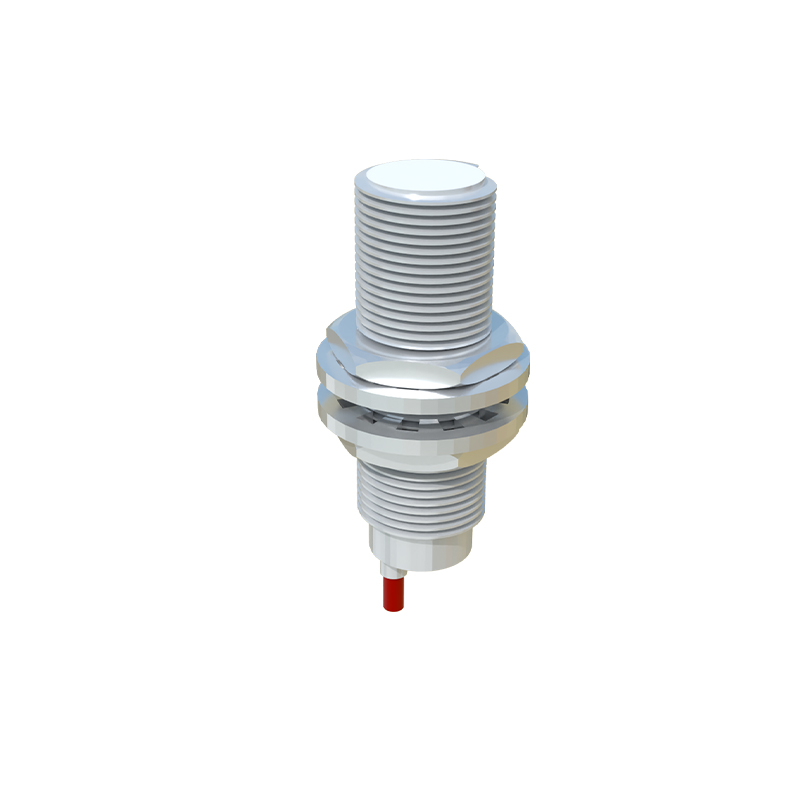
When selecting a proximity sensor LED light, consider key factors. The detection range and angle determine the coverage area—whether you need a wide field for a room or a narrow beam for a hallway. Adjustable sensitivity and time-delay settings allow customization to prevent false triggers from pets or passing cars and to set how long the light stays on after motion ceases. The color temperature of the LED (warm white, cool white, etc.) should suit the ambiance of the space. For outdoor use, ensure the fixture has an appropriate Ingress Protection (IP) rating for weather resistance.
Installation is typically straightforward. Many products are designed as plug-and-play units or direct replacements for standard bulbs and fixtures. For integrated systems, professional installation may be recommended to ensure optimal sensor placement and wiring. The future of this technology points towards greater integration with broader smart home and building automation systems. Imagine lights that not only respond to presence but also adjust brightness based on ambient natural light or sync with security systems.
In conclusion, proximity sensor LED lights are more than a simple convenience; they are a cornerstone of intelligent, sustainable living. By merging the reliability and efficiency of LEDs with the automated intelligence of proximity sensing, they deliver a practical solution that saves money, conserves energy, and simplifies daily life. As technology advances and becomes more accessible, these adaptive lighting systems are set to become a standard feature, quietly working in the background to create safer, smarter, and more responsive environments for everyone.