In the world of industrial automation and smart devices, proximity switch sensors are the silent, unseen workhorses. These non-contact sensors detect the presence or absence of an object within a specific range without any physical touch. Their ability to operate reliably in harsh environments, provide high-speed response, and offer long service life makes them indispensable across countless applications. Understanding their core principles, varieties, and proper selection criteria is crucial for engineers, technicians, and procurement specialists.
At its heart, a proximity sensor works by emitting a field or beam of electromagnetic radiation and looking for changes in the field or return signal. The object being detected is often termed the "target." The key advantage is the lack of mechanical contact, which eliminates wear and tear on both the sensor and the target, ensuring consistent performance and minimal maintenance. The operating principle defines the primary types of proximity sensors available today.
Inductive proximity sensors are perhaps the most common type. They generate an oscillating electromagnetic field. When a metallic target enters this field, it induces eddy currents within the target, which causes a change in the oscillation amplitude. This change is detected by the sensor's circuitry, triggering a solid-state output switch. These sensors are excellent for detecting ferrous and non-ferrous metals but are ineffective for non-metallic materials. Typical sensing ranges vary from a few millimeters to about 60 millimeters. You'll find them extensively in machine automation for tasks like counting metal parts, detecting piston position in cylinders, or as end-of-travel limit switches.

Capacitive proximity sensors, on the other hand, can detect both metallic and non-metallic materials, including liquids, powders, plastics, and wood. They function by generating an electrostatic field. Any object that enters this field alters the capacitance of the sensor's circuit. This alteration is measured, and when it reaches a preset threshold, the sensor activates its output. This makes them versatile for applications like liquid level detection in tanks, monitoring presence of plastic caps on bottles, or sensing granular materials in hoppers. Their sensing range is generally similar to or slightly less than inductive models.
Ultrasonic proximity sensors use sound waves beyond the range of human hearing. They emit high-frequency ultrasonic pulses and measure the time it takes for the echo to return from a target. By calculating this "time-of-flight," they can determine the distance to the object. These sensors are effective for detecting objects of virtually any material, shape, or color, and are less affected by dust, smoke, or ambient light. They are ideal for applications requiring longer sensing distances (up to several meters) or precise distance measurement, such as in parking assistance systems, bulk material level sensing, and robotic obstacle detection.
Finally, photoelectric sensors, while sometimes categorized separately, function as proximity devices. They use a light beam (visible, infrared, or laser) and detect the interruption or reflection of that beam by a target. Through-beam sensors have separate emitter and receiver units, offering the longest range and highest reliability. Retro-reflective sensors bounce light off a reflector, and diffuse sensors rely on light reflecting directly off the target itself. They are superb for detecting small objects, seeing through transparent materials, or working over long distances, common in packaging, material handling, and security systems.
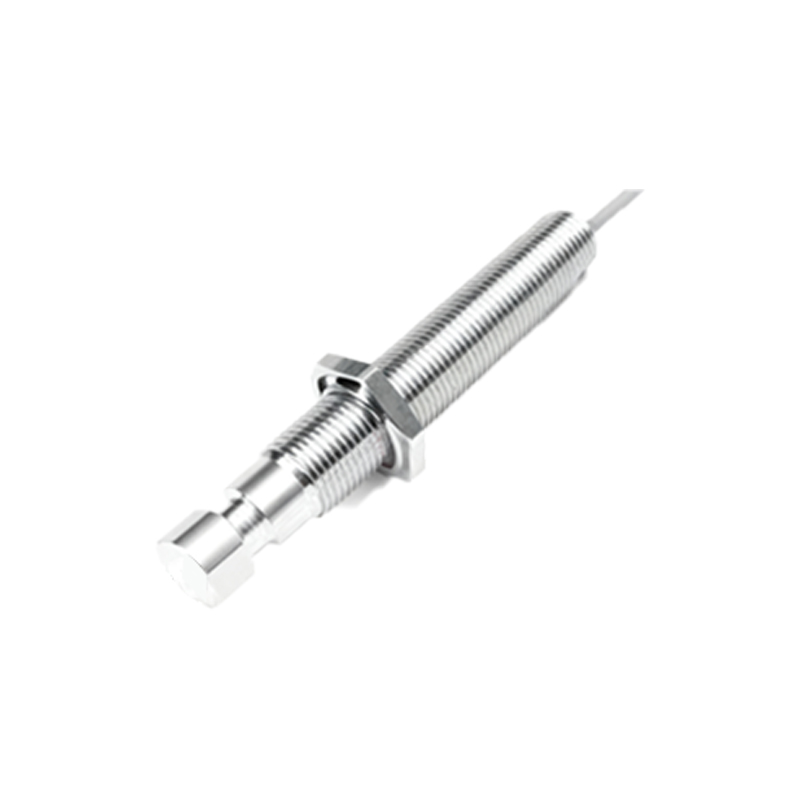
Selecting the right proximity sensor requires careful consideration of several factors. First, identify the target material. Is it metal, plastic, liquid, or something else? This will narrow down your choice to inductive, capacitive, or ultrasonic types. Next, consider the required sensing distance. Always choose a sensor with a rated sensing distance greater than your application needs, applying a safety factor, as real-world conditions like temperature and target size can affect performance. The operating environment is critical. Will the sensor be exposed to water, oils, chemicals, extreme temperatures, or heavy vibration? Look for sensors with appropriate Ingress Protection (IP) ratings and robust housing materials like nickel-plated brass or stainless steel.
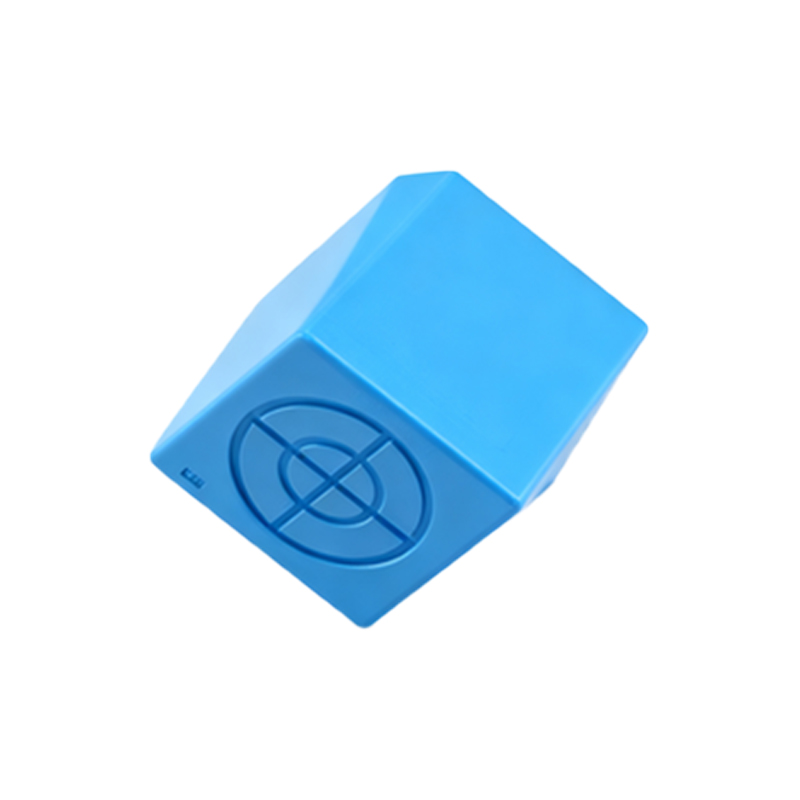
Output configuration is another key decision. Most proximity sensors provide a digital ON/OFF signal. Common output types include NPN (sinking), PNP (sourcing), or analog (4-20 mA or 0-10V) for distance-proportional information. Ensure the output type is compatible with your controller's input module, such as a PLC. Other practical aspects include the physical size and mounting style (threaded barrel, rectangular block), connection method (pre-wired cable or quick-disconnect), and whether a normally-open or normally-closed output logic is required.
Installation and wiring must follow manufacturer guidelines. Maintaining the proper clearance around the sensor head is essential to prevent false triggers from surrounding metal (for inductive sensors) or other interfering objects. Proper shielding and grounding help mitigate electrical noise in industrial settings. Regular testing and calibration, especially for ultrasonic and analog sensors, ensure ongoing accuracy.
From controlling high-speed production lines and ensuring robotic safety to enabling