In the realm of industrial automation and control systems, proximity switches stand as fundamental components for non-contact object detection. Among the various configurations available, the DC 3-wire sensor has become a de facto standard for countless applications, prized for its reliability, straightforward interfacing, and robust performance. This guide delves into the operational principles, wiring methodologies, key advantages, and critical selection criteria for DC 3-wire proximity sensors, providing essential knowledge for engineers and technicians.
At its core, a proximity switch is a sensor that detects the presence or absence of a target object without physical contact. DC 3-wire sensors are predominantly built on inductive or capacitive sensing principles. Inductive sensors generate an electromagnetic field and detect the eddy current losses caused by metallic targets. Capacitive sensors, on the other hand, detect changes in capacitance caused by the presence of any material, making them suitable for non-metallic targets like liquids, plastics, or wood. The "DC" designation indicates the sensor operates on a direct current power supply, typically ranging from 10 to 30 VDC, with 24 VDC being the most common in industrial settings.
The defining characteristic of a 3-wire sensor is its terminal configuration: one wire for the positive supply voltage (brown or red), one wire for the negative supply/common ground (blue or black), and one wire for the output signal (black, white, or gray). This design elegantly separates the power and output circuits, a significant improvement over 2-wire sensors. There are two primary output types: NPN (sinking) and PNP (sourcing). An NPN sensor switches the negative (ground) side of the load, meaning the output acts as a path to ground when active. Conversely, a PNP sensor switches the positive voltage side to the load. The choice between NPN and PNP is crucial and depends on the input configuration of the connected controller (PLC, relay, etc.). A simple mnemonic is "PNP = Positive Switched Positive," which can aid in proper selection.
Wiring a DC 3-wire sensor is a systematic process. First, connect the brown wire to the positive DC supply and the blue wire to the DC common (0V). The output wire is then connected to the load. For a PNP sensor, the load is connected between the output wire and the negative supply. For an NPN sensor, the load is connected between the output wire and the positive supply. It is imperative to consult the manufacturer's datasheet for precise wiring diagrams and specifications. Always ensure proper grounding and shielding in electrically noisy environments to prevent false triggering.
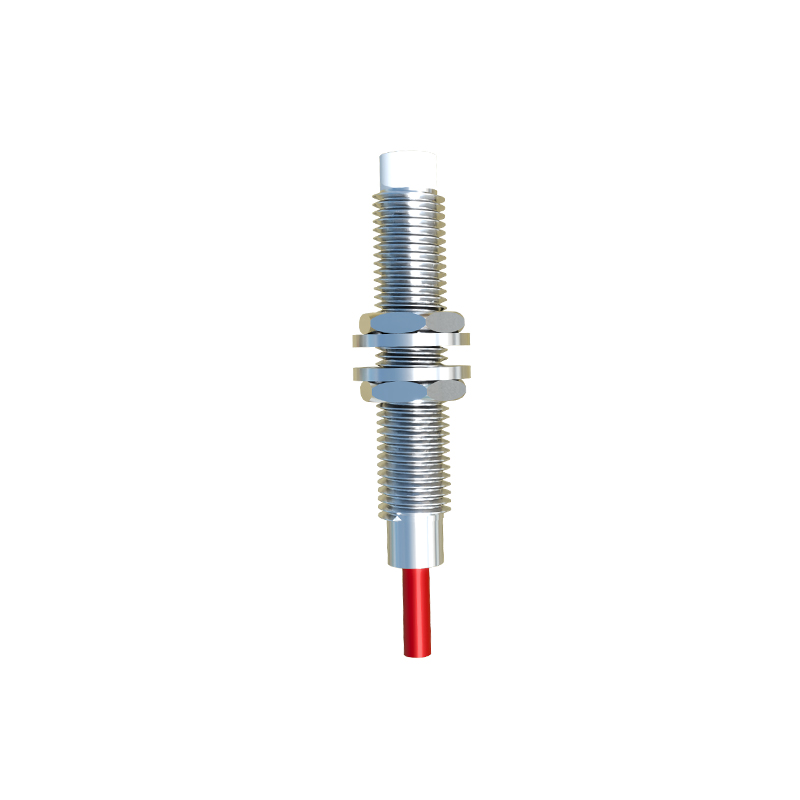
The advantages of the 3-wire DC design are substantial. Firstly, they offer very low leakage current in the "off" state, minimizing power consumption and preventing unintended activation of sensitive control inputs. Secondly, they provide a clear and strong signal with fast switching speeds, capable of handling high-frequency counting and positioning tasks. Thirdly, the separate power and output circuits allow for greater flexibility in load compatibility and easier troubleshooting. Compared to 2-wire sensors, 3-wire models generally have longer sensing distances and better performance stability under voltage fluctuations.
When selecting a DC 3-wire proximity sensor for a specific application, several parameters must be evaluated. The sensing distance, or "Sn," is nominal and should be derated for reliable operation, typically to 70-80% of the stated value. The target material directly influences the choice between inductive and capacitive types. Environmental factors such as temperature extremes, presence of cutting fluids, oils, or dust necessitate sensors with appropriate ingress protection (IP) ratings, such as IP67 or IP69K. The housing material, be it nickel-plated brass, stainless steel, or PBT plastic, must withstand chemical and physical exposure. Output configuration (NPN/PNP) and switching function (normally open/NO or normally closed/NC) must match the control logic. Finally, consider the electrical specifications: operating voltage range, output current capacity, and short-circuit/overload protection features.
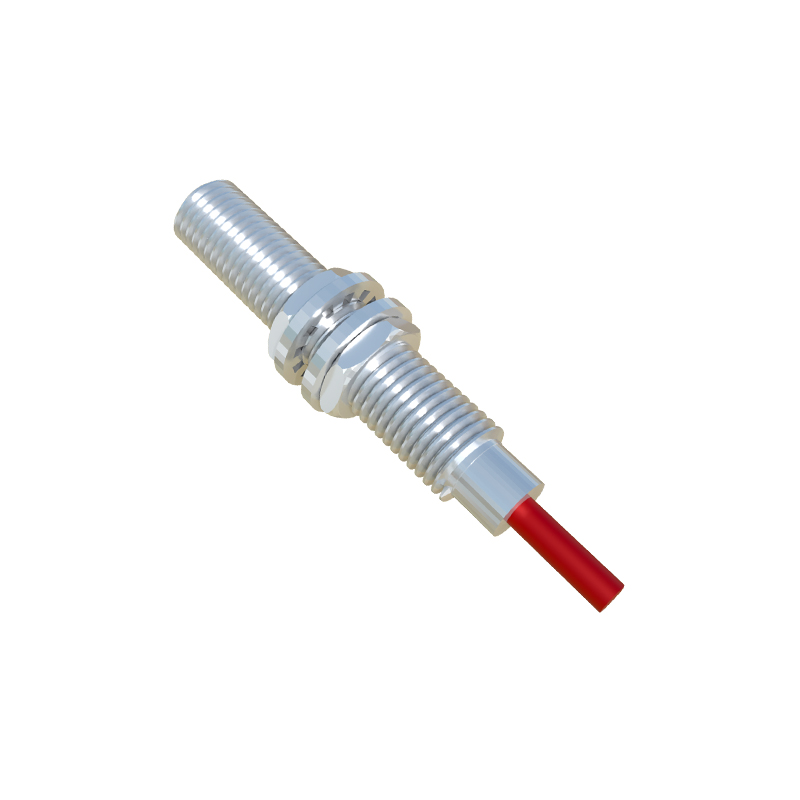
Maintenance, while minimal, is essential for long-term reliability. Regularly clean the sensor face to remove debris that could attenuate the sensing field. Periodically verify the sensing distance and output signal integrity. Avoid running the output wire in the same conduit as high-power AC lines to prevent electromagnetic interference.
In conclusion, the DC 3-wire proximity sensor is a versatile and indispensable workhorse in modern industrial automation. Its design strikes an optimal balance between performance, cost, and ease of use. A thorough understanding of its operating principles, correct wiring practices, and informed selection based on application demands are key to ensuring robust, fail-safe operation in systems ranging from simple conveyor jam detection to complex robotic assembly lines. As technology advances, these sensors continue to evolve with