In the demanding environment of underground mining, air quality is not merely a regulatory checkbox—it is a fundamental pillar of operational safety and worker health. Among the various hazards present, respirable dust poses a particularly insidious threat. Prolonged exposure can lead to severe, irreversible lung diseases such as pneumoconiosis, commonly known as black lung. To combat this invisible danger, the mining industry has increasingly turned to advanced monitoring technology, with laser dust sensors emerging as a critical line of defense. The reliable supply of these high-precision instruments is therefore paramount for modern mining operations worldwide.
Unlike traditional gravimetric or light-scattering sensors, modern mining-grade laser dust sensors utilize the principle of laser diffraction. A focused laser beam passes through the sampled air. Dust particles within the beam scatter the light at specific angles, and a sophisticated photodetector array measures this scattering pattern. Advanced algorithms then analyze this data in real-time to calculate the mass concentration of particulate matter, typically for PM1, PM2.5, and PM10 fractions. This method offers unparalleled accuracy, fast response times, and the ability to detect low concentrations—capabilities essential for providing early warnings before dust levels reach critical thresholds.
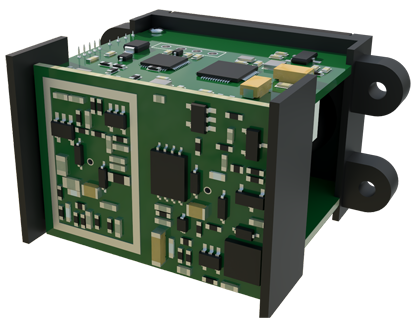
The supply chain for these specialized sensors is a complex ecosystem. It begins with manufacturers who must master precision optics, robust electronics, and algorithm development. Key components, such as stable laser diodes and sensitive detectors, often require sourcing from specialized technology firms. For a sensor to be fit for the mining sector, it must undergo rigorous design and testing to meet stringent international standards for intrinsic safety (e.g., ATEX, IECEx). These certifications ensure the device will not ignite flammable gases or dust, a non-negotiable requirement in potentially explosive atmospheres.
Leading suppliers do not merely provide hardware; they offer integrated solutions. This includes the sensor unit itself, designed in a rugged, IP-rated housing resistant to shock, vibration, humidity, and corrosive elements. Supply packages often encompass calibration equipment, data logging software, and connectivity modules for integration into the mine's wider telemetry and ventilation control systems. Reliable suppliers also guarantee ongoing support: readily available calibration services, spare parts, and technical expertise are crucial, as downtime in monitoring can equate to heightened risk.
The global demand for these sensors is driven by a confluence of factors. Tightening occupational health and safety regulations worldwide compel mining companies to adopt the best available monitoring technology. Simultaneously, the industry's push toward automation and "smart mining" initiatives creates a need for continuous, reliable data streams to optimize ventilation, control dust suppression systems, and inform operational decisions. A stable and responsive supply of laser dust sensors enables mines to meet compliance mandates while proactively managing their environmental health and safety performance.
Procurement managers and safety officers must consider several key factors when sourcing these sensors. Accuracy and certification are the foremost priorities. The device's measurement range must align with the specific dust types present (e.g., coal, silica). Long-term stability and low maintenance requirements reduce lifecycle costs. Furthermore, interoperability with existing mine infrastructure is essential for seamless data integration. Establishing a relationship with a supplier known for consistent quality, proven durability in harsh conditions, and robust after-sales service is as important as the technical specifications of the product itself.
In conclusion, the supply of mining laser dust sensors represents a vital link in the chain of modern mine safety. These sophisticated devices provide the data necessary to protect human health, ensure regulatory compliance, and enhance operational efficiency. As mining continues to delve deeper and face more complex challenges, the role of precise, real-time dust monitoring will only grow. Ensuring a resilient and high-quality supply of these sensors is not just an operational procurement task—it is a direct investment in the sustainability and ethical responsibility of the mining industry. The right sensor, supplied reliably, acts as a silent guardian, ensuring every breath underground is a safer one.