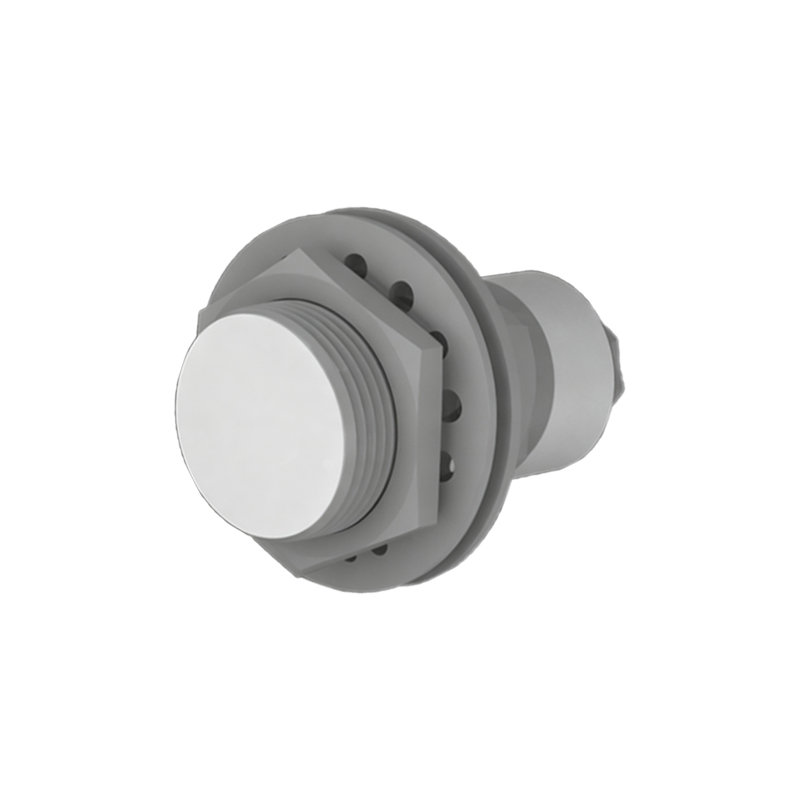
Selecting the right proximity sensor is a critical decision in industrial automation, machinery design, and countless electronic applications. The wrong choice can lead to system failures, inaccurate readings, and unnecessary costs. This guide provides a structured approach to sensor selection, focusing on key technical and environmental factors to ensure reliable and efficient operation.
The first and most fundamental step is to define the sensing object. What material needs to be detected? Proximity sensors are primarily categorized by the technology they use, and each type has specific material compatibilities. Inductive proximity sensors are the workhorses for detecting metallic objects, typically ferrous metals like steel and iron. Their sensing range is influenced by the target's material; for instance, steel provides the standard sensing distance, while aluminum or copper may reduce it significantly. For non-metallic targets—such as plastic, wood, glass, or liquids—a capacitive proximity sensor is required. These sensors detect changes in capacitance caused by the presence of any material, making them versatile but sometimes susceptible to false triggers from humidity or contaminants. For precise detection of specific marks, colors, or contrasts on surfaces, photoelectric sensors (which use light beams) are the standard choice. Finally, for detecting magnetic fields, such as from a permanent magnet, a magnetic proximity sensor (often a reed switch or Hall-effect sensor) is used.
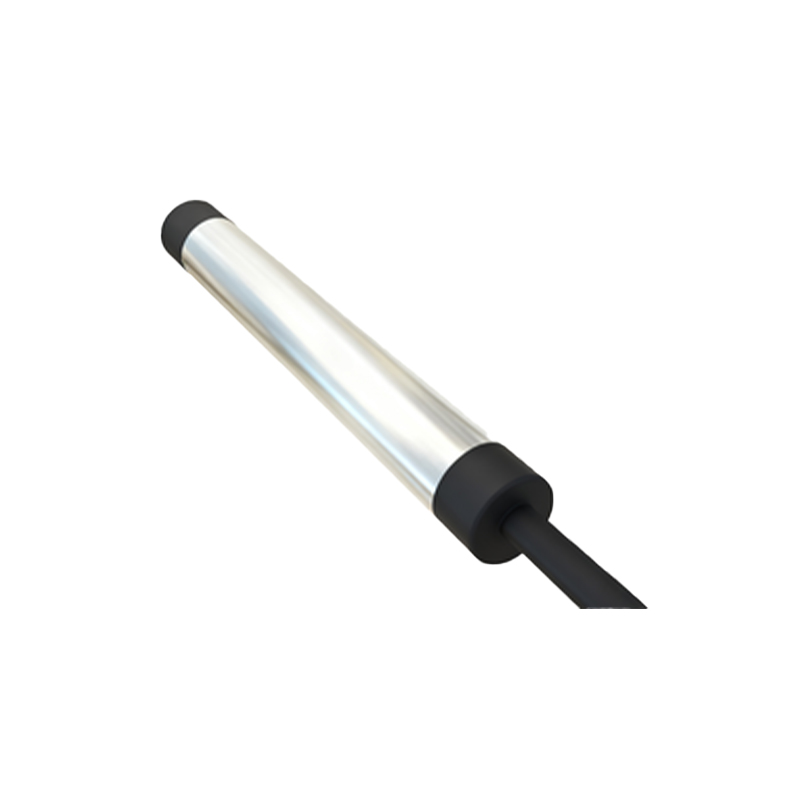
Once the target material dictates the sensor type, the next crucial parameter is the required sensing distance, often called the nominal range or Sn. This is the guaranteed operating distance for a standard target under ideal conditions. It is vital to select a sensor with a rated sensing distance greater than the maximum physical gap required in the application. A common rule of thumb is to use only 60-80% of the sensor's nominal range to account for real-world variables like temperature fluctuations, supply voltage tolerance, and target material variations. Never design a system where the target operates at the absolute limit of the sensor's published range.
The physical characteristics of both the sensor and its installation environment are equally important. Consider the sensor's housing style: cylindrical barrels (e.g., M8, M12, M18, M30 threads) are common for inductive and capacitive types, while rectangular housings are typical for photoelectrics. The housing material, usually nickel-plated brass, stainless steel, or PBT plastic, must withstand the environment. Will the sensor be exposed to oils, coolants, welding sparks, or washdown procedures? An IP (Ingress Protection) rating of IP67 is standard for most industrial settings, indicating protection against dust and temporary immersion. For harsh environments like food processing, a higher IP69K rating for high-pressure, high-temperature washdowns is necessary.

Electrical specifications must match the control system. Determine the required output type: a two-wire DC sensor is simple but has a small residual current when off; a three-wire DC sensor (with separate power, ground, and signal wires) is the most common, offering either a PNP (sourcing) or NPN (sinking) transistor output. The choice between PNP and NNP depends on the input card of your PLC or controller. Also, check the operating voltage range (e.g., 10-30V DC) and the maximum output current the sensor can handle. For AC-powered sensors, ensure the voltage matches your mains supply.
Finally, consider the switching frequency or response time. This defines how quickly the sensor can turn on and off, measured in Hertz (Hz) or milliseconds. A high-speed packaging line requiring detection of thousands of items per minute needs a sensor with a very high switching frequency (e.g., 5 kHz). For a slow-moving conveyor, a standard frequency (e.g., 100 Hz) is sufficient. Additionally, some applications require sensors with specific outputs like analog (4-20mA, 0-10V) for distance measurement, or IO-Link for digital communication and parameterization.
In summary, a methodical selection process involves: 1) Identifying the target material to choose the sensor technology (inductive, capacitive, photoelectric, magnetic). 2) Determining the necessary sensing distance and applying a safety factor. 3) Selecting an appropriate housing style and material with a suitable IP rating for the environment. 4) Matching the electrical output (PNP/NPN, voltage, current) to the control system. 5) Verifying that the response speed meets the application's cycle time demands. By systematically evaluating these parameters, engineers and technicians can specify the optimal proximity sensor, ensuring long-term reliability, accuracy, and cost-effectiveness for their specific application.