Proximity sensors are electronic devices designed to detect the presence or absence of objects within a certain range without any physical contact. These sensors operate by emitting an electromagnetic field, infrared light, or acoustic waves and then monitoring changes in the return signal. When an object enters the sensor's detection zone, it alters the field or reflects the signal back to the sensor, triggering an output response. This non-contact detection capability makes proximity sensors ideal for applications where reliability, durability, and precision are critical.
There are several types of proximity sensors, each suited to specific environments and materials. Inductive proximity sensors, for instance, detect metallic objects by generating an electromagnetic field. They are commonly used in industrial automation, such as in conveyor systems or robotic arms, where metal parts need to be counted, positioned, or monitored. Capacitive proximity sensors, on the other hand, can detect both metallic and non-metallic materials, including liquids and plastics, by sensing changes in capacitance. These are often found in food processing, packaging, and level detection systems. Ultrasonic proximity sensors use sound waves to measure distance and detect objects, making them effective in harsh conditions where dust, moisture, or temperature variations might interfere with other sensor types. They are widely used in automotive parking assistance, tank level monitoring, and material handling. Infrared (IR) proximity sensors rely on light beams and are common in consumer electronics, such as smartphones for screen dimming during calls or in automatic faucets for touchless operation.
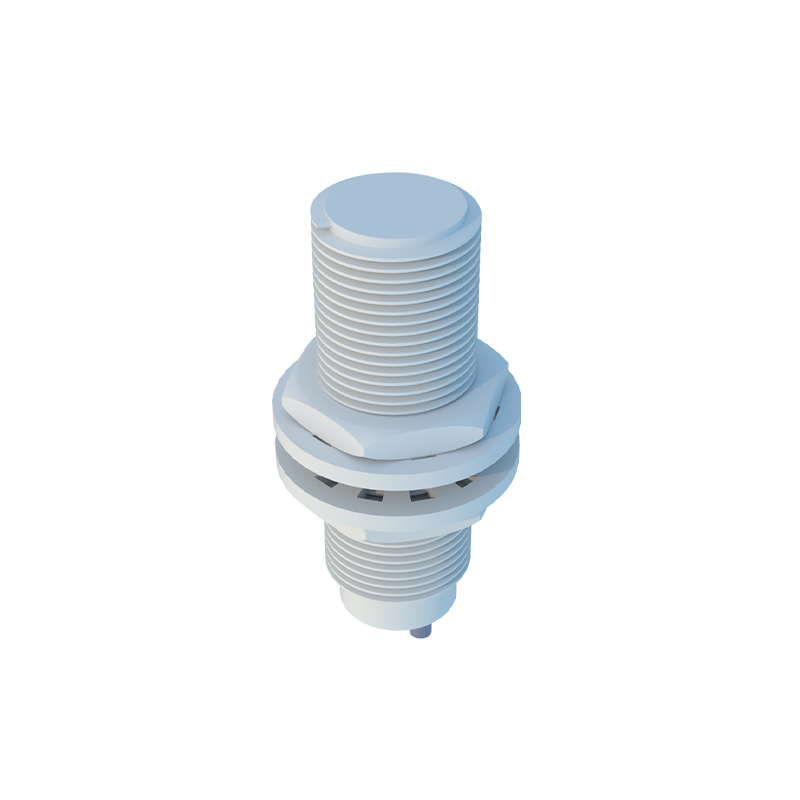
The advantages of proximity sensors are numerous. Their non-contact nature minimizes wear and tear, extending operational life and reducing maintenance costs. They offer high-speed detection, often responding in milliseconds, which is essential for fast-paced manufacturing lines. Additionally, many proximity sensors are resistant to environmental factors like dirt, oil, and vibration, ensuring consistent performance in challenging settings. For example, in automotive assembly plants, inductive sensors reliably detect engine components even amid grease and metal shavings. In healthcare, capacitive sensors enable touchless interfaces on medical equipment, promoting hygiene and reducing contamination risks.
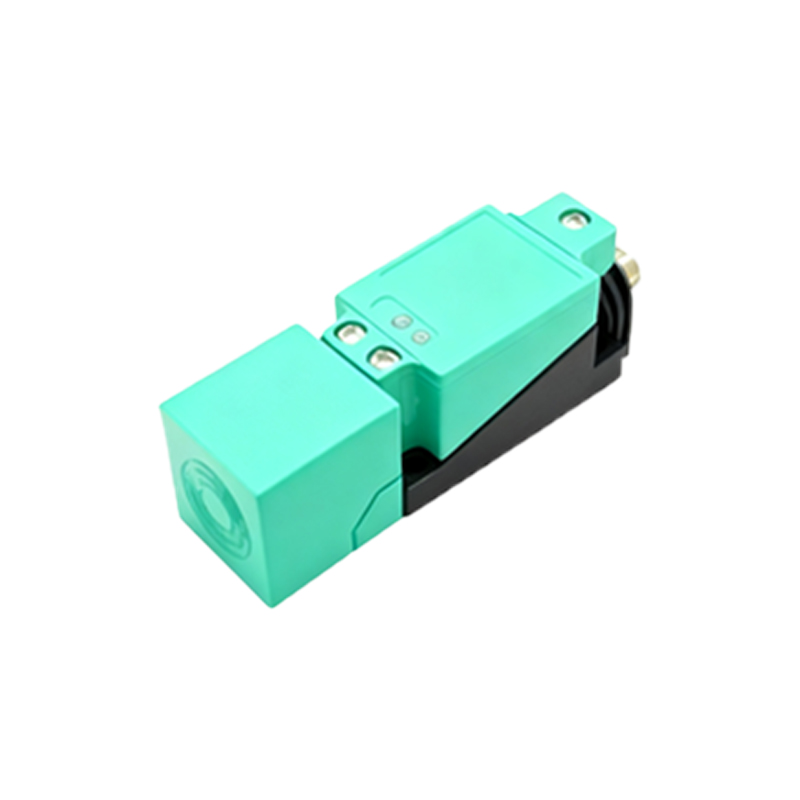
Applications span across industries. In manufacturing, proximity sensors facilitate automation by enabling precise control of machinery, object counting, and safety interlocks to prevent accidents. In consumer electronics, they enhance user experience through features like automatic screen turn-off and gesture recognition. The automotive sector uses them for collision avoidance, parking sensors, and seat occupancy detection. Even in smart homes, proximity sensors contribute to energy efficiency by controlling lighting and HVAC systems based on occupancy.
When selecting a proximity sensor, factors such as detection range, material compatibility, environmental conditions, and output type (digital or analog) must be considered. Proper installation and calibration are also crucial to avoid false triggers or missed detections. As technology advances, proximity sensors are becoming more integrated with IoT and AI systems, enabling smarter, adaptive operations in real-time. For instance, in smart factories, sensors can communicate data to central systems for predictive maintenance and optimization.
In summary, proximity sensors are versatile tools that enable automation, safety, and efficiency across diverse fields. Their ability to detect objects without contact, coupled with robustness and precision, makes them indispensable in modern technology. From industrial robots to everyday gadgets, these sensors quietly drive innovation and convenience, shaping how machines interact with the physical world. As demand for automation grows, proximity sensors will continue to evolve, offering even greater accuracy and connectivity for future applications.