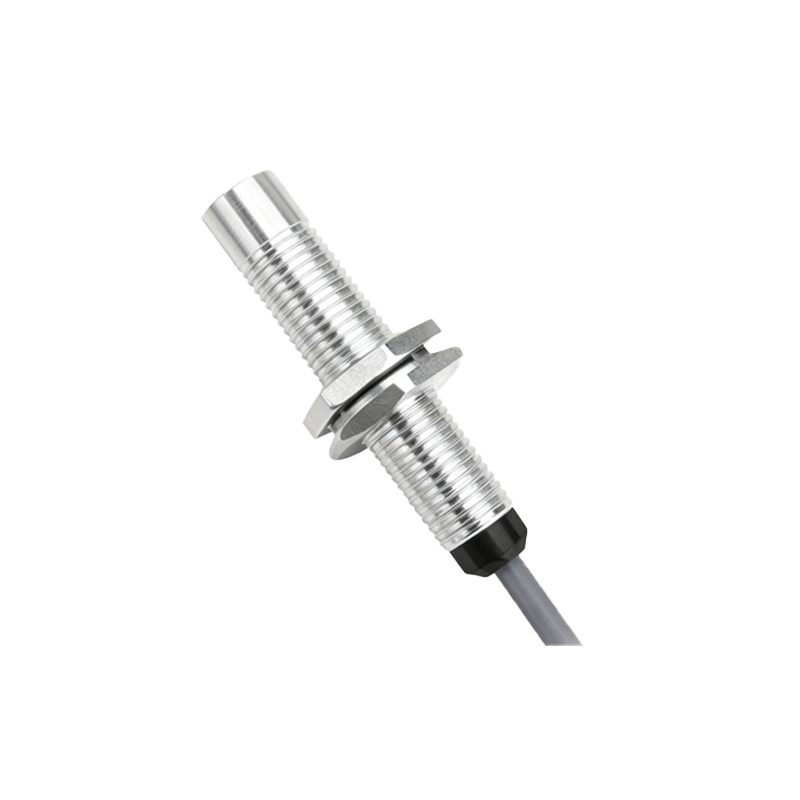
In the intricate dance of modern machinery and smart devices, there exists a silent, unseen sentinel. It doesn't make a sound, rarely draws attention to itself, yet its function is fundamental to the seamless interaction we have come to expect from technology. This is the proximity sensor, a device whose core purpose is elegantly simple: to detect the presence or absence of an object within a specified range without any physical contact.
The principle behind proximity sensing is a study in applied physics. These sensors work by emitting a field or a beam of electromagnetic radiation, often infrared light, or by creating an electromagnetic field. When an object enters this designated field, it causes a detectable change—a reflection of light, a disruption in capacitance, or an alteration in the magnetic field. This change is then converted by the sensor's electronics into an electrical signal that triggers a predefined action. This non-contact operation is its greatest strength, eliminating mechanical wear and tear and allowing for detection of even fragile or sensitive objects.
Diverse applications demand diverse technologies, and the world of proximity sensors reflects this. Inductive sensors are the workhorses of industrial automation, perfectly suited for detecting metallic objects on assembly lines. Capacitive sensors, on the other hand, can detect a wider variety of materials, including liquids, plastics, and wood, making them ideal for level sensing in tanks or touch-sensitive interfaces. Ultrasonic sensors use sound waves to measure distance and are excellent in challenging environments with dust or vapor, commonly found in parking assist systems or robotic navigation. Photoelectric sensors, utilizing light beams, offer very long sensing ranges and high precision for object counting or positioning.
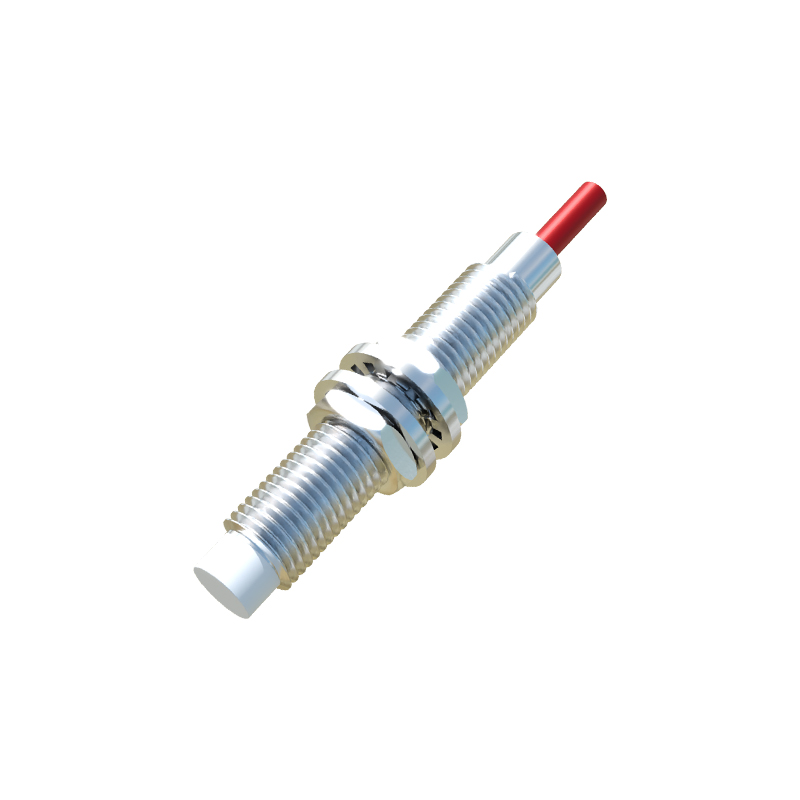
The integration of proximity sensors is so pervasive that it often goes unnoticed. In your smartphone, a small proximity sensor near the earpiece turns off the display during a call to prevent accidental screen presses. In automotive safety, arrays of these sensors form the backbone of blind-spot monitoring and automatic emergency braking systems, constantly scanning the vehicle's surroundings. In retail, they trigger automatic doors, and in homes, they enable touchless faucets and soap dispensers, promoting hygiene. Advanced manufacturing relies on them for precise robotic positioning, quality control, and ensuring operator safety by halting machines when a hand comes too close.
Selecting the right proximity sensor requires careful consideration of several factors. The nature of the target material—metal, plastic, liquid—is paramount. The required sensing distance, environmental conditions like temperature, humidity, or exposure to contaminants, and the necessary response speed all play a critical role. Furthermore, the output type needed, such as a simple on/off digital signal or an analog signal proportional to distance, must match the control system it interfaces with.
Looking ahead, the evolution of proximity sensing is intertwined with the growth of the Internet of Things (IoT) and smart systems. Sensors are becoming smaller, more energy-efficient, and smarter, with embedded processing capabilities. They are key enablers for context-aware environments, where lighting, climate, and information displays adjust based on human presence. In industrial IoT, sensor data feeds into predictive maintenance models, anticipating failures before they occur. The future points toward sensor fusion, where data from proximity sensors is combined with inputs from cameras, LiDAR, and other sources to create a richer, more reliable perception of the environment for autonomous machines and intelligent spaces.
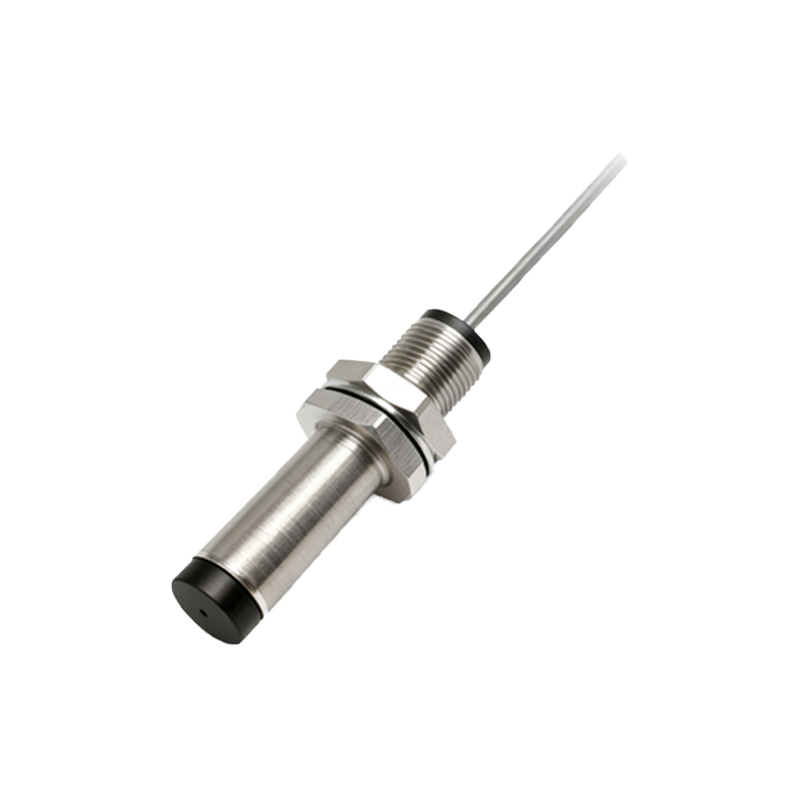
From the smartphone in your pocket to the automated factory floor, proximity sensors act as the fundamental layer of perception. They provide the essential binary knowledge of "something is there" or "nothing is there," upon which increasingly complex and intelligent decisions are built. As technology strives for greater autonomy and intuitive interaction, these invisible guardians will continue to be indispensable, quietly extending the senses of the machines that define our world.