In the intricate dance of modern automation and smart technology, there exists a silent, unseen performer: the proximity sensor switch. These devices, often no larger than a coin, are fundamental components that detect the presence or absence of objects without any physical contact. Their operation is a marvel of applied physics, primarily utilizing electromagnetic fields, infrared light, or ultrasonic waves to sense nearby targets. The core principle is elegantly simple: the sensor emits a field or beam, and when an object disrupts this field, the switch triggers a signal to a control system. This non-contact detection is their defining superpower, eliminating mechanical wear and tear and enabling operation in environments where dirt, oil, or moisture would cripple traditional mechanical switches.
The applications of proximity sensor switches are astonishingly vast, weaving themselves into the fabric of daily life and industrial might. On the factory floor, they are the indispensable eyes of robotic arms, ensuring precise positioning of components on assembly lines. They count products speeding down conveyor belts, control the movement of automated guided vehicles (AGVs), and provide critical safety interlocks on machinery doors. Venture into a modern automobile, and you'll find them at work—detecting gearshift position, managing trunk lid closure, or enabling keyless entry systems. In the consumer realm, they discreetly turn off smartphone screens when held to the ear during a call and activate faucets or soap dispensers in public restrooms for improved hygiene. Even the humble elevator relies on them to ensure doors do not close when a passenger is crossing the threshold.
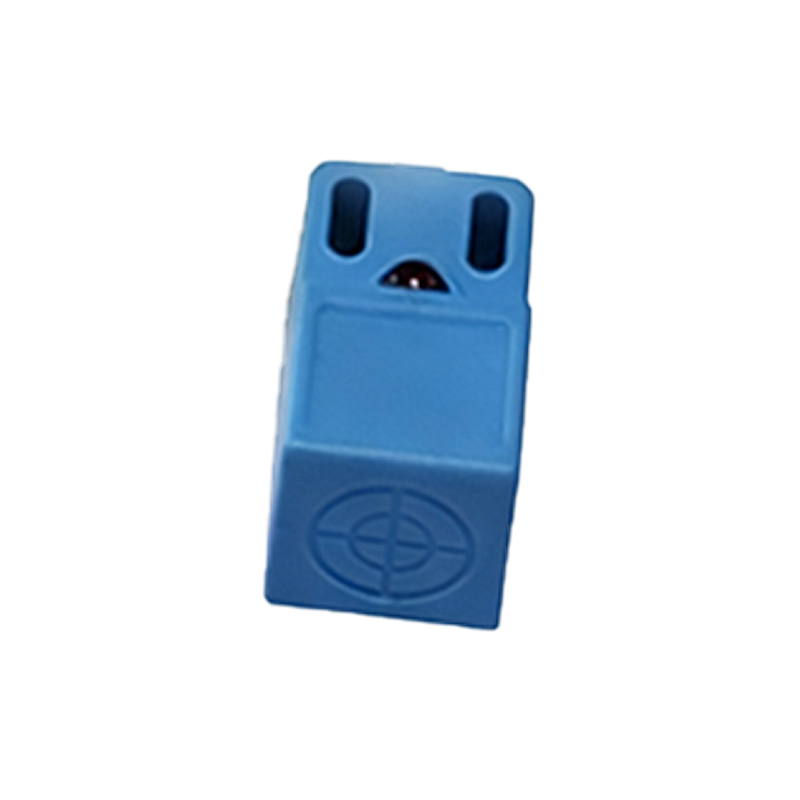
Choosing the right proximity sensor switch hinges on several key technical parameters. Sensing range, typically from a few millimeters to several tens of millimeters, must be matched to the application. The nature of the target material is crucial; inductive sensors, for instance, excel at detecting metals like steel and aluminum, while capacitive sensors can also sense non-metallic materials such as wood, plastic, or liquids. Environmental factors like temperature extremes, potential washdowns, or exposure to strong electromagnetic interference dictate the required housing material and protection rating (often denoted by IP codes). Furthermore, output configuration—whether it provides a simple on/off signal (digital) or a proportional analog signal—must align with the connected controller's requirements.
The evolution of these sensors continues to push boundaries. Modern iterations boast enhanced intelligence, with built-in diagnostics that can signal alignment issues or contamination. Miniaturization allows them to fit into ever-tighter spaces in compact electronics and medical devices. Furthermore, the integration of IO-Link and other industrial communication protocols transforms them from simple switches into smart devices capable of reporting detailed operational data, facilitating predictive maintenance and deeper process insights. This connectivity is a cornerstone of the Industrial Internet of Things (IIoT), where sensor data fuels optimization and efficiency.
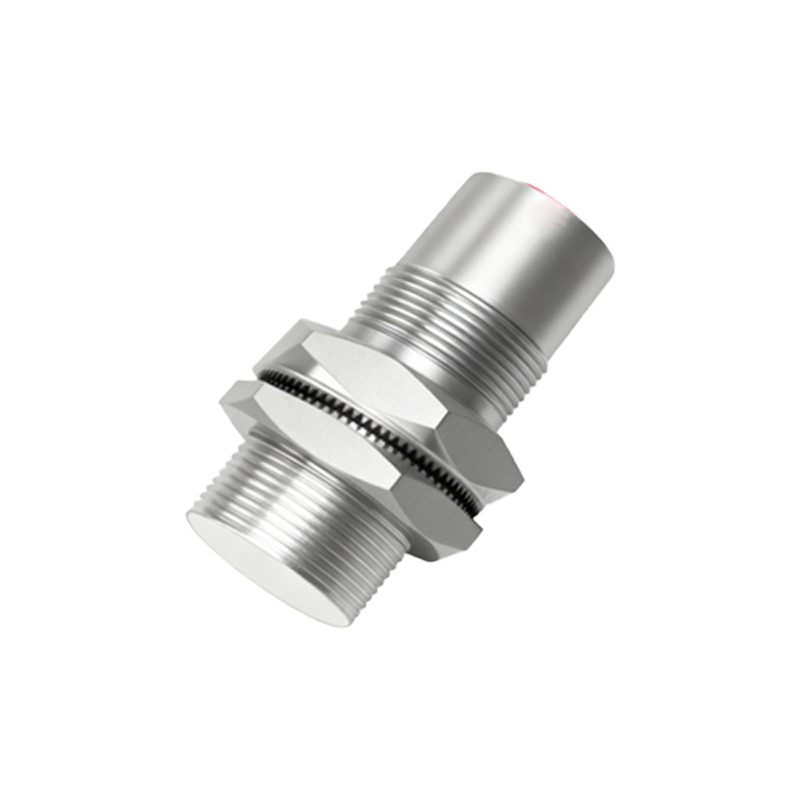
Despite their robustness, optimal performance requires mindful installation and maintenance. Proper alignment relative to the target is paramount, as is ensuring the target object is within the specified sensing range and material compatibility. Regular cleaning of the sensor face prevents false triggers caused by dust or grime buildup. Electrical considerations, such as correct wiring, voltage supply, and attention to load current, are non-negotiable for reliable operation and longevity. Understanding these practical aspects ensures that these invisible guardians perform their duty flawlessly, cycle after cycle.
In conclusion, proximity sensor switches are far more than mere switches. They are sophisticated, reliable, and versatile enablers of automation, safety, and convenience. From orchestrating complex industrial ballet to simplifying everyday interactions, their non-contact sensing principle provides a clean, durable, and highly effective solution. As technology marches toward greater autonomy and interconnectivity, the role of these unassuming components will only grow in significance, solidifying their status as the indispensable, invisible guardians of our automated world.