In the realm of electrical engineering and industrial automation, QS switches and QF proximity sensors play pivotal roles in ensuring safety, efficiency, and reliability. These components are integral to modern electrical systems, from manufacturing plants to commercial installations, yet their functions and applications are often misunderstood or conflated. This article delves into the technical specifications, operational principles, and best practices for utilizing QS switches and QF proximity sensors, providing a comprehensive guide for professionals in the field.
QS switches, commonly referred to as quick-switch or safety switches, are designed for rapid disconnection of electrical circuits. They are typically used in scenarios where immediate power cutoff is critical to prevent equipment damage or personal injury. Constructed with robust materials such as high-grade plastics or metals, QS switches feature a manual toggle or push-button mechanism that allows operators to quickly interrupt current flow. Their design emphasizes durability and resistance to environmental factors like dust, moisture, and temperature fluctuations, making them suitable for harsh industrial environments. Key applications include emergency stop systems, machinery control panels, and power distribution units. When selecting a QS switch, engineers must consider parameters like voltage rating, current capacity, and ingress protection (IP) ratings to ensure compatibility with specific operational demands.
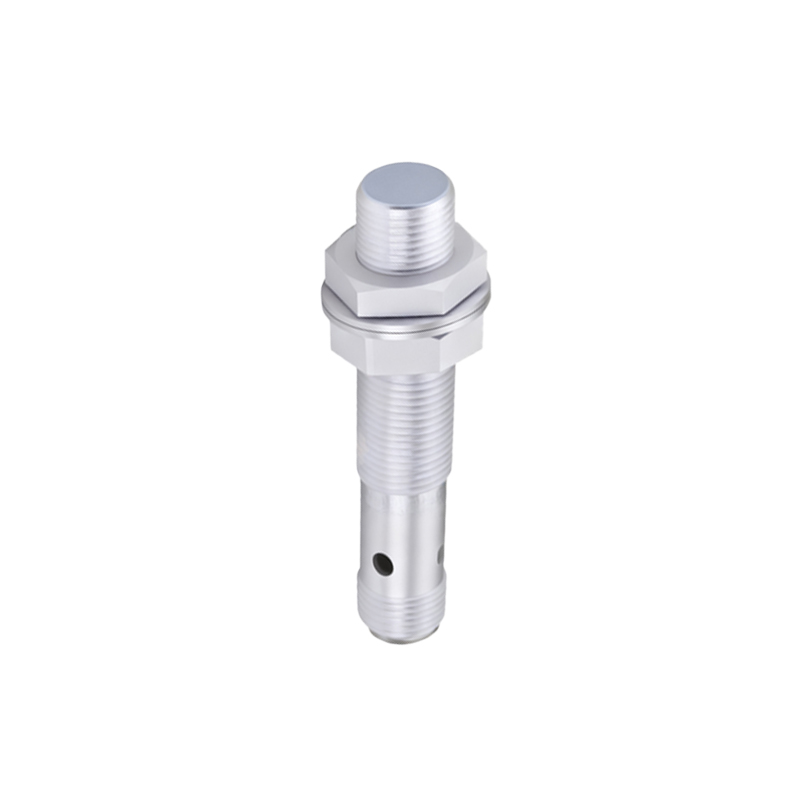
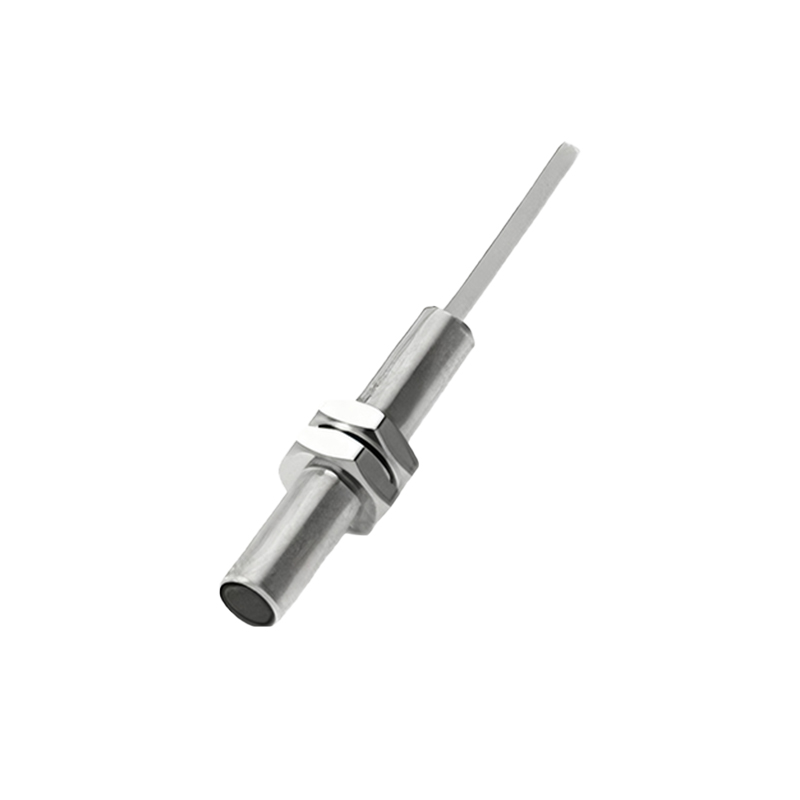
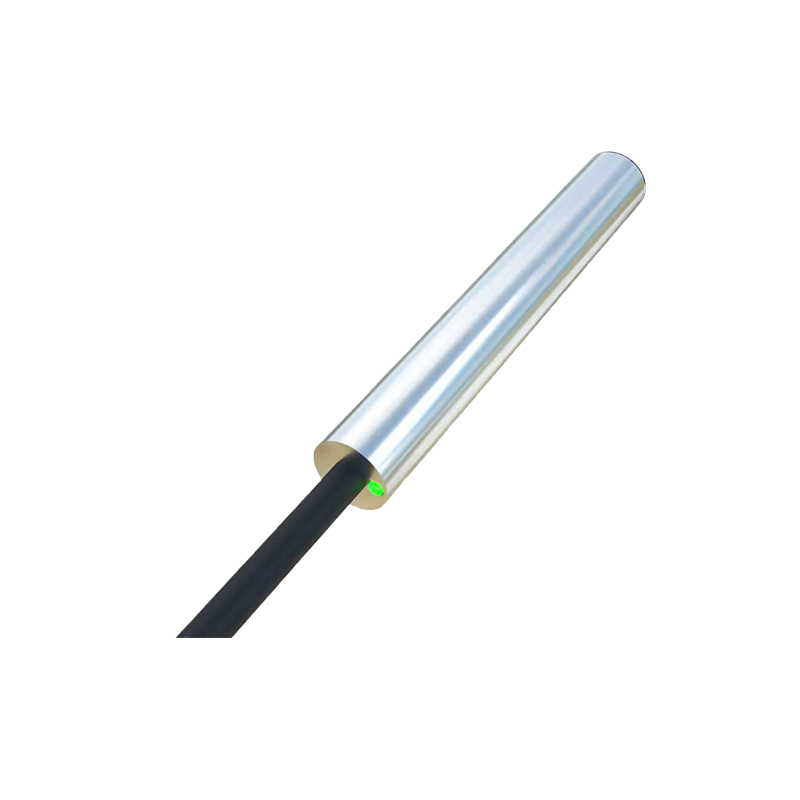
On the other hand, QF proximity sensors are non-contact devices that detect the presence or absence of objects within a defined range. These sensors operate based on electromagnetic, capacitive, or inductive principles, emitting a field or beam that, when disturbed by an object, triggers an electrical signal. QF sensors are prized for their precision and reliability, enabling automated systems to perform tasks such as object counting, position sensing, and limit switching without physical contact. This non-contact nature minimizes wear and tear, extending the lifespan of both the sensor and the machinery. Inductive QF sensors, for instance, are ideal for detecting metallic objects, while capacitive variants can sense non-metallic materials like plastics or liquids. Installation considerations include sensing distance, response time, and output type (e.g., PNP or NPN configurations), which must align with the control system's requirements.
Integrating QS switches and QF proximity sensors into electrical systems requires careful planning to optimize performance. For example, in an automated assembly line, QF sensors might monitor the position of components, sending signals to a programmable logic controller (PLC) that, in turn, uses QS switches to halt operations if an anomaly is detected. This synergy enhances safety by preventing collisions or jams, while also boosting productivity through seamless automation. Maintenance protocols should include regular testing of QS switches for mechanical integrity and electrical continuity, as well as calibration of QF sensors to ensure accurate detection. Common pitfalls to avoid include improper wiring, which can lead to false triggers or circuit failures, and neglecting environmental factors like electromagnetic interference that may affect sensor performance.
Industry standards, such as those set by the International Electrotechnical Commission (IEC) or Underwriters Laboratories (UL), provide guidelines for the selection and implementation of these components. Adhering to these standards not only ensures compliance but also mitigates risks associated with electrical hazards. As technology advances, innovations in QS switches and QF proximity sensors continue to emerge, including smart sensors with integrated diagnostics and wireless connectivity, offering enhanced monitoring capabilities. Professionals should stay informed about these developments to leverage cutting-edge solutions in their projects.
In summary, QS switches and QF proximity sensors are indispensable tools in electrical engineering, each serving distinct yet complementary purposes. By understanding their technical nuances and application scenarios, engineers can design safer, more efficient systems that meet the evolving demands of industry. Whether for routine maintenance or new installations, a thorough grasp of these components contributes to operational excellence and long-term reliability.