In the world of industrial automation and consumer electronics, the need for reliable, non-contact object detection is paramount. Among the various technologies available, CMOS sensor proximity switches have carved out a significant niche, offering a unique blend of performance, cost-effectiveness, and versatility. Unlike inductive or capacitive proximity sensors that detect objects based on electromagnetic fields or changes in capacitance, CMOS-based switches utilize a fundamentally different principle rooted in optical sensing.
At its core, a CMOS (Complementary Metal-Oxide-Semiconductor) sensor proximity switch is an optoelectronic device. It typically consists of an integrated light source, often an infrared LED, and a CMOS image sensor or photodiode array. The basic operational principle involves emitting a beam of light, usually modulated at a specific frequency to reduce ambient light interference, and then analyzing the reflected signal. When an object enters the predefined sensing range, it reflects the emitted light back to the CMOS sensor. The sensor's circuitry detects this change in the reflected light pattern or intensity and triggers a switching output—either a digital signal (PNP/NPN) or a solid-state relay closure.
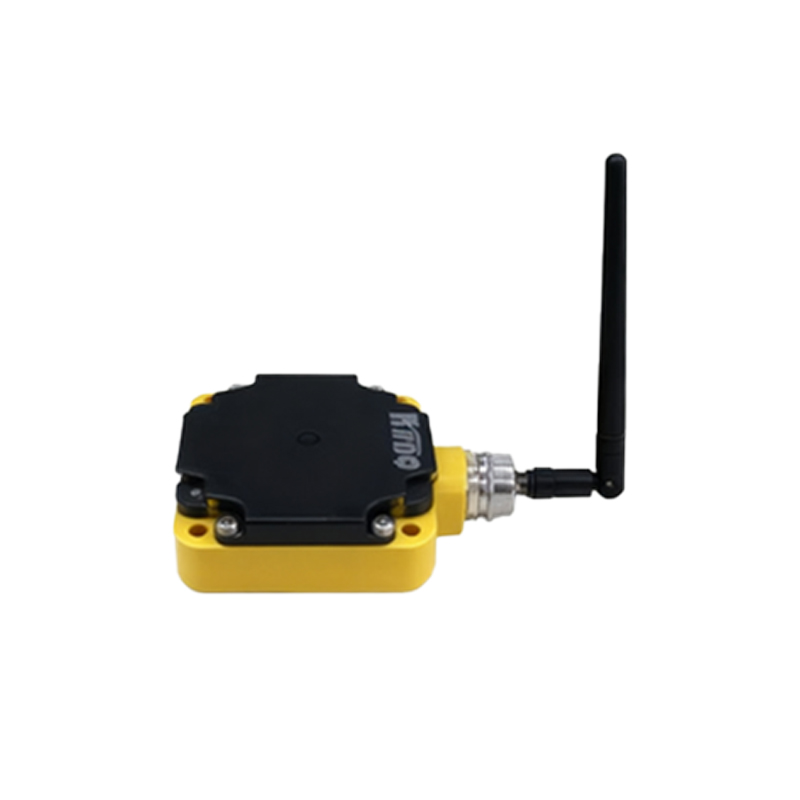
The advantages of using CMOS technology for proximity sensing are substantial. First and foremost is precision. CMOS sensors can be designed to detect objects with high spatial resolution, allowing for very accurate positioning or the detection of very small objects. They are largely insensitive to the material properties of the target object. Whether the object is metallic, plastic, glass, or liquid, if it reflects light, it can be detected. This makes them far more versatile than inductive sensors, which only detect metals. Furthermore, CMOS proximity switches can offer longer sensing distances compared to many other photoelectric sensors, with some models capable of detecting objects several meters away. Their response time is exceptionally fast, often in the microsecond range, making them suitable for high-speed counting or sorting applications.

The applications for CMOS sensor proximity switches are diverse and span multiple industries. In automated packaging lines, they are indispensable for detecting the presence of products on conveyors, ensuring proper filling levels, or counting items. Within the automotive manufacturing sector, they are used for precise part positioning, robot guidance, and verifying assembly steps. The consumer electronics industry relies on them heavily; the familiar screen blanking feature during a phone call is enabled by a miniaturized CMOS proximity sensor that detects when the phone is near your ear. In logistics and warehousing, these switches monitor material flow, control automated guided vehicles (AGVs), and manage inventory systems. They are also found in security systems for presence detection and in printing machinery for paper edge detection.
When selecting a CMOS proximity switch for a specific application, several key parameters must be considered. The sensing range is critical and must match the physical requirements of the setup. The type of light source (infrared, red, laser) influences the sensing characteristics; infrared is common for its invisibility and resistance to interference, while laser versions provide a precise, focused beam for long-range or small-object detection. The output configuration must be compatible with the controller (PLC, microcontroller). Environmental robustness is another vital factor. Many industrial-grade switches feature rugged housings with high Ingress Protection (IP) ratings (e.g., IP67) to withstand dust, moisture, and mechanical vibration. Operating temperature ranges must also be suitable for the installation environment.
Looking ahead, the evolution of CMOS sensor proximity switches is intertwined with broader trends in sensor technology. Integration is a key direction, with future switches likely to incorporate more onboard intelligence, such as programmable logic, IO-Link communication for digital parameter setting and diagnostics, and even rudimentary vision capabilities for simple shape or color discrimination. Power consumption continues to decrease, making them ideal for battery-operated devices. The miniaturization trend allows for their incorporation into ever-smaller products and tighter machinery spaces.
In conclusion, CMOS sensor proximity switches represent a sophisticated and adaptable solution for non-contact detection. By leveraging optical principles through modern semiconductor technology, they provide a reliable, material-independent, and precise method for sensing object presence across a vast array of demanding environments. From the factory floor to the smartphone in your pocket, their role in enabling automation and enhancing functionality continues to grow, solidifying their position as a cornerstone of modern sensing technology.