In the realm of industrial automation and smart systems, proximity sensors play a pivotal role in enabling non-contact detection of objects. Among the various types available, ceramic proximity sensors stand out for their unique combination of durability, precision, and reliability. This guide delves into the technology behind these sensors, their operational principles, key advantages, and diverse applications across industries.
Ceramic proximity sensors utilize a sensing face typically made from high-grade alumina or other advanced ceramic materials. This ceramic element is integral to the sensor's function, often housing the oscillator, coil, and detection circuitry. The core working principle is based on electromagnetic induction. The sensor generates an oscillating electromagnetic field from its ceramic face. When a metallic target enters this field, eddy currents are induced on the target's surface. This causes a change in the oscillation amplitude or frequency within the sensor's circuit, which is then detected and converted into a switching signal. For non-metallic target detection, capacitive versions are employed, where the ceramic face acts as one plate of a capacitor, detecting changes in capacitance as an object nears.
The choice of ceramic as the primary material is not incidental. It offers a suite of properties that directly enhance sensor performance and longevity. Firstly, ceramics exhibit exceptional resistance to wear, abrasion, and mechanical impact. In harsh environments where sensors are exposed to flying debris, constant scraping, or high-pressure washdowns, a metal face would quickly degrade. A ceramic face maintains its integrity, ensuring consistent sensing distance and performance over time. Secondly, ceramics are highly resistant to a vast array of chemicals, solvents, and corrosive agents. This makes them ideal for use in chemical processing plants, food and beverage production, and marine applications where exposure to acids, alkalis, or saltwater is common. Furthermore, ceramics can withstand extreme temperatures, both high and low, where plastic-bodied sensors would fail. Their excellent dielectric strength also provides superior electrical insulation, enhancing safety and stability.
When selecting a ceramic proximity sensor, several technical specifications are critical. The sensing distance, often rated for a standard mild steel target, is a primary factor. It's important to note that the sensing range can vary for different metals; for instance, aluminum typically reduces the effective range. The housing style is another consideration, with cylindrical (threaded barrel) and rectangular block forms being most common, allowing for easy installation in machinery. Output types include NPN (sinking), PNP (sourcing), and analog (4-20mA or 0-10V) configurations to interface with different control systems like PLCs. Many modern sensors also feature built-in protection against short-circuits, overloads, and reverse polarity, along with LED status indicators for diagnostics.
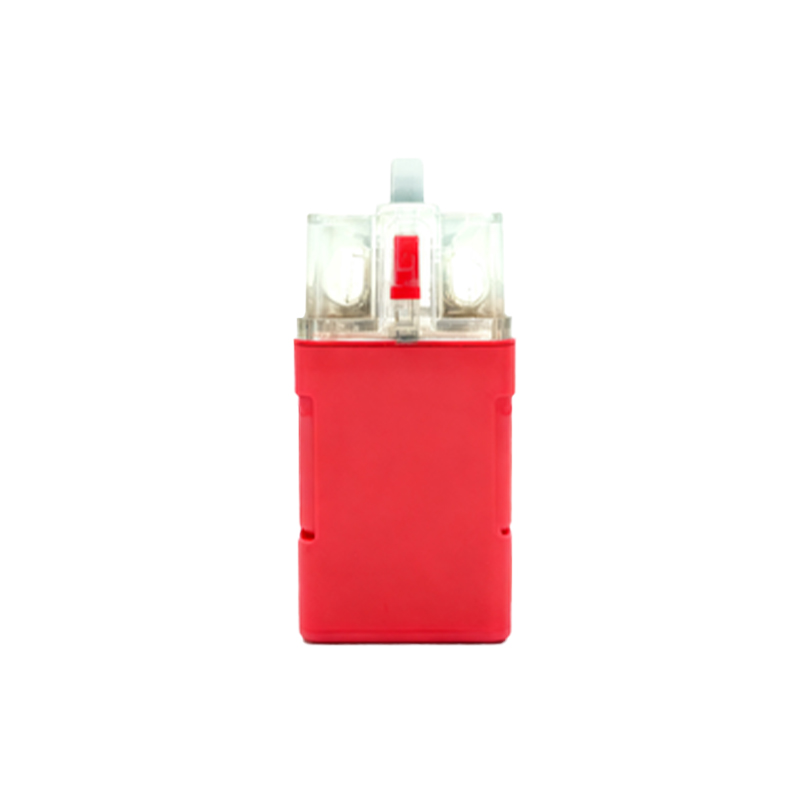
The robustness of ceramic proximity sensors unlocks their potential in demanding applications. In heavy machinery and automotive manufacturing, they reliably detect the position of metal parts on conveyor lines, in welding robots, and in stamping presses, unaffected by vibration, oil, and coolant. The food and pharmaceutical industries leverage their hygienic, non-porous surface which can be easily cleaned and sterilized, using them to detect containers, control fill levels, or count products. In aggressive environments like mining, steel mills, or foundries, they monitor equipment where dust, heat, and mechanical shock are ever-present challenges. They are also found in outdoor applications, such as monitoring gate positions or vehicle detection, where they resist weathering and temperature fluctuations.
To ensure optimal performance, proper installation and maintenance are key. The sensor should be mounted securely to minimize vibration. It is crucial to maintain the recommended clearance around the sensing face to prevent interference from surrounding metal (the "flush-mountable" feature of many models helps here). For capacitive sensors detecting non-metallics, environmental factors like humidity or material composition changes can affect sensitivity, which may require periodic adjustment. While ceramic sensors are largely maintenance-free, regular visual checks for physical damage or buildup of contaminant layers on the face are good practice.
In conclusion, ceramic proximity sensors represent a high-performance solution for object detection where environmental toughness is non-negotiable. Their marriage of sophisticated sensing electronics with the almost inert durability of ceramic materials provides a level of reliability that plastic or standard metal-housed sensors cannot match. As industries continue to push the boundaries of automation in tougher conditions, the role of these resilient sensors is set to become even more central, ensuring precise, contactless operation where it matters most.