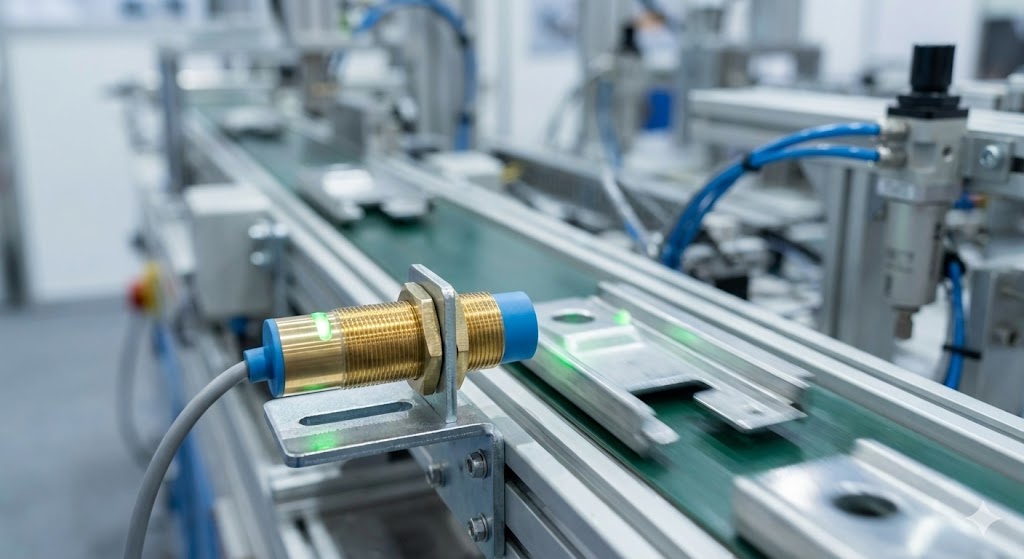
In the intricate world of industrial automation, the reliability of a production line often hinges on the smallest components. Among these, proximity switch sensors play a pivotal role, acting as the silent sentinels that detect the presence or absence of objects without physical contact. Selecting the right proximity switch sensor manufacturer is not merely a procurement decision; it is a strategic choice that impacts operational efficiency, safety, and long-term cost management. This guide outlines the critical factors to consider when partnering with a manufacturer for these essential devices.
The foundation of a great manufacturer lies in their technical prowess and product portfolio. A reputable manufacturer offers a comprehensive range of sensors, including inductive, capacitive, ultrasonic, and photoelectric types. Each technology serves distinct applications—inductive sensors for metals, capacitive for liquids and non-metals, and so on. The ability to provide the right sensor for specific environmental challenges, such as extreme temperatures, high-pressure washdowns, or exposure to corrosive chemicals, is paramount. Look for manufacturers that invest in research and development, consistently innovating to offer sensors with longer sensing ranges, higher switching frequencies, and enhanced immunity to electromagnetic interference.
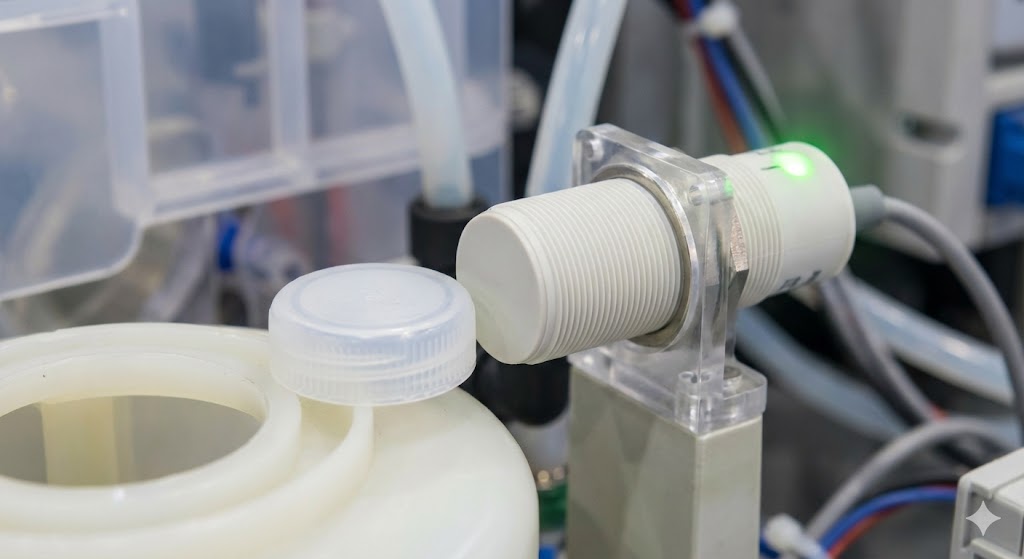
Quality and consistency are non-negotiable. The manufacturing process should adhere to stringent international standards, such as ISO 9001, which governs quality management systems. Inquire about the testing protocols each sensor undergoes before leaving the factory. Reliability in harsh industrial environments is critical; a sensor failure can lead to costly downtime. Manufacturers that provide detailed specifications, performance graphs, and clear environmental ratings (like IP67 or IP69K for ingress protection) demonstrate transparency and confidence in their product durability. Certifications from global bodies for specific industries, like automotive or food and beverage, are strong indicators of compliant and reliable design.
Beyond the product itself, technical support and customization capabilities differentiate a good supplier from a great partner. The ideal manufacturer provides extensive application engineering support. Their experts should be able to help you select the correct sensor, design it into your system, and troubleshoot installation issues. For unique applications requiring non-standard sensing distances, housing materials, or output configurations, the manufacturer's willingness and ability to offer customized solutions is invaluable. This flexibility ensures that the sensor integrates seamlessly into your machinery, optimizing performance.
The commercial aspects of the partnership are equally important. Evaluate the manufacturer's global supply chain resilience and logistics network. Consistent availability of products and spare parts minimizes production risks. A clear and fair pricing structure, coupled with comprehensive warranty terms, protects your investment. Consider the total cost of ownership, which includes not just the unit price but also factors like installation ease, maintenance requirements, and the sensor's lifespan. Manufacturers with a strong distributor and representative network ensure you have local support for faster service and replacement.
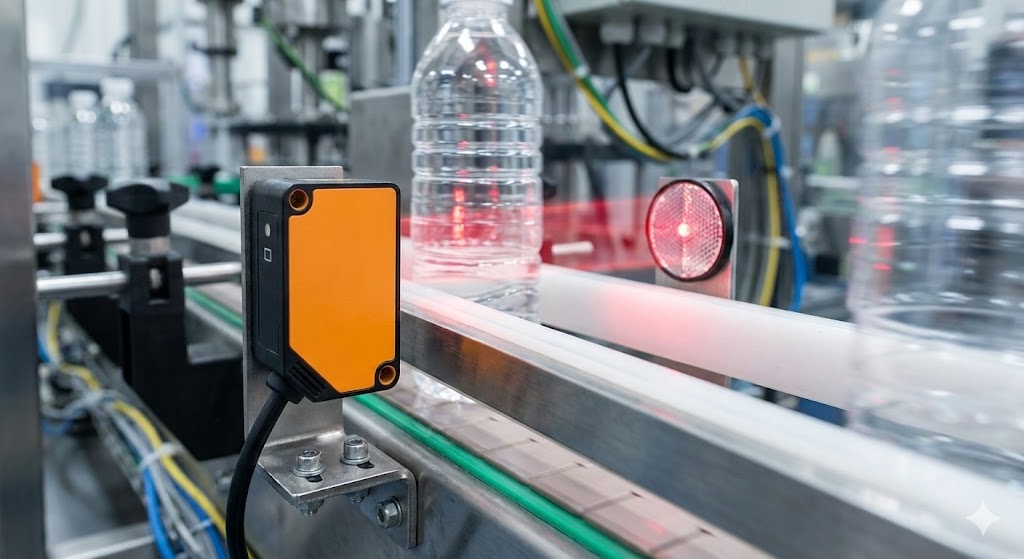
Finally, assess the manufacturer's reputation and industry footprint. Longevity in the market often correlates with accumulated expertise and refined processes. Seek out customer testimonials, case studies, and peer reviews. A manufacturer with a proven track record in your specific sector—be it packaging, material handling, automotive assembly, or metalworking—brings valuable application-specific knowledge to the table. Their experience in solving challenges similar to yours can prevent common pitfalls and accelerate implementation.
In conclusion, selecting a proximity switch sensor manufacturer requires a holistic view. It involves scrutinizing product technology and quality, valuing engineering support and customization, understanding supply chain stability, and trusting in a proven industry reputation. By prioritizing these factors, you move beyond buying a simple component to establishing a partnership that enhances the intelligence, reliability, and productivity of your automated operations for years to come. The right manufacturer becomes an integral part of your success, ensuring that these critical sensors perform flawlessly, cycle after cycle.