In the world of industrial automation and smart devices, the ability to detect the presence or absence of an object without physical contact is paramount. Proximity photoelectric sensors are the silent workhorses that make this possible. Unlike their inductive or capacitive counterparts that detect metals or materials based on electrical properties, photoelectric sensors use light beams, offering unique advantages in range, versatility, and precision.
At its core, a proximity photoelectric sensor consists of two main components: an emitter (light source) and a receiver (photodetector). The emitter projects a beam of light—often infrared, red LED, or laser—towards a target area. The receiver is designed to detect changes in this light beam. The principle of operation hinges on how the emitted light interacts with the target object. There are three primary sensing modes, each suited for different applications.
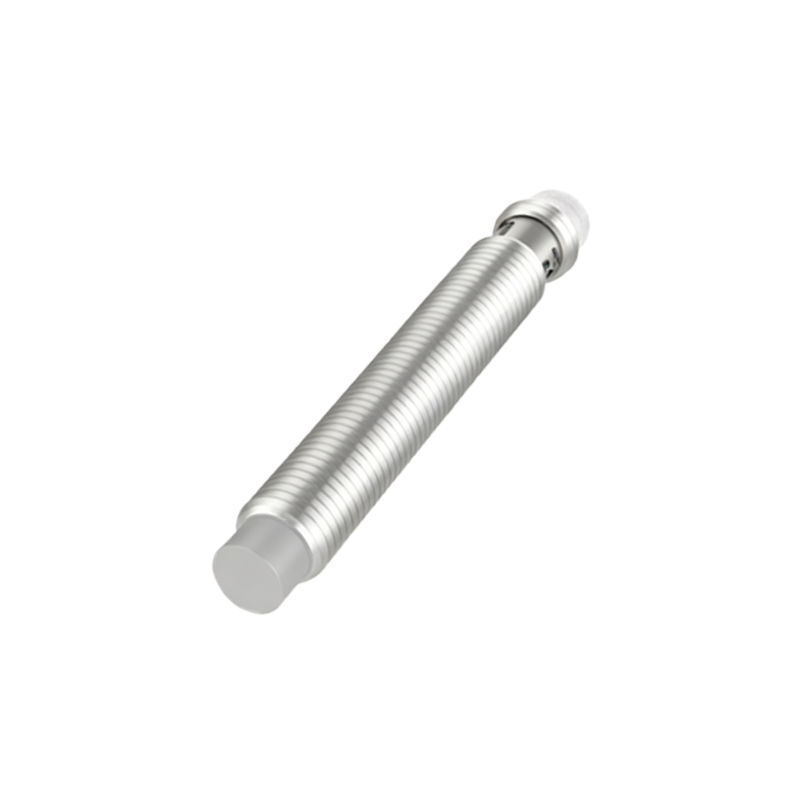
The first and most common is the diffuse reflective mode. Here, both the emitter and receiver are housed in the same unit. The sensor detects an object when the emitted light beam reflects off the object's surface and returns to the receiver. This mode is ideal for detecting non-reflective objects at short to medium ranges. Factors like color, texture, and material affect the reflectivity, which must be considered during setup.
The second mode is retro-reflective. The sensor unit contains both emitter and receiver, but it relies on a separate reflector, typically a prismatic tape or mirror, placed opposite the sensor. The light beam travels to the reflector and bounces back to the receiver. An object is detected when it interrupts this beam. This mode offers longer sensing distances than diffuse and is less sensitive to the object's surface properties, as it only needs to break the beam.
The third mode is through-beam, also known as opposed mode. This configuration uses two separate units: an emitter and a receiver facing each other. Detection occurs when an object passes between them, blocking the light beam. This is the most reliable and longest-range mode, capable of detecting virtually any object that obstructs the light, regardless of color, transparency, or material. It is often used in high-precision or safety-critical applications.
The choice of light source is critical. Infrared LEDs are common for their invisibility and immunity to ambient light interference. Red LED sensors provide a visible beam for easier alignment. Laser sensors offer extremely focused beams for detecting very small objects or achieving precise positioning over long distances.
The applications of proximity photoelectric sensors are vast and span numerous industries. In manufacturing and packaging lines, they count bottles, detect labels, and verify the presence of components on conveyor belts. In the automotive sector, they ensure robotic arms are correctly positioned for welding or assembly. Within consumer electronics, they enable features like automatic screen dimming in smartphones when held to the ear. They are also fundamental in automated door systems, material handling, and even in agricultural equipment for monitoring crop levels.
Selecting the right sensor requires a careful analysis of the operating environment and the task. Key factors include sensing distance, required response time, the size and material of the target object, and environmental conditions such as dust, fog, or ambient light. For instance, a dusty warehouse might require a sensor with a high IP rating for dust protection and a modulated light source to ignore ambient light noise. For detecting clear glass bottles, a through-beam sensor with a high-frequency modulated beam would be necessary to reliably see the transparent material.
Installation and alignment are also crucial for optimal performance. Proper mounting ensures the beam is correctly oriented. Many modern sensors feature built-in alignment indicators (like LED status lights) or teach-in functions that simplify setup. Regular maintenance, such as cleaning the lens from dirt and debris, is essential to prevent false triggers or detection failures.
In conclusion, proximity photoelectric sensors are indispensable tools for non-contact object detection. Their versatility, derived from different operating modes and light technologies, allows them to solve a myriad of challenges across diverse fields. By understanding their working principles and carefully matching the sensor specifications to the application requirements, engineers and technicians can build more reliable, efficient, and intelligent automated systems. As technology advances, we can expect these sensors to become even smaller, more energy-efficient, and smarter, with integrated diagnostics and connectivity for the Industrial Internet of Things (IIoT).