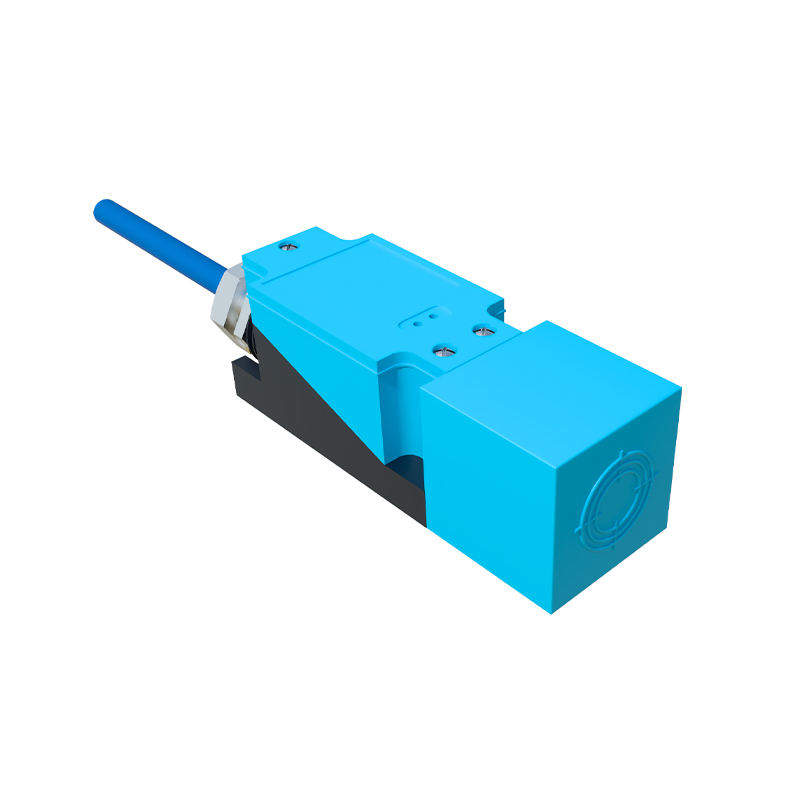
Proximity sensors are electronic devices designed to detect the presence or absence of objects within a certain range without any physical contact. They are widely used across various industries due to their reliability, durability, and ability to operate in harsh environments. This article explores the common types of proximity sensors and their practical applications.
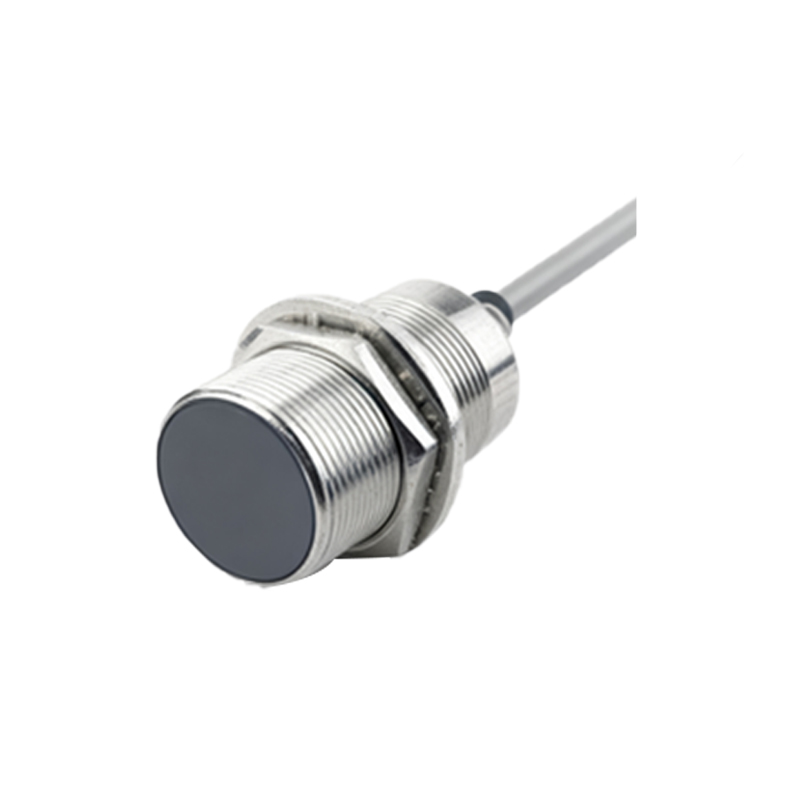
The first category is inductive proximity sensors. These sensors generate an electromagnetic field and detect changes caused by metallic objects. They are highly effective for detecting metals like iron, steel, aluminum, and copper. Inductive sensors are commonly found in industrial automation, such as in conveyor systems, machine tools, and robotic arms. Their key advantages include high switching frequency, resistance to environmental factors like dust or moisture, and long operational life.
Another widely used type is capacitive proximity sensors. Unlike inductive sensors, capacitive variants can detect both metallic and non-metallic materials, including liquids, plastics, glass, and wood. They work by measuring changes in capacitance when an object enters their electrostatic field. This makes them suitable for applications like level detection in tanks, material handling, and touch-sensitive interfaces. However, they may be influenced by environmental conditions such as humidity.
Ultrasonic proximity sensors utilize sound waves to detect objects. They emit high-frequency ultrasonic pulses and measure the time taken for the echo to return. These sensors can detect a wide range of materials regardless of color, transparency, or surface texture. Common uses include distance measurement, object positioning, and collision avoidance in vehicles or automated guided vehicles (AGVs). They perform well in challenging environments but may be affected by temperature variations or acoustic interference.
Optical proximity sensors, also known as photoelectric sensors, use light beams to detect objects. They consist of a light emitter (usually LED or laser) and a receiver. When an object interrupts or reflects the light beam, the sensor triggers a response. These sensors are ideal for detecting small objects, precise positioning, and high-speed applications. They are frequently employed in packaging machinery, printing presses, and security systems. However, they can be sensitive to ambient light or dirty conditions.
Magnetic proximity sensors detect the presence of magnetic fields, typically from permanent magnets. They are often used in applications where reliability is critical, such as in safety interlocks, door position sensing, or automotive systems. Hall effect sensors and reed switches are common examples. These sensors are simple, cost-effective, and immune to non-magnetic interference.
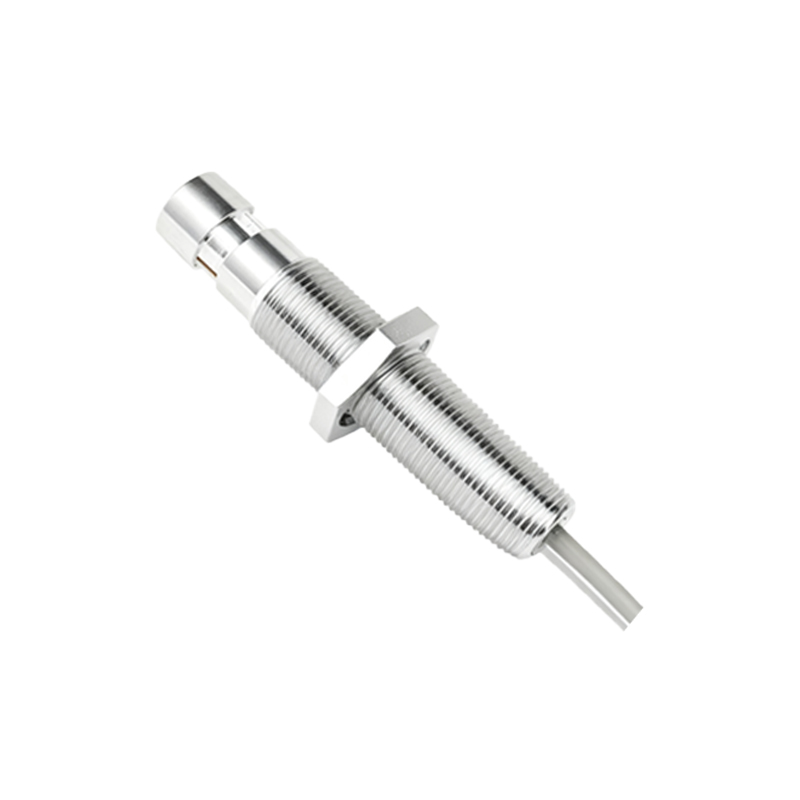
In summary, proximity sensors play a vital role in modern technology and automation. Selecting the right type depends on factors like the target material, environmental conditions, required range, and application specifics. From manufacturing and automotive to consumer electronics and healthcare, these sensors enhance efficiency, safety, and functionality. As technology advances, proximity sensors continue to evolve with improved accuracy, miniaturization, and connectivity features.