Ultrasonic proximity sensors have become a cornerstone technology in modern industrial automation, robotics, and automotive systems. Their ability to measure speed non-invasively and with high reliability makes them indispensable in numerous applications. Unlike optical or inductive sensors, ultrasonic sensors operate by emitting high-frequency sound waves, typically above 20 kHz, which are inaudible to humans. These waves travel through the air until they encounter an object. Upon striking the object, the sound waves reflect back to the sensor. The core principle for speed measurement lies in calculating the time difference between the emission and reception of these ultrasonic pulses, known as the Time-of-Flight (ToF).
The process begins with the sensor's transducer emitting a short burst of ultrasonic waves. A timer starts simultaneously. When the echo returns, the timer stops. The elapsed time represents the round-trip journey of the sound wave. Since the speed of sound in air is relatively constant under known environmental conditions (approximately 343 meters per second at 20°C), the distance to the object can be precisely calculated using the formula: Distance = (Speed of Sound × Time of Flight) / 2. The division by two accounts for the wave traveling to the object and back.
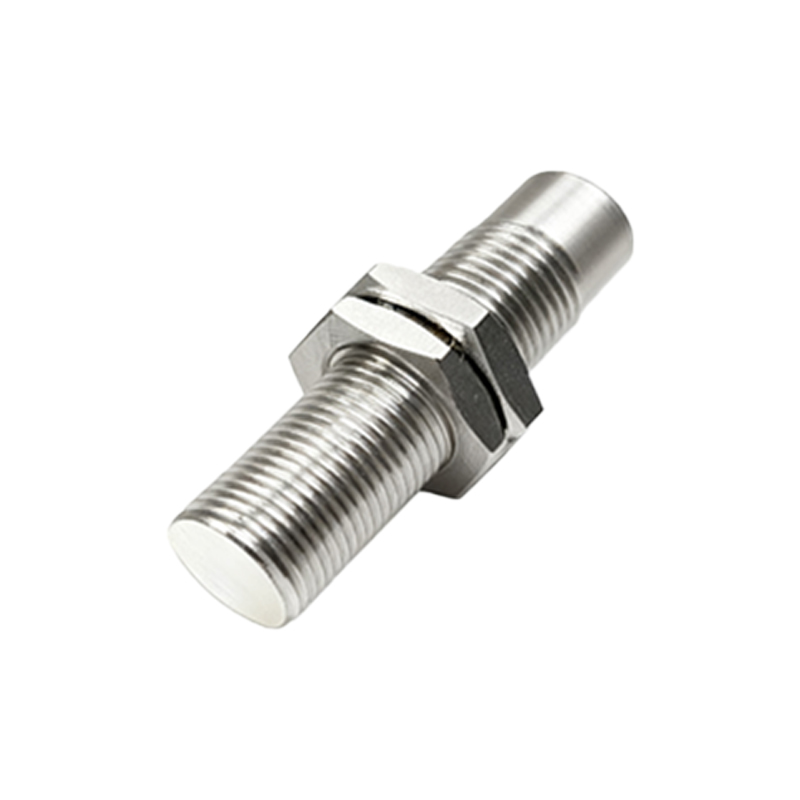
For speed measurement, this distance calculation is performed repeatedly at high frequency. By taking consecutive distance measurements over known, very short time intervals, the sensor can determine the rate of change of distance—which is, by definition, speed. This method is known as the differential or derivative method. For instance, if a sensor captures the position of a moving vehicle at time t1 and then again at time t2, the speed (v) is derived as v = (d2 - d1) / (t2 - t1), where d1 and d2 are the respective distances. Advanced sensors perform these calculations internally using integrated microprocessors, providing a direct speed output signal.
The advantages of using ultrasonic sensors for speed measurement are significant. They are unaffected by the color, transparency, or optical properties of the target object, making them suitable for detecting clear glass, liquids, or dark surfaces that often challenge optical sensors. They perform reliably in dusty, foggy, or lightly smoky environments where laser-based systems might fail. Furthermore, they are generally cost-effective, robust, and require minimal maintenance. Common applications include monitoring conveyor belt speeds in packaging lines, measuring the speed of autonomous guided vehicles (AGVs) in warehouses, assessing vehicle speed in traffic monitoring systems, and controlling the rotational speed of machinery.
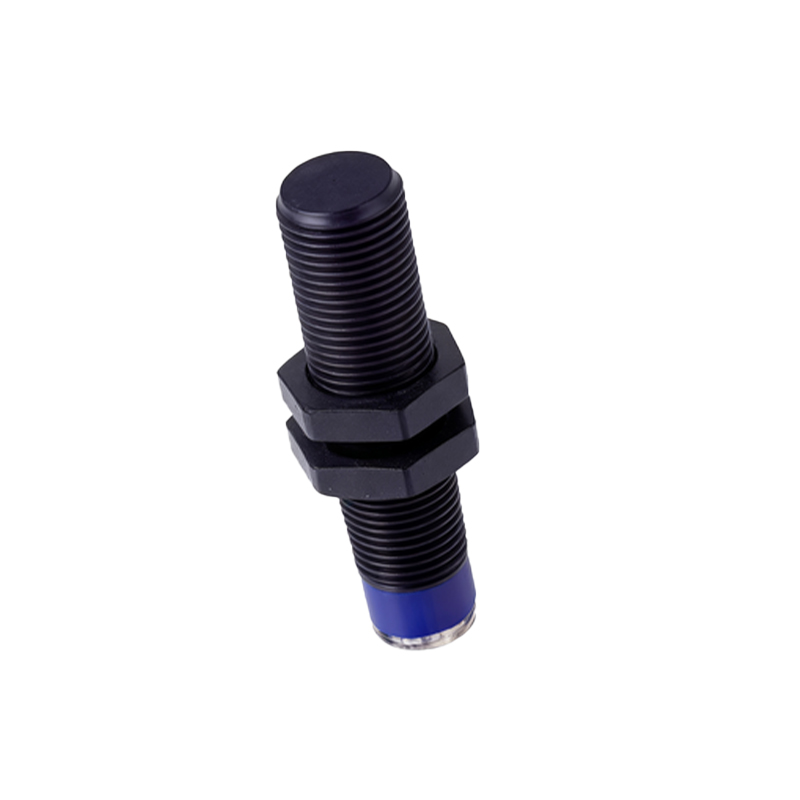
However, several factors influence their accuracy and must be carefully managed. The speed of sound is not a universal constant; it varies with air temperature, humidity, and pressure. A change in temperature of 10°C can alter the speed of sound by about 6 meters per second, leading to measurement drift. High-end ultrasonic sensors often incorporate temperature sensors to automatically compensate for this variation. The angle of the target is also critical. For optimal reflection, the target surface should be perpendicular to the ultrasonic beam. Highly angled or acoustically absorbent surfaces can weaken the echo signal. Additionally, background acoustic noise or "crosstalk" from other nearby ultrasonic devices can interfere with signal detection. Modern sensors employ coded signal transmission and advanced filtering algorithms to mitigate such interference.
When integrating an ultrasonic sensor for a speed measurement task, key specifications must be evaluated. The measuring range defines the minimum and maximum distances over which the sensor can operate effectively. The response time or update rate determines how quickly the sensor can take new measurements, which directly impacts its ability to track fast-moving objects. The beam angle dictates the width of the detection cone; a narrower beam offers better resolution for small targets, while a wider beam is more forgiving for alignment. Output options, such as analog voltage (0-10V), current (4-20 mA), or digital interfaces (IO-Link, RS-485), provide flexibility for connecting to programmable logic controllers (PLCs) or data acquisition systems.
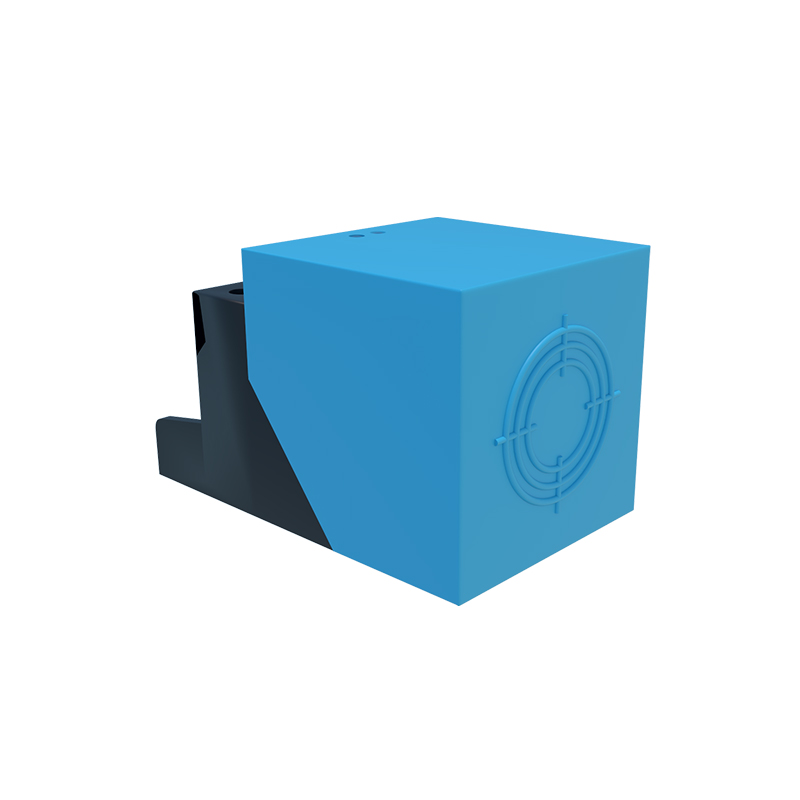
In practice, successful deployment requires correct installation. The sensor should be mounted securely to minimize vibration, which can introduce noise into the measurements. It is crucial to ensure a clear "acoustic window" free from obstructions like wires or mounting hardware that could cause false early reflections. For speed measurement on conveyors, the sensor is typically aimed at the product or a dedicated reflector on the belt itself. Regular maintenance involves checking the transducer face for dust or debris accumulation and verifying calibration, especially if the operating environment changes seasonally.
Looking ahead, the fusion of ultrasonic sensing with other technologies like inertial measurement units (IMUs) or machine learning algorithms is enhancing capability. These hybrid systems can provide more robust speed and trajectory data, even in complex scenarios with multiple moving parts. As industries push for greater precision and autonomy, the role of ultrasonic proximity sensors in speed measurement continues to evolve, solidifying their status