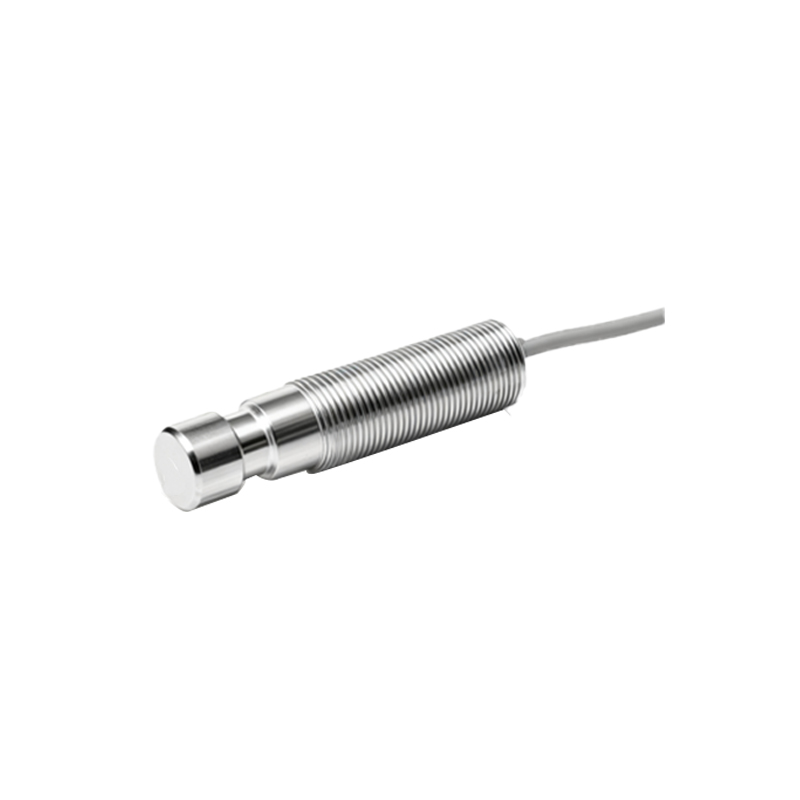
Proximity sensors are widely used in industrial automation, robotics, and consumer electronics to detect the presence or absence of objects without physical contact. One of the most common questions from engineers, technicians, and hobbyists is: "How many wires does a proximity sensor have?" The answer depends on the sensor type, output configuration, and power requirements. Generally, proximity sensors come with 2, 3, or 4 wires, each serving a specific function in the circuit.
Two-wire proximity sensors are the simplest design. They integrate the power supply and output signal into the same two wires, making installation straightforward and reducing wiring complexity. These sensors are commonly used in AC or DC applications and are known for their durability. However, they may have higher residual current and voltage drop issues compared to other types. In a two-wire setup, both wires are connected in series with the load, and the sensor modulates the current flow to indicate detection.
Three-wire proximity sensors are the most popular in industrial settings. They feature separate wires for power supply, ground, and output signal. This design allows for more stable operation, lower residual current, and compatibility with programmable logic controllers (PLCs). Typically, the wires are color-coded: brown for positive voltage (e.g., +24V DC), blue for ground (0V), and black for the output signal. The output can be either NPN (sinking) or PNP (sourcing), which determines how the sensor interfaces with control systems. NPN sensors switch the negative side of the load, while PNP sensors switch the positive side, affecting wiring and compatibility.
Four-wire proximity sensors add an additional output wire, often providing both normally open (NO) and normally closed (NC) contacts. This configuration offers greater flexibility for control logic, allowing users to choose between NO or NC operation based on the application. For example, in safety systems, an NC configuration might be preferred to trigger an alarm if the wire is cut. The four wires typically include power (brown), ground (blue), and two output wires (black and white). Some models also include separate wires for analog output or diagnostic functions.
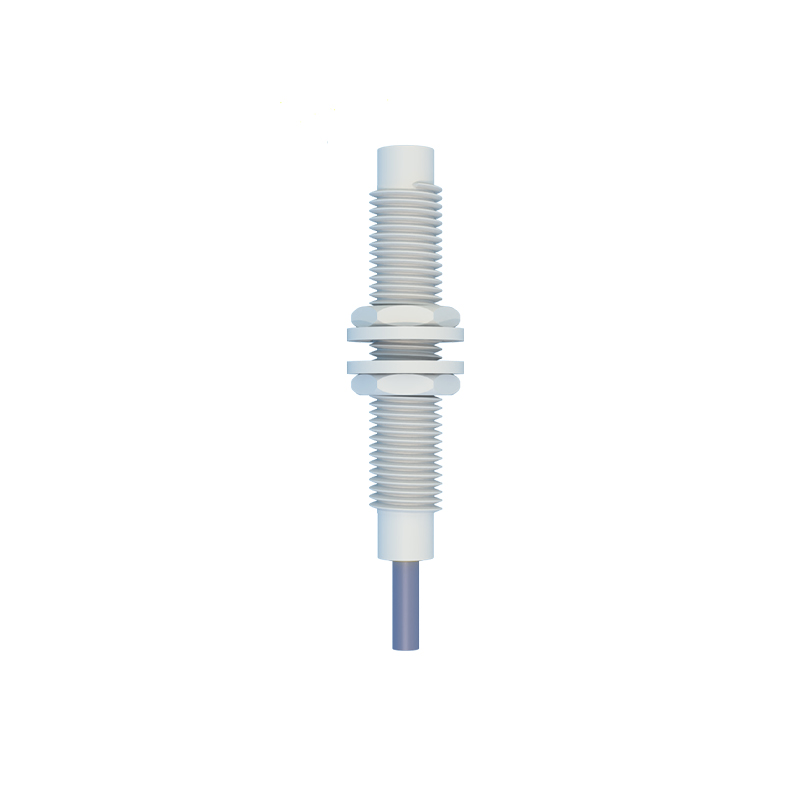
Selecting the right wire configuration depends on the application requirements. Two-wire sensors are cost-effective for simple on/off detection, while three-wire sensors provide reliability for complex automation tasks. Four-wire sensors are ideal for systems requiring dual outputs or fail-safe features. When installing any proximity sensor, it is crucial to refer to the manufacturer's datasheet for wiring diagrams, voltage ratings, and output specifications. Incorrect wiring can lead to sensor damage, false triggers, or system failures.
In summary, proximity sensors typically have 2, 3, or 4 wires, each designed to meet specific operational needs. Understanding these configurations helps ensure proper integration, optimal performance, and longevity in diverse industrial and electronic applications.