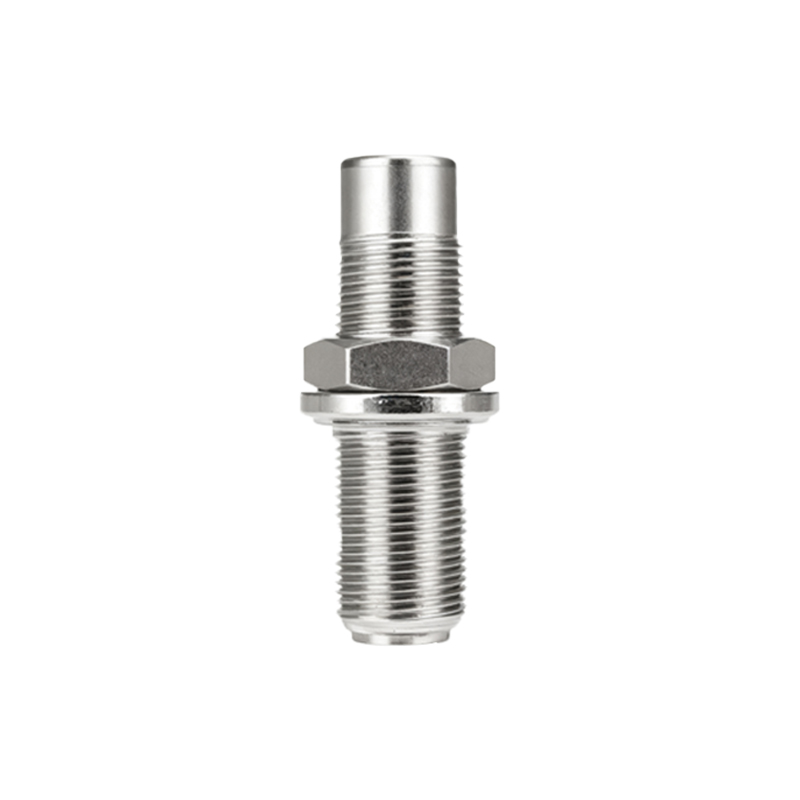
In the realm of industrial automation, reliable and precise object detection is paramount. Among the diverse array of sensors available, the yellow proximity switch sensor stands out as a robust and widely utilized component. Characterized by its distinctive yellow housing, this sensor is not merely a color-coded variant but often signifies specific performance characteristics or housing materials designed for challenging environments. These non-contact sensors operate by generating an electromagnetic field, detecting the presence or absence of a target object without physical contact, thereby minimizing wear and tear.
The fundamental principle behind an inductive proximity switch, which most yellow-housed sensors are, is electromagnetic induction. The sensor's oscillator generates a fluctuating magnetic field. When a metallic object enters this field, eddy currents are induced on the object's surface. This causes a change in the oscillation amplitude, which is detected by the sensor's circuitry, triggering a solid-state output signal. This signal can then be used to control machinery, count items, or signal a robotic arm. The yellow housing is frequently associated with sensors made from materials like PBT or other robust plastics that offer enhanced resistance to oils, coolants, and chemical splashes commonly found in manufacturing plants, machining centers, and automotive assembly lines.
A key advantage of these sensors is their exceptional durability. The non-contact nature eliminates mechanical failure points associated with limit switches. They are sealed to high ingress protection (IP) ratings, such as IP67 or IP69K, making them resistant to dust and high-pressure washdowns. This is crucial in food processing, pharmaceutical, and other hygiene-critical industries where equipment must be cleaned regularly. Furthermore, yellow sensors often feature stable performance across a wide temperature range, ensuring consistent operation in both hot and cold settings.
When selecting a yellow proximity sensor, several technical specifications must be considered. Sensing distance, or the nominal range at which it can reliably detect a standard target, is primary. Common ranges are from 1mm to 40mm. The target material is also critical; standard inductive sensors detect ferrous metals (like iron and steel) at their full rated range, while for non-ferrous metals (like aluminum or copper), the effective sensing distance is reduced. The sensor's output type—typically NPN (sinking) or PNP (sourcing)—must be compatible with the control system's PLC (Programmable Logic Controller). Physical size and mounting style (e.g., cylindrical threaded barrel, rectangular block) are chosen based on spatial constraints.
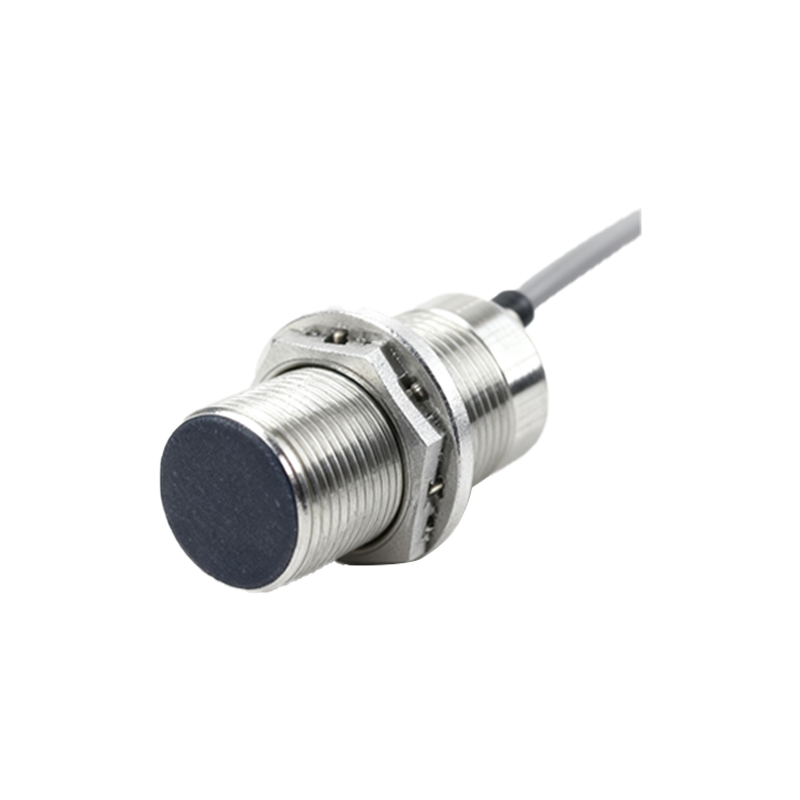
Installation and application require careful attention. Maintaining the proper clearance around the sensor head is essential to prevent false triggers from the surrounding metal mounting structure, a parameter known as the "flush-mountable" or "non-flush" design. Wiring must follow the manufacturer's guidelines, with correct polarity for DC models. These sensors are workhorses in countless applications: they detect the position of a metal pallet on a conveyor, confirm the closure of a safety guard, monitor the level of metal parts in a bin, or ensure a robotic gripper has correctly picked up a component. Their reliability directly impacts production line uptime and product quality.
In summary, the yellow proximity switch sensor is a fundamental pillar of modern industrial control systems. Its vivid color is a visual cue for its ruggedized design, signaling an ability to withstand harsh conditions while providing millions of cycles of fault-free detection. For engineers and maintenance technicians, understanding its operating principles, selection criteria, and application best practices is essential for designing and maintaining efficient, safe, and productive automated systems. As automation evolves, these sensors continue to be refined, offering even greater precision, longer ranges, and smarter diagnostic capabilities to meet the ever-growing demands of Industry 4.0.