In the intricate world of modern automotive engineering, a multitude of sensors act as the vehicle's nervous system, feeding critical data to the Engine Control Unit (ECU). Among these, the engine speed sensor, often referred to as the crankshaft position sensor, plays a pivotal and non-negotiable role. Its primary function is to monitor the rotational speed and precise position of the crankshaft. This information is fundamental, as the crankshaft's movement is directly tied to the pistons' motion within the cylinders. The ECU uses this real-time data to calculate the exact moment for fuel injection and ignition spark timing. Without an accurate signal from this sensor, the engine management system is essentially blind to the engine's most basic operational state.
These sensors typically operate on one of two principles: magnetic inductive (variable reluctance) or Hall-effect. Magnetic sensors generate an alternating current voltage signal whose frequency increases with engine speed. Hall-effect sensors, increasingly common, use a digital on/off signal triggered by a rotating ring with notches or teeth, often located on the crankshaft or the flywheel. This signal pattern allows the ECU to determine not just speed but also the exact angular position of the crankshaft, enabling precise synchronization of all engine events.
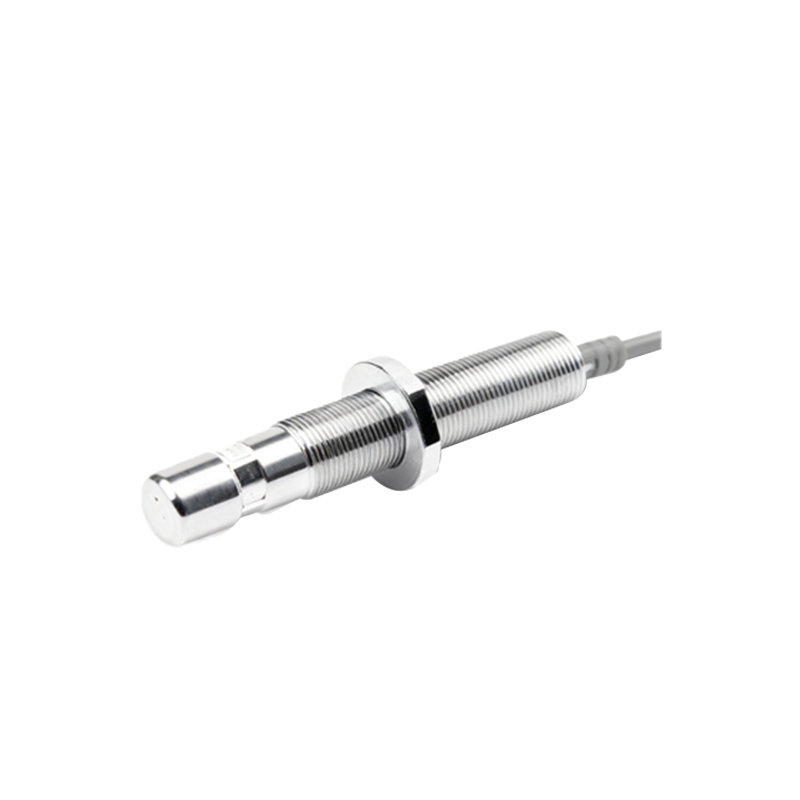
The consequences of a failing engine speed sensor are immediate and severe, as the vehicle's performance is directly compromised. One of the most common symptoms is intermittent stalling or a failure to start. Since the ECU cannot determine the crankshaft's position, it may inhibit fuel injection or spark entirely as a safety measure, preventing the engine from starting. A faulty sensor can also cause erratic idling, where the engine RPM fluctuates wildly without driver input. During acceleration, drivers may experience noticeable hesitation, jerking, or a sudden loss of power, as incorrect timing data leads to poorly coordinated fuel and spark delivery. In many modern vehicles, a malfunction will trigger the check engine light, with diagnostic trouble codes such as P0335 (Crankshaft Position Sensor "A" Circuit Malfunction) being stored in the ECU's memory.

Diagnosing a suspected faulty sensor involves a systematic approach. After checking for stored fault codes with an OBD-II scanner, a visual inspection is crucial. Technicians look for physical damage to the sensor, corrosion on the electrical connector, or worn wiring that could interrupt the signal. The sensor's air gap—the distance between its tip and the reluctor ring—must be within specification; even a small deviation can cause signal loss. Using a multimeter or an oscilloscope, the sensor's output signal can be measured. A magnetic sensor should show AC voltage that varies with engine speed, while a Hall-effect sensor should show a clean digital square wave. The absence or distortion of this signal confirms a sensor failure.
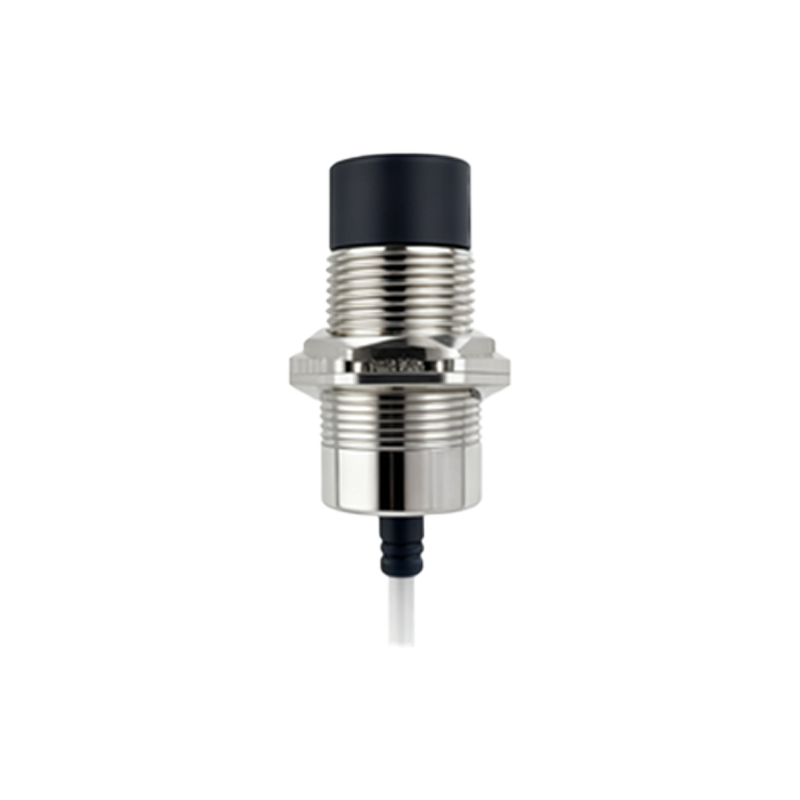
Replacing an engine speed sensor is generally a straightforward repair but requires attention to detail. The exact location varies by vehicle make and model but is commonly found near the bottom of the engine block, adjacent to the crankshaft pulley or the transmission bell housing. Before replacement, disconnect the vehicle's battery to prevent electrical shorts. After removing the electrical connector and the mounting bolt, the old sensor can be extracted. It is vital to clean the mounting area thoroughly to ensure the new sensor sits flush. Installing the new sensor often requires no adjustment, but some designs specify a precise air gap set with a non-magnetic feeler gauge. After reconnecting the battery, clearing any diagnostic codes, and starting the engine, a test drive should confirm the resolution of the drivability issues.
Regular maintenance can prevent premature sensor failure. While the sensor itself has no service interval, keeping the engine area clean from excessive oil, coolant, or debris buildup is beneficial. Many failures are linked to contamination or damage from other repair work. Using high-quality sensors from reputable manufacturers during replacement is also recommended, as inferior parts may provide inaccurate signals or have a shorter lifespan. Understanding the critical role of the engine speed sensor empowers vehicle owners to recognize early warning signs. Prompt diagnosis and repair not only restore smooth engine operation but also protect other vital components from the strain of incorrect timing, ensuring optimal performance, fuel efficiency, and reduced emissions for the long term.