In the realm of industrial automation and precision measurement, the demand for reliable, accurate, and robust sensing technology is paramount. Among the various solutions available, fiber optic proximity sensors have emerged as a superior choice for numerous challenging applications. Unlike traditional electromechanical or capacitive sensors, these devices utilize light transmitted through optical fibers to detect the presence, absence, or position of an object without physical contact. This fundamental principle unlocks a suite of capabilities ideal for environments where conventional sensors falter.
The core operation of a fiber optic proximity sensor involves three key components: a light source (typically an LED or laser diode), an optical fiber cable, and a photodetector. Light is emitted from the source, travels through the fiber, and exits at the sensing tip. When a target object enters the sensing field, it alters the light's properties—either by reflecting it back into the fiber, attenuating it, or modulating its phase or wavelength. This modified light signal travels back through the fiber (or a separate receiving fiber) to the photodetector. The sensor's electronics then analyze this signal change to determine the object's proximity. This all-optical sensing mechanism is inherently immune to electromagnetic interference (EMI), a significant advantage in electrically noisy settings like near large motors or welding equipment.
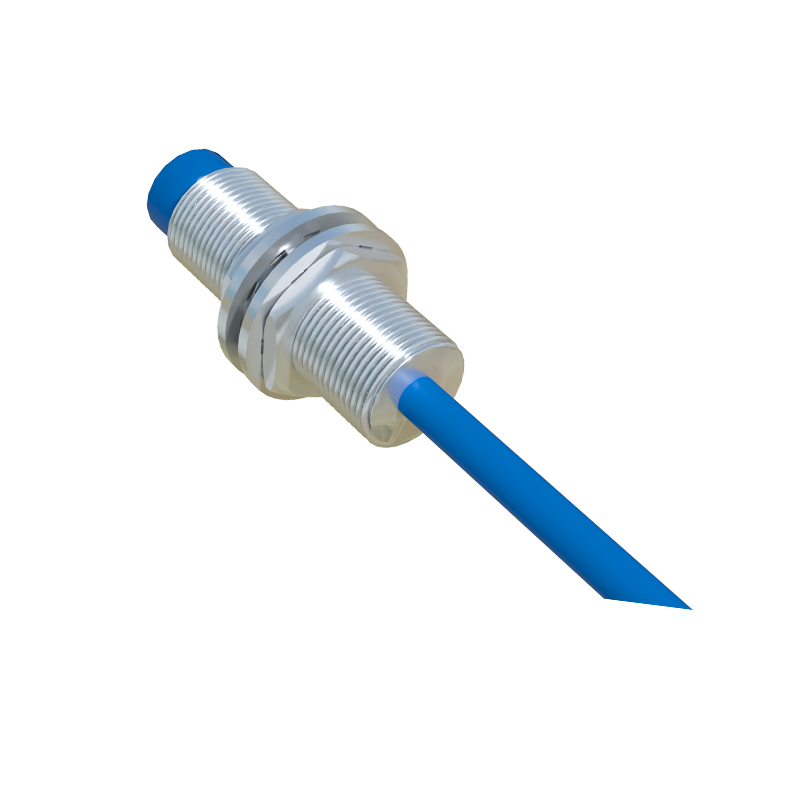
The applications for fiber optic proximity sensors are vast and varied. In manufacturing, they are indispensable for precise positioning control in CNC machinery, detecting minute parts on high-speed assembly lines, and verifying the presence of components in automated systems. Their small sensing tips allow them to be installed in extremely confined spaces where larger sensors cannot fit. Beyond factory floors, these sensors play a critical role in hazardous or extreme environments. They are used to monitor equipment in explosive atmospheres (as they generate no sparks), within high-voltage substations, and in areas with intense radiation or extreme temperatures, where electronic components would degrade or fail. Furthermore, their non-metallic, dielectric nature makes them perfect for applications involving strong magnetic fields, such as in MRI machines or particle accelerators.
Several distinct advantages solidify the position of fiber optic sensors in proximity sensing. First and foremost is their exceptional environmental resilience. Being passive at the sensing point (with active electronics located remotely), they can operate in temperatures ranging from cryogenic levels to several hundred degrees Celsius. Their immunity to EMI and radio frequency interference (RFI) ensures stable, noise-free signal transmission over long distances, sometimes up to several hundred meters from the control unit. Additionally, their fast response times enable detection of rapidly moving objects, which is crucial for modern high-throughput production. The sensors are also chemically inert and resistant to corrosion, allowing reliable operation in the presence of oils, solvents, and other aggressive substances.
When selecting a fiber optic proximity sensor, understanding the different sensing modes is essential. The two primary configurations are through-beam and diffuse reflective. A through-beam sensor consists of separate emitter and receiver fibers facing each other; detection occurs when an object breaks the light beam. This mode offers the highest accuracy and longest sensing range. A diffuse reflective sensor, conversely, uses a single fiber or bundled fibers to both emit and receive light. It detects an object by measuring the light reflected back from the target's surface. While generally having a shorter range and being sensitive to the target's color and reflectivity, this configuration is simpler to install as it requires only one mounting point.
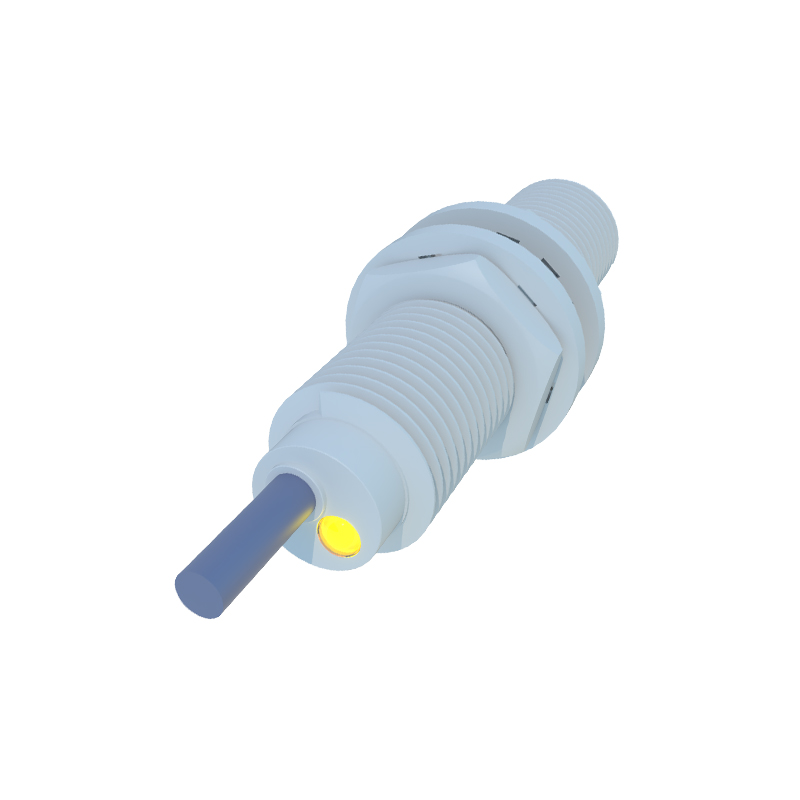
Installation and maintenance considerations are generally straightforward. The flexible fiber optic cables can be routed through tight conduits and around obstacles, separating the sensitive electronics from harsh sensing points. Regular maintenance typically involves only keeping the sensing tips clean from dust, dirt, or debris that could attenuate the light signal. Calibration is minimal compared to some other sensor types. However, users must be mindful of bending radii for the fibers to prevent signal loss and ensure the selected sensor's specifications—such as sensing distance, light source type, and output type—match the application requirements.
In conclusion, fiber optic proximity sensors represent a sophisticated and versatile sensing technology that addresses the limitations of conventional methods. By leveraging light transmitted through optical fibers, they provide reliable, high-speed, and contactless detection in conditions that are hostile, confined, or electrically noisy. Their unique blend of durability, precision, and flexibility makes them an increasingly critical component in advancing industrial automation, scientific research, and safety systems. As technology progresses, further integration with smart systems and IoT platforms will likely expand their role in enabling more connected and intelligent operational environments.