In the intricate world of industrial automation, the unsung heroes ensuring precision, safety, and efficiency are often the sensors that operate silently on the factory floor. Among these, inductive proximity sensors stand out as a cornerstone technology, pivotal for countless applications across manufacturing, packaging, robotics, and material handling. Their fundamental role is to detect the presence or absence of metallic objects without any physical contact, relying instead on the principles of electromagnetic induction.
At its core, an inductive proximity sensor generates an oscillating electromagnetic field from its sensing face via a coil and oscillator circuit. When a ferrous or non-ferrous metallic target enters this field, eddy currents are induced on the target's surface. This causes a change in the oscillation amplitude, which is detected by the sensor's circuitry. Subsequently, this detection triggers a solid-state output signal, typically switching a load on or off. This non-contact operation is its primary advantage, eliminating mechanical wear and tear, ensuring long operational life, and enabling high-speed detection—often in the range of several thousand cycles per second. This makes them exceptionally reliable in harsh industrial environments where dust, oil, coolant, and other contaminants would compromise mechanical switches or optical sensors.
The applications of inductive proximity sensors are remarkably diverse. In assembly lines, they are used for precise part positioning, verifying the presence of components like nuts, bolts, or metal brackets before a robotic arm performs a task. In machining centers, they serve as limit switches to confirm the position of a tool turret or a sliding carriage, preventing collisions and ensuring machining accuracy. Within automated packaging machinery, these sensors detect metallic labels or foil seals on products, ensuring proper labeling and packaging integrity. Furthermore, in material handling systems, they monitor the position of metal pallets, conveyor chains, or lift platforms, facilitating seamless logistics and inventory control.
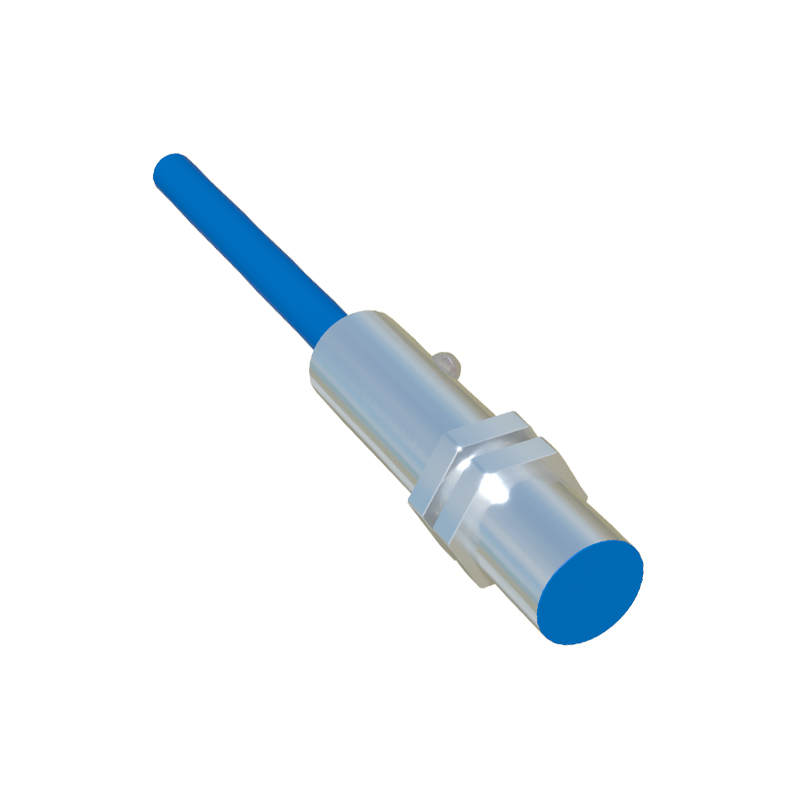
Selecting the appropriate inductive sensor involves several key technical considerations. The sensing range, or nominal range (Sn), is critical and is typically standardized (e.g., 2mm, 5mm, 10mm). It's important to note that the effective sensing distance can vary based on the target material; steel has a factor of 1, while stainless steel or aluminum may have reduction factors of 0.7 to 0.4. The housing material is another vital factor; sensors with nickel-plated brass or stainless steel housings offer superior resistance to chemicals and physical impacts compared to plastic variants. Output types must also be matched to the control system, with options including NPN (sinking), PNP (sourcing), normally open (NO), or normally closed (NC) configurations. Many modern sensors also feature advanced diagnostics like IO-Link communication, enabling predictive maintenance by providing data on operational health and environmental conditions.
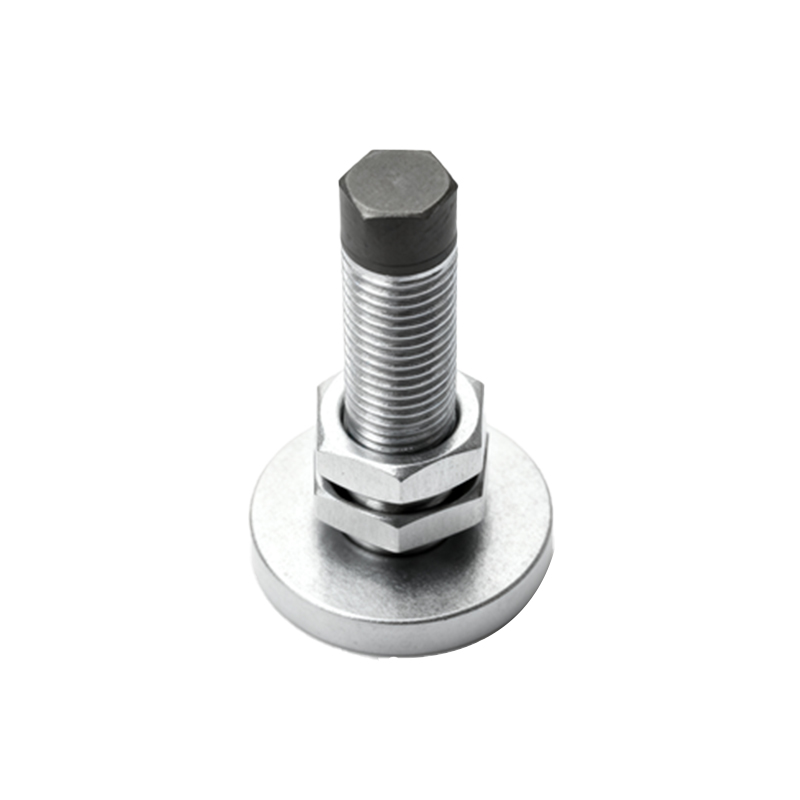
Despite their robustness, optimal performance requires correct installation and awareness of limitations. Sensors should be mounted to avoid mutual interference when placed adjacent to each other; manufacturers specify minimum lateral spacing guidelines. The sensing field is also frontal and roughly cylindrical, so side-mounted targets may not be detected. They are inherently blind to non-metallic materials like plastic, wood, or glass, which is a limitation for mixed-material applications. In such cases, capacitive or photoelectric sensors might be complementary solutions.
Looking forward, the evolution of inductive proximity sensors continues. Miniaturization is a strong trend, allowing integration into increasingly compact machinery and consumer electronics manufacturing equipment. Enhanced sensing ranges and improved immunity to electromagnetic interference (EMI) from variable frequency drives (VFDs) and welding equipment are areas of constant R&D. The integration of smart sensor capabilities, as part of Industry 4.0 frameworks, is perhaps the most significant advancement. These intelligent sensors can communicate detailed diagnostic information to programmable logic controllers (PLCs) or cloud-based systems, facilitating condition monitoring, reducing unplanned downtime, and optimizing overall equipment effectiveness (OEE).
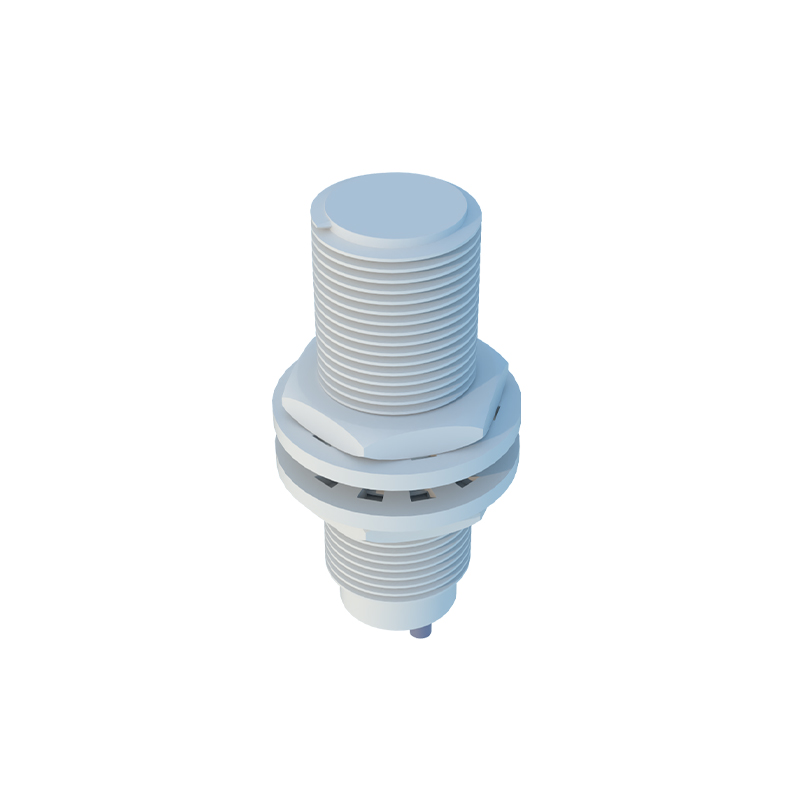
In conclusion, inductive proximity sensors are a fundamental, reliable, and versatile component in the automation engineer's toolkit. Their ability to provide contactless, wear-free detection of metals in demanding conditions makes them indispensable for modern industrial processes. From ensuring the simple count of metal cans to safeguarding complex robotic welding cells, their role is integral to achieving the high levels of productivity, quality, and safety that define contemporary manufacturing. A deep understanding of their operating principles, selection criteria, and application best practices is essential for any professional designing, maintaining, or optimizing automated systems.