In the complex and demanding world of industrial automation, the selection of sensing technology is a critical decision that directly impacts efficiency, safety, and operational cost. Among the plethora of options, proximity sensors have emerged as a cornerstone component. Their widespread adoption is not a matter of trend but a result of their inherent technical advantages that solve fundamental challenges on the factory floor. This article delves into the core reasons why engineers consistently specify proximity sensors for a vast array of applications.
First and foremost is the principle of non-contact detection. Unlike mechanical limit switches that require physical touch to actuate, proximity sensors detect the presence or absence of a target object without any physical contact. This single characteristic eliminates mechanical wear and tear, dramatically increasing the sensor's operational lifespan and reliability. In high-cycle applications, such as counting parts on a conveyor or verifying the position of a robotic arm, this non-contact operation ensures consistent performance over millions of cycles, reducing maintenance downtime and replacement costs. The absence of physical force also makes them ideal for detecting fragile or delicate objects that could be damaged by a mechanical switch.
The environmental robustness of modern proximity sensors is another compelling reason for their selection. Engineered to withstand harsh industrial environments, they are typically housed in solid metal or rugged polymer casings with high Ingress Protection (IP) ratings, such as IP67 or IP69K. This makes them resistant to dust, oil, coolants, and high-pressure washdowns—common conditions in machining, food processing, and automotive manufacturing. Furthermore, they are immune to ambient light interference, a significant drawback of photoelectric sensors in certain settings. Their solid-state design, with no moving parts, enhances their resilience against vibration and shock, ensuring stable operation in demanding locations.
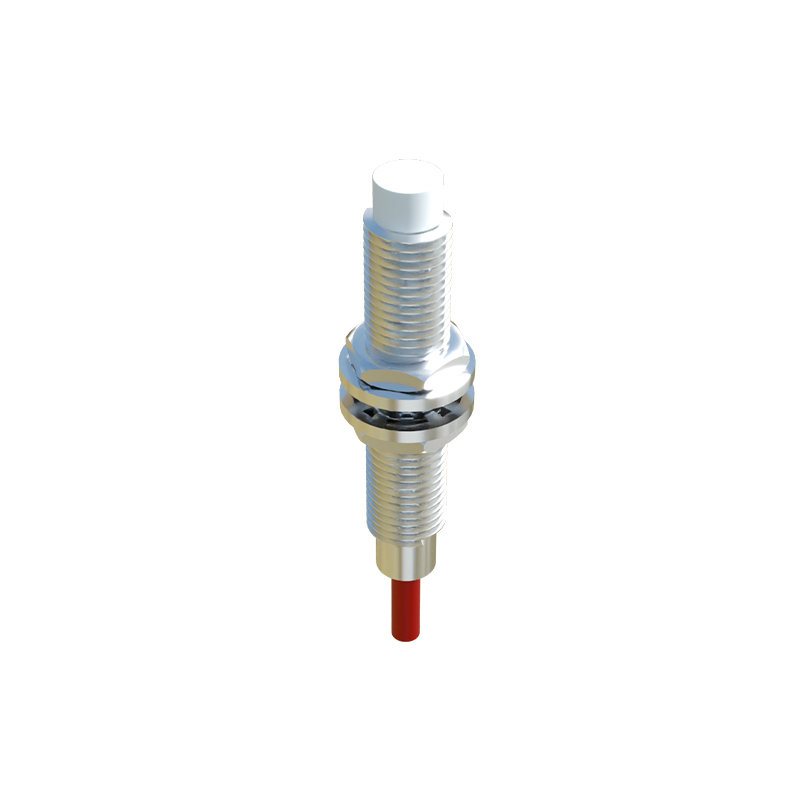
Precision and repeatability are paramount in automated processes. Proximity sensors offer exceptionally high switching frequency and repeat accuracy. Inductive sensors, for detecting metals, and capacitive sensors, for detecting non-metals or liquid levels, provide fast and precise detection. This allows for precise positioning control, accurate counting at high speeds, and reliable quality checks. The ability to detect objects with micron-level precision in some specialized models supports applications in semiconductor manufacturing and precision assembly, where tolerances are extremely tight.
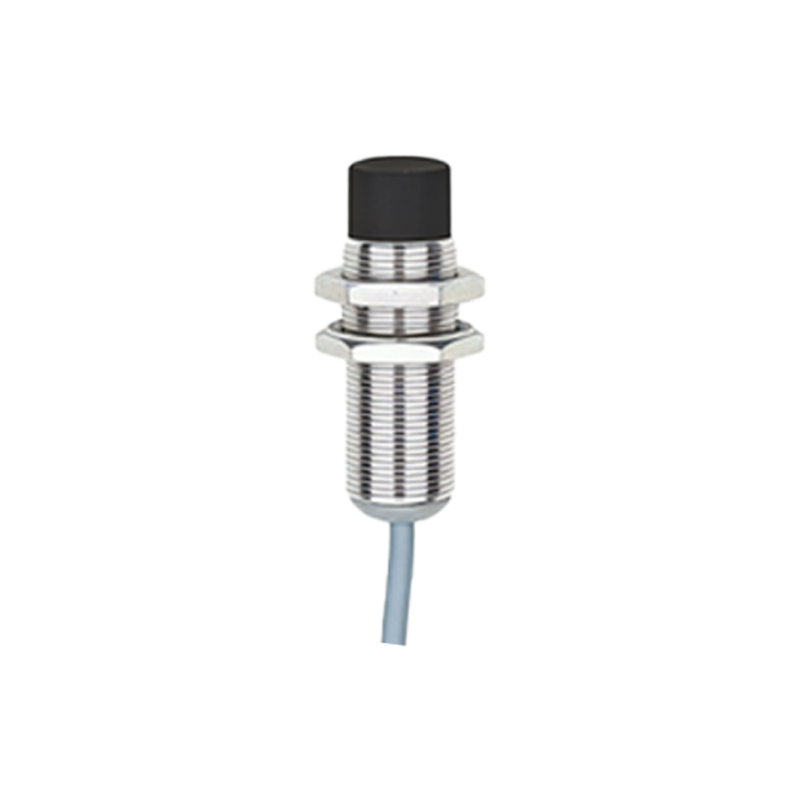
Versatility in design and output options further solidifies their position. Proximity sensors are available in a myriad of form factors: tubular, rectangular, ring-shaped, and slot styles. This allows for installation in space-constrained locations. They offer various output types, including DC NPN/PNN, NAMUR for hazardous areas, and analog outputs for distance measurement. The integration of IO-Link communication in advanced models enables detailed parameter setting, condition monitoring, and diagnostic data exchange, paving the way for predictive maintenance and Industry 4.0 connectivity. This flexibility allows engineers to select a sensor that perfectly matches the electrical and mechanical requirements of the specific application.
Finally, the economic argument is decisive. While the initial unit cost may be higher than a basic mechanical switch, the total cost of ownership is significantly lower. The combination of long service life, minimal maintenance, reduced machine downtime, and prevention of product damage or line jams leads to substantial long-term savings and increased overall equipment effectiveness (OEE). Their reliability directly contributes to smoother production flow and higher output quality.
In conclusion, the choice to utilize proximity sensors is driven by a powerful synergy of factors: unparalleled reliability through non-contact sensing, exceptional durability in tough conditions, high precision for quality control, versatile configurations for design integration, and a favorable lifecycle cost. For engineers tasked with building robust, efficient, and intelligent automated systems, proximity sensors are not merely a component choice but a strategic investment in operational excellence. Their continued evolution with smart features ensures they will remain an indispensable tool in the industrial engineer's arsenal for the foreseeable future.