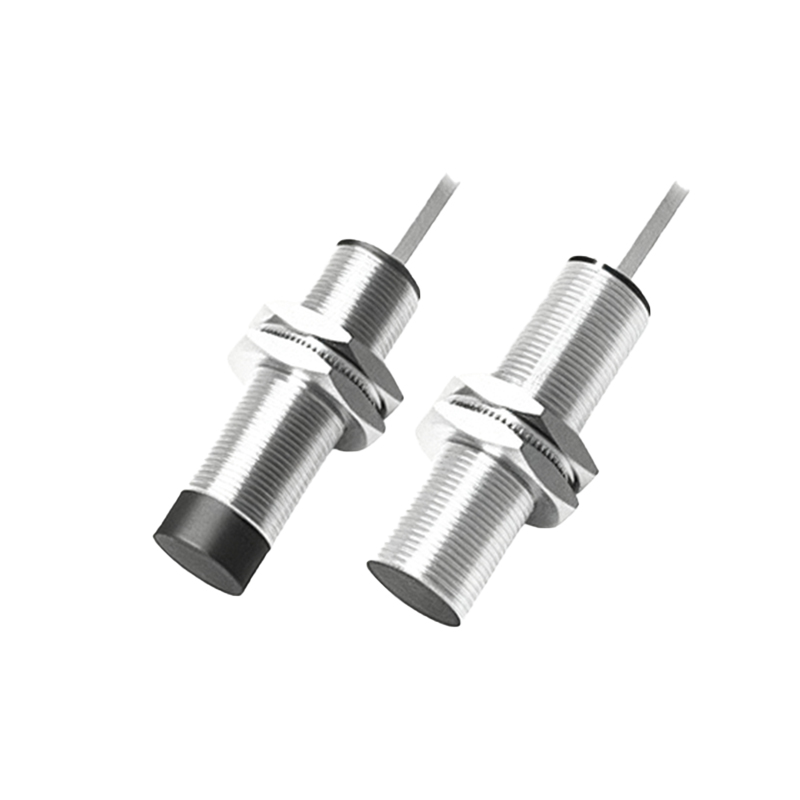
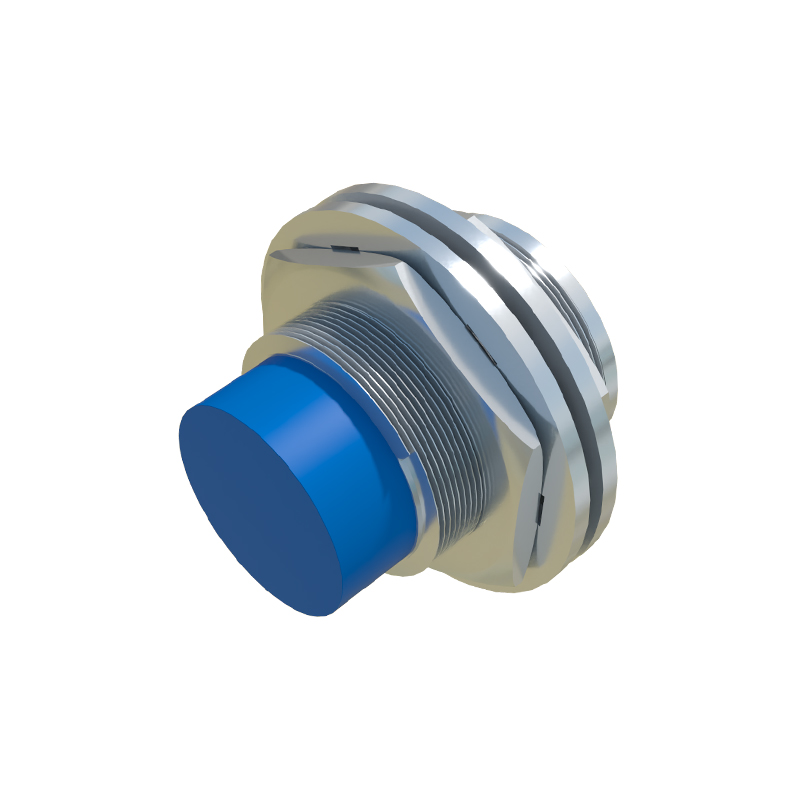
In industrial automation and control systems, proximity sensors are indispensable components for non-contact detection of metallic or non-metallic objects. Their reliable operation is fundamentally dependent on a stable, clean, and appropriately specified power supply. A dedicated power supply for proximity sensors is not merely a commodity component but a critical design element that ensures system integrity, minimizes downtime, and extends sensor lifespan. This article delves into the key considerations and best practices for selecting and implementing power solutions for proximity sensors.
The core function of a proximity sensor power supply is to convert the available mains or DC bus voltage to the precise, regulated low-voltage DC required by the sensor, typically 10-30V DC for standard models. However, the selection criteria extend far beyond basic voltage and current ratings. A primary concern is voltage stability. Proximity sensors, especially analog or IO-Link variants, are sensitive to voltage fluctuations. Ripple and noise on the supply line can lead to erratic switching behavior, reduced sensing distances, or false triggering. Therefore, a power supply with low output ripple and noise (often specified in mV peak-to-peak) and good line/load regulation is essential. Look for models with filtering and shielding designed to suppress electromagnetic interference (EMI), both incoming from the mains and outgoing from the switching circuitry.
Current capacity is another vital parameter. The power supply must deliver sufficient current to power all connected sensors simultaneously, including inrush currents during power-up. A common mistake is to size the supply based solely on the nominal operating current of each sensor. It is prudent to calculate the total load and add a safety margin of 20-30%. Furthermore, consider the ambient temperature. The derating curves provided in power supply datasheets indicate how maximum output current decreases as operating temperature rises, a critical factor in hot industrial environments.
Protection features are non-negotiable for robust system design. A dedicated sensor power supply should incorporate:
Overload and Short-Circuit Protection: Automatically limits output current or shuts down to protect both the supply and the connected sensors, resetting automatically or via a power cycle once the fault is cleared.
Overvoltage Protection (OVP): Clamps the output voltage to prevent damage to sensitive sensor electronics from internal failures or transients.
Thermal Protection: Shuts down the unit if internal temperatures exceed safe limits.
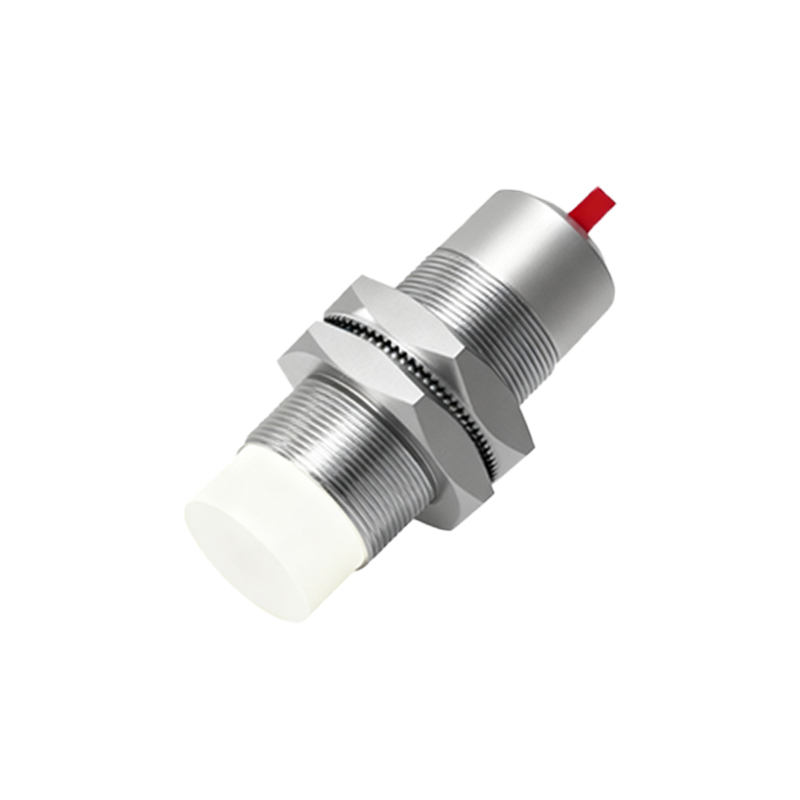
For systems employing two-wire DC proximity sensors, which operate by drawing a small leakage current (often called residual current) even in the "off" state, the power supply's behavior at low loads is important. Some supplies may exhibit instability or require a minimum load. Ensuring compatibility is key to preventing unexpected sensor behavior.
Wiring and installation practices significantly impact performance. Always use twisted-pair or shielded cables for sensor connections to minimize noise pickup. The power supply should be installed as close as practical to the sensor cluster to reduce voltage drop across long wire runs. Calculate the voltage drop based on wire gauge, length, and total current to ensure the sensor at the farthest point receives voltage within its specified operating range. A centralized, dedicated power supply for sensors is generally preferred over distributing power from a large, shared PLC cabinet supply, as it isolates the sensitive sensor circuitry from noise generated by relays, motor drives, and other inductive loads.
For advanced applications, consider smart power supplies with diagnostic capabilities. These units can monitor output current, voltage, and temperature, providing early warnings of potential failures, such as a short circuit developing in a cable or a sensor beginning to draw excessive current. This aligns with predictive maintenance strategies, enhancing overall equipment effectiveness (OEE).
In conclusion, specifying a power supply for proximity sensors requires a holistic view of the electrical environment and application demands. It is an investment in system reliability. By prioritizing stable voltage output, adequate current with derating, comprehensive protection, and proper installation, engineers can build automation systems where proximity sensors perform consistently and accurately, forming a trustworthy foundation for the entire control logic. Never treat sensor power as an afterthought; its quality directly correlates with the quality of the detection signal and, ultimately, the manufacturing process.