In the demanding world of industrial automation and machinery, proximity switches are indispensable workhorses. These non-contact sensors reliably detect the presence or absence of metallic objects, forming the backbone of countless processes from positioning and counting to safety interlocks. However, their very location—often in harsh, exposed environments—makes them vulnerable. This is where the often-overlooked yet critical component comes into play: the proximity switch sensor protective cover. This guide delves into the purpose, types, selection criteria, and best practices for utilizing these essential guards.
The primary function of a protective cover is to shield the sensitive sensing face and body of the proximity sensor from physical damage and environmental contaminants. Without protection, sensors are susceptible to impacts from moving parts, tools, or falling debris, which can crack housings or misalign internal components. Furthermore, industrial settings abound with threats like metal chips, welding spatter, coolant fluids, oils, and abrasive dust. A well-chosen cover acts as a barrier, preventing these substances from coating the sensor face, which can attenuate the sensing signal or cause complete failure. For instance, a layer of ferrous dust on an inductive sensor can cause it to latch in a "detected" state.
Several types of protective covers are available, each tailored to specific threats. The most common varieties include:
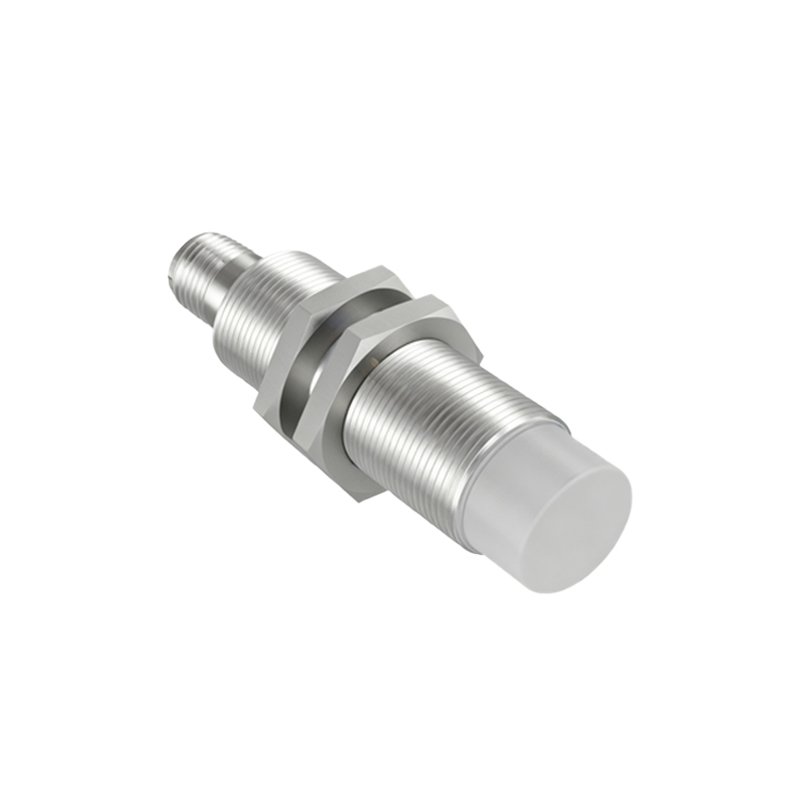
Metal Mesh or Screen Covers: Typically made of stainless steel, these are ideal for protecting against physical impacts and large particulates while having a minimal effect on the sensing range of inductive sensors. They are common in machining and stamping applications.
Non-Metallic Covers (Plastic or PTFE): Used with capacitive or ultrasonic sensors, or where a non-metallic barrier is required. PTFE (Teflon) covers are excellent in high-temperature areas or where sticky materials are present, as they provide a non-stick surface.
Welding Spatter Guards: Specifically designed for robotic welding cells, these are often made from high-temperature resistant materials like silicone or special composites that cause molten spatter to bead up and fall off, rather than adhering to the sensor.
Full Enclosure Boots: Made from flexible materials like silicone or rubber, these boots encapsulate the entire sensor, providing comprehensive protection against heavy washdowns, corrosive chemicals, and extreme dust. They are essential in food & beverage or pharmaceutical industries.
Selecting the correct protective cover is not a trivial task. Engineers must consider multiple factors to ensure optimal sensor performance and longevity. The most crucial consideration is material compatibility. For inductive proximity switches detecting metals, the cover material must be non-metallic (e.g., plastic) or, if metallic, must be specifically designed with a mesh size and distance that accounts for the reduction in effective sensing range. Using an inappropriate metallic cover can reduce a sensor's nominal range by 50% or more. The environmental rating (IP, NEMA, or IK codes) of the cover-sensor combination must match or exceed the application's requirements for ingress protection against dust and water. Temperature resistance is another key factor; covers in foundries or near ovens must withstand sustained high temperatures without degrading.
Installation and maintenance are straightforward but vital. Covers must be securely mounted, ensuring they do not shift and come into contact with the sensing field in an unpredictable way. It is good practice to re-verify the sensing distance and stability after installing a cover. Maintenance involves regular inspection for damage, buildup, or wear. A cover caked with grime defeats its purpose; therefore, cleaning schedules should be established based on the operational environment. In high-contamination zones, choosing a cover with a sloped or smooth surface can help shed debris more easily.
In conclusion, investing in robust proximity switch sensor protective covers is not an expense but a strategic investment in reliability and total cost of ownership. By systematically assessing the physical and environmental hazards, selecting a cover with the correct material and rating, and adhering to simple maintenance routines, engineers can dramatically extend sensor life, reduce unscheduled downtime, and ensure consistent, fail-safe operation of automated systems. Protecting these critical sensing points fortifies the entire production line against preventable failures.