In modern industrial automation, the demand for compact and space-saving components has led to the widespread adoption of ultra-thin proximity sensors. These sensors, often with thicknesses below 5mm, are crucial for applications where mounting space is limited, such as in robotics, consumer electronics, and precision machinery. However, their slim design introduces unique challenges that engineers must address to ensure reliable performance. This article explores practical solutions for overcoming issues related to ultra-thin proximity sensors, focusing on installation, environmental factors, and signal integrity.
One primary concern with ultra-thin proximity sensors is their reduced sensing range and sensitivity. Due to minimal housing and compact internal components, these sensors may have shorter detection distances compared to standard models. To mitigate this, engineers should carefully select sensors based on specific application requirements. For instance, inductive proximity sensors are ideal for detecting metallic objects at close ranges, while capacitive variants can handle non-metallic materials. Calibration is also essential; adjusting the sensor's threshold and hysteresis settings can optimize performance in tight spaces. Additionally, using sensors with built-in amplification or enhanced signal processing chips can compensate for sensitivity limitations, ensuring accurate detection even in constrained environments.
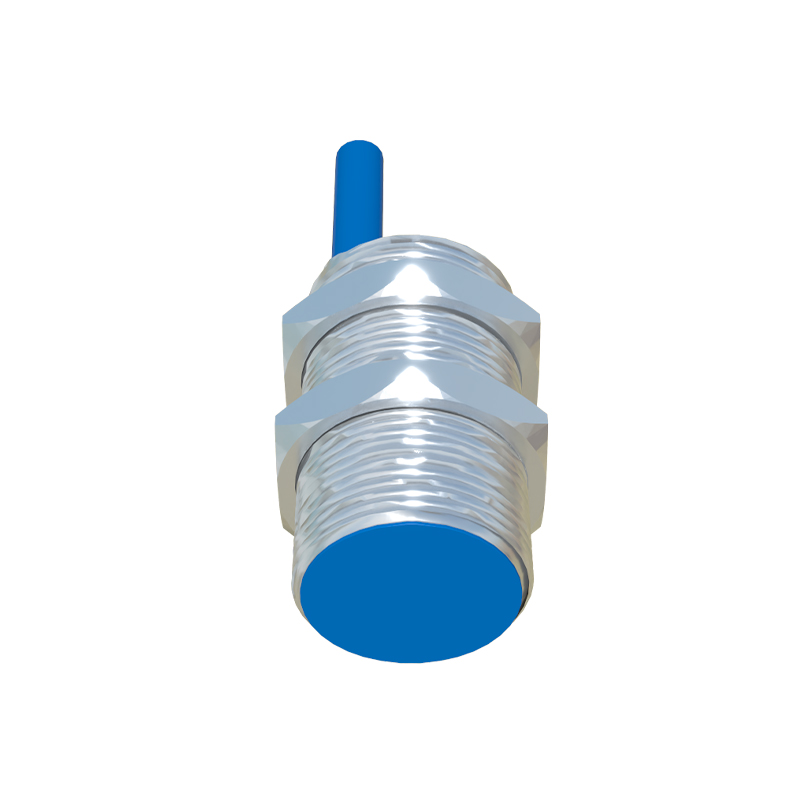
Installation and mounting pose another significant challenge. Ultra-thin sensors often lack robust housing, making them vulnerable to mechanical stress and misalignment. To prevent damage, it is recommended to use precise mounting fixtures or adhesive backings designed for thin components. Ensuring proper alignment with the target object is critical—even minor deviations can lead to false triggers or missed detections. In high-vibration settings, such as on conveyor belts or moving arms, damping materials or shock-absorbing mounts can protect the sensor from excessive wear. Moreover, engineers should verify that the sensor's mounting surface is flat and clean to avoid bending or stress concentrations that could impair functionality.
Environmental factors, including temperature fluctuations, humidity, and electromagnetic interference (EMI), can disproportionately affect ultra-thin sensors. Their compact design may offer less shielding against external noise, leading to signal degradation. To enhance durability, opt for sensors with IP67 or higher ingress protection ratings for dust and moisture resistance. For temperature-sensitive applications, selecting models with extended operating ranges (e.g., -25°C to 70°C) is advisable. Shielding techniques, such as using grounded metal enclosures or ferrite cores, can reduce EMI impact. Regular maintenance, including cleaning of sensing faces and checking for environmental changes, helps sustain long-term reliability.
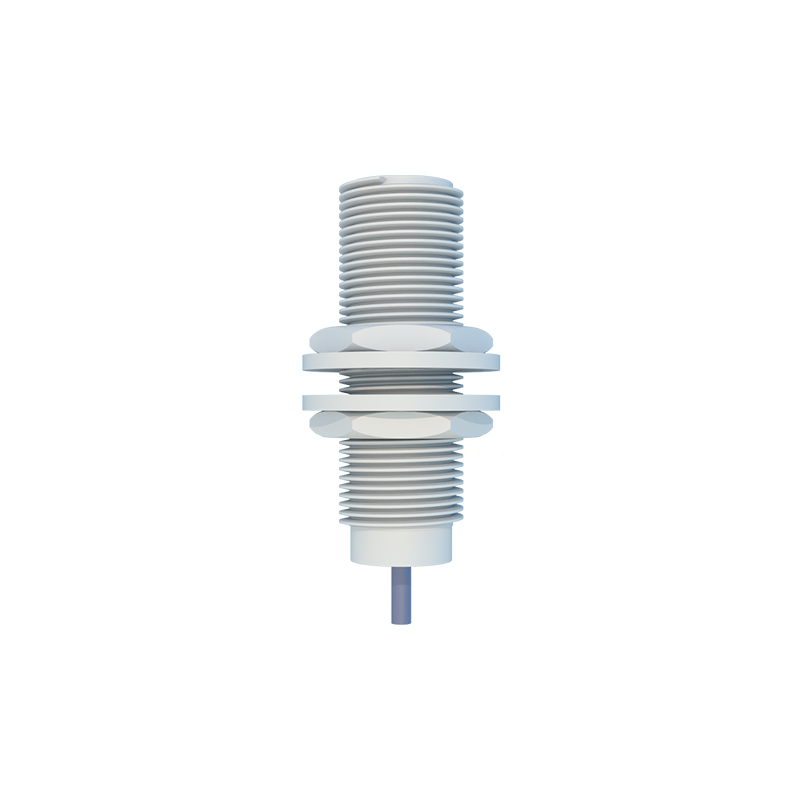
Signal integrity and wiring are also crucial considerations. Ultra-thin sensors typically have limited space for connection terminals, which may result in fragile wiring points. Employing flexible, high-quality cables with strain relief features can prevent breakage and ensure stable electrical connections. For digital sensors, implementing noise filters or surge protectors in the circuit can safeguard against voltage spikes. In networked systems, using shielded cables and proper grounding practices minimizes cross-talk and data loss. Engineers should also follow manufacturer guidelines for voltage and current ratings to avoid overloading the sensor's compact circuitry.
In summary, addressing the challenges of ultra-thin proximity sensors involves a holistic approach: selecting the right sensor type, ensuring precise installation, mitigating environmental risks, and maintaining signal integrity. By implementing these strategies, engineers can leverage the benefits of slim designs without compromising on performance. As industries continue to prioritize miniaturization, understanding these solutions will be key to advancing automation efficiency and innovation.