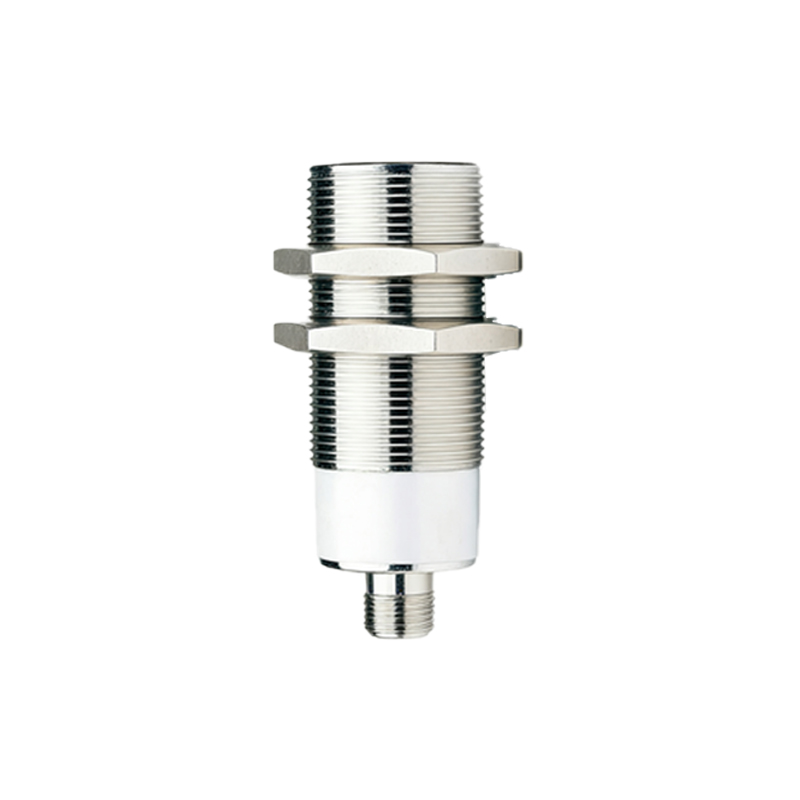
In the intricate dance of modern automation and machinery, there exists a class of silent, unseen sentinels. World proximity switch sensors, often simply called proximity sensors, are the fundamental components that enable machines to "sense" the presence or absence of an object without any physical contact. Their operation is a marvel of applied physics, and their impact spans across every global industry, from the automotive assembly lines of Germany to the semiconductor cleanrooms of Taiwan and the packaging plants of the United States.
At their core, these non-contact sensors detect the presence of metallic or, in some advanced types, non-metallic targets. The most prevalent technology is the inductive proximity sensor. It generates an electromagnetic field. When a metallic object enters this field, it induces eddy currents within the target, which in turn causes a change in the sensor's own oscillation amplitude. This change is detected by the sensor's circuitry, triggering a solid-state switch to change state—turning a signal on or off. This entire process happens in microseconds, with remarkable reliability and repeatability. For non-metallic targets like glass, plastic, or liquids, capacitive proximity sensors are employed. They detect changes in capacitance caused by the target material altering the sensor's electrostatic field.
The global adoption of these sensors is driven by their unparalleled advantages. Unlike mechanical limit switches, they have no moving parts to wear out, leading to exceptionally long service life and reduced maintenance. Their non-contact nature means no physical force is applied to either the sensor or the target, preventing damage and allowing for high-speed operation. They are immune to contaminants like oil, dust, and moisture when properly housed, making them ideal for harsh industrial environments. From positioning robotic arms and counting products on a conveyor to detecting the end of a roll of material or ensuring a safety door is closed, their applications are virtually limitless.
The evolution of world proximity sensors reflects the demands of Industry 4.0 and smart manufacturing. Modern sensors are becoming more intelligent and connected. They now come with integrated IO-Link communication, a simple point-to-point serial connection that transforms a standard binary switch into a rich data source. Through IO-Link, a sensor can transmit not just its on/off status, but also diagnostic data like operating temperature, signal strength, and even warnings about potential failures before they occur. This allows for predictive maintenance, minimizing unplanned downtime. Furthermore, advancements in miniaturization have led to sensors small enough to be embedded in intricate machinery, while long-range models can detect objects from several inches away.
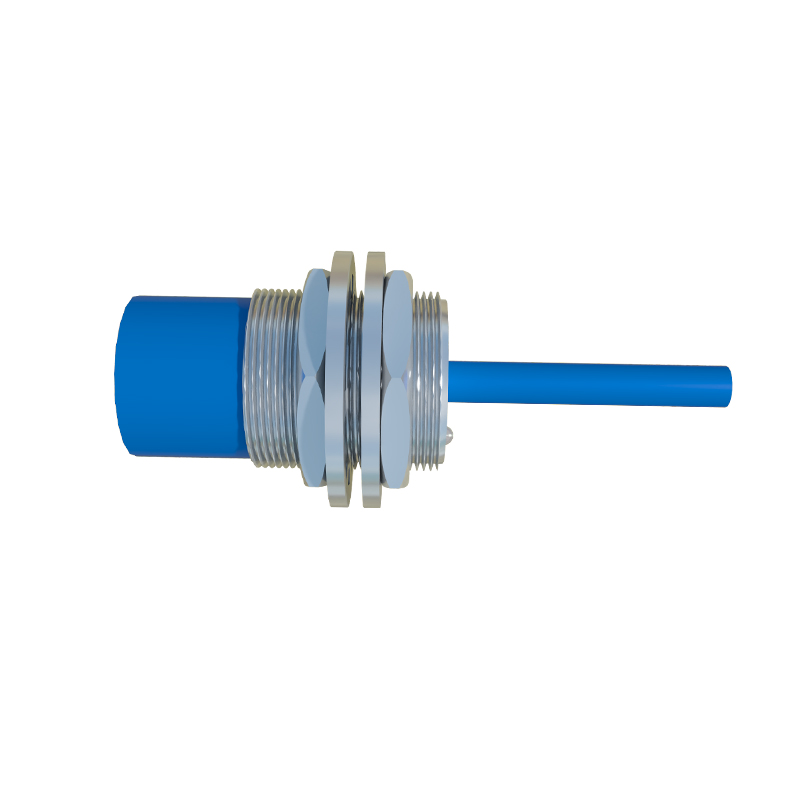
Choosing the right proximity sensor for a global application requires careful consideration of several factors. The material of the target object is paramount—inductive for metals, capacitive for other materials. The sensing distance, or "rated operating distance," must be specified with a safety margin to account for mechanical tolerances and temperature variations. Environmental conditions are critical; sensors may need specific housing materials like stainless steel or PTFE coatings to resist chemicals, extreme temperatures, or heavy washdowns. Finally, the electrical output type (e.g., NPN or PNP, normally open or closed) must match the control system's input card, a detail that varies by regional electrical standards.
Looking ahead, the future of world proximity sensing is intertwined with the growth of the Internet of Things (IoT) and artificial intelligence. Sensors will continue to become more sophisticated data points within larger networked systems. They will not only detect presence but may also provide information on the type of material, its distance with high precision, or its orientation. This granular data, fed into AI algorithms, will enable more flexible, adaptive, and efficient automated systems. As robotics and autonomous guided vehicles (AGVs) become more commonplace, the demand for robust, accurate, and intelligent proximity sensing will only intensify.
In conclusion, world proximity switch sensors are far more than simple switches. They are the essential enablers of automated control, providing the critical feedback that allows machines to interact intelligently and safely with their physical environment. Their silent, reliable operation forms the backbone of industrial productivity and innovation worldwide. As technology advances, these invisible guardians will continue to evolve, driving further gains in efficiency, safety, and operational intelligence across the globe.