The GX-FL15A-P is a high-performance inductive proximity sensor designed for demanding industrial automation environments. Engineered with precision and durability in mind, this sensor represents a critical component in modern manufacturing, packaging, and material handling systems. Its core function is to detect the presence or absence of metallic objects without physical contact, thereby enabling non-invasive monitoring, counting, positioning, and control tasks.
At the heart of the GX-FL15A-P lies a robust sensing technology. It operates on the principle of electromagnetic induction. The sensor's oscillator circuit generates a high-frequency electromagnetic field at its active face. When a metallic target enters this detection field, eddy currents are induced within the target. This causes a change in the oscillation amplitude within the sensor, which is then processed by the internal circuitry to trigger a solid-state output signal. The "P" in the model designation typically indicates a PNP (sourcing) output configuration, which is widely compatible with programmable logic controllers (PLCs) and standard industrial control voltage levels, commonly 10-30V DC.
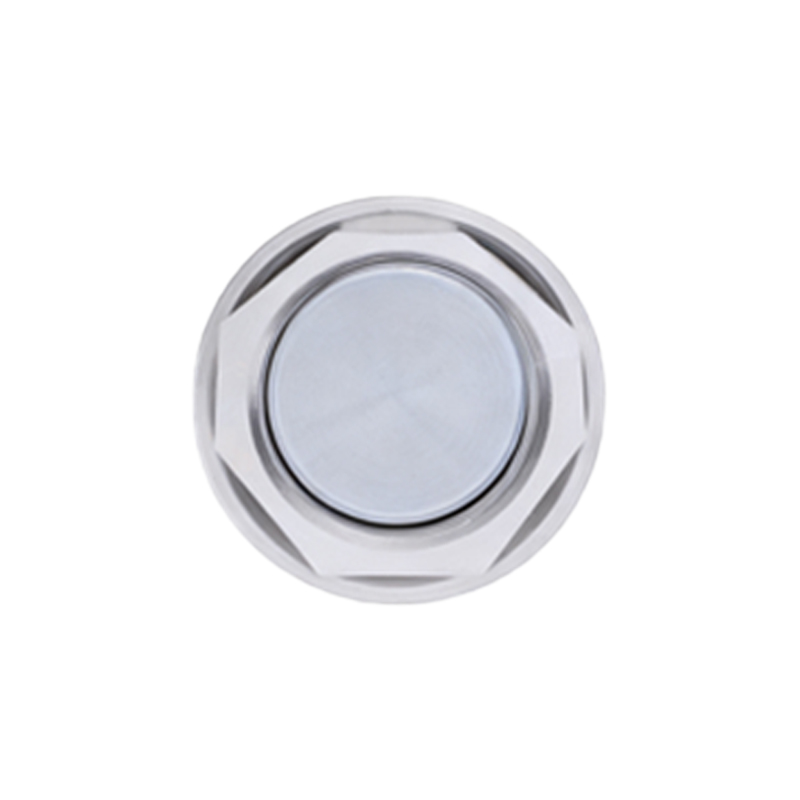
Key technical specifications define its operational envelope. The GX-FL15A-P typically features a nominal sensing distance, often 1.5mm or 2mm, with a guaranteed operational range accounting for manufacturing tolerances and environmental factors. It boasts a high switching frequency, allowing it to detect rapidly moving objects on production lines. The housing is constructed from nickel-plated brass or high-grade stainless steel, offering exceptional resistance to mechanical impact, coolant, oil, and cutting fluids. This IP67 or higher ingress protection rating ensures reliable performance in wash-down areas and dusty conditions. Furthermore, it incorporates built-in protection against short-circuit, reverse polarity, and voltage spikes, enhancing system longevity and reducing downtime.
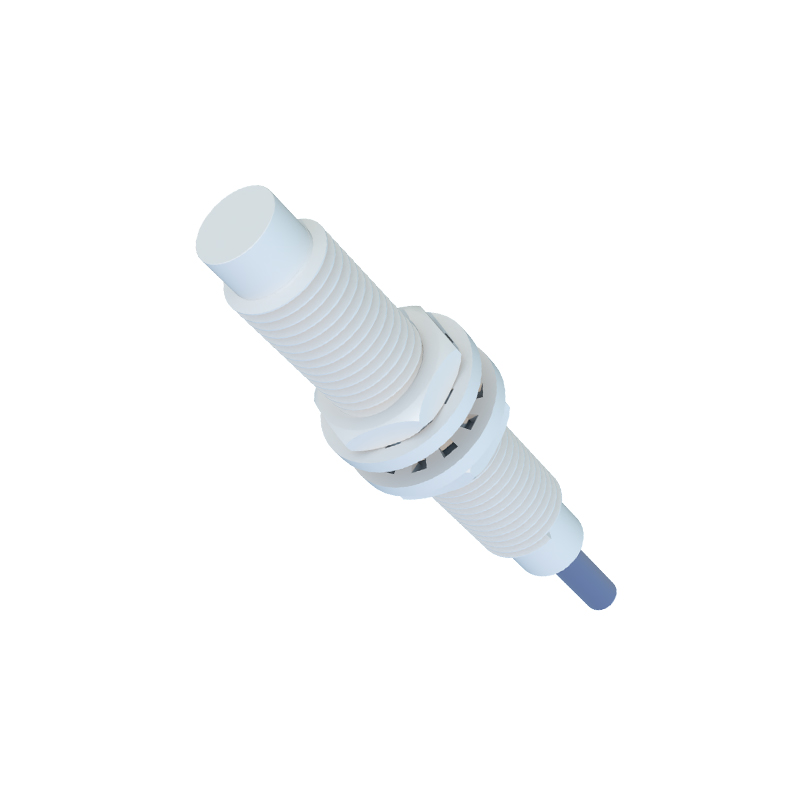
Installation and integration are straightforward. The sensor is typically threaded (e.g., M8 or M12 form factor), allowing for easy mounting in standard fixtures. Correct installation is paramount; designers must consider the sensor's flush-mounting capability or non-flush mounting requirements, ensuring the correct lateral and axial clearance from surrounding metal to prevent false triggering. The sensing face should be positioned parallel to the target surface for optimal performance. The wiring is simple, usually involving three wires: brown for positive supply voltage (V+), blue for common negative (0V), and black for the switched output signal.
The industrial applications for the GX-FL15A-P are vast and varied. In automotive assembly lines, it precisely detects piston rods, cylinder positions, and gear teeth. Within packaging machinery, it verifies the presence of metallic lids, foil seals, or cans on conveyor belts. In CNC machining centers, it serves as a tool breakage detection device or a workpiece positioning limit switch. Its robustness makes it ideal for harsh environments like metal stamping, where it monitors feed rates and part ejection. Additionally, it is employed in automated storage and retrieval systems (AS/RS) for pallet detection and in robotic cells for end-effector positioning.
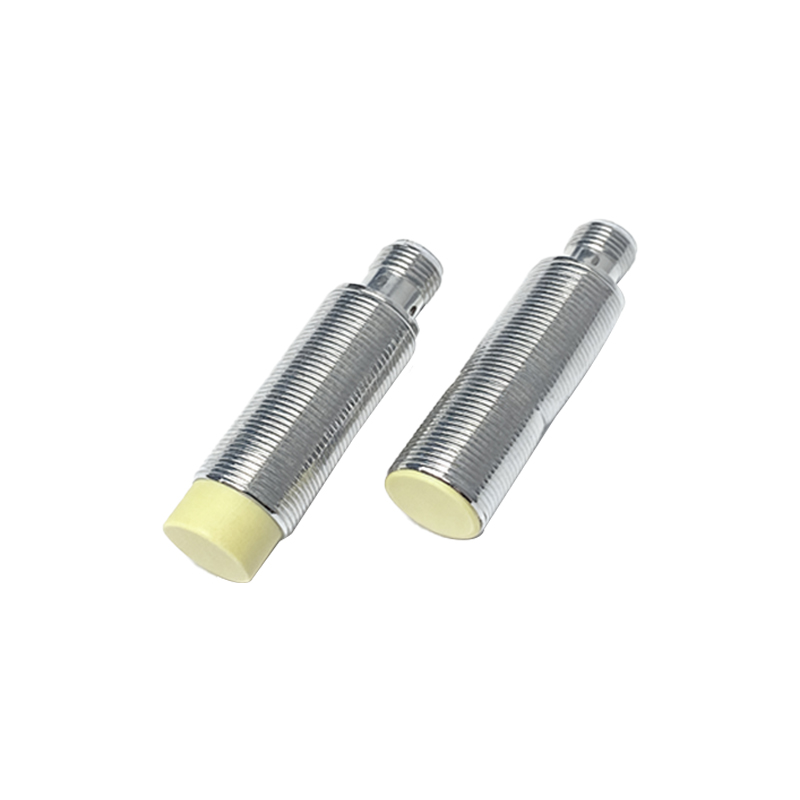
When selecting a proximity sensor like the GX-FL15A-P, engineers must evaluate several parameters against the application needs. These include the target material (ferrous metals like iron and steel are detected at the full sensing range, while non-ferrous metals like aluminum or copper may require a reduced range), the required sensing distance, environmental conditions (temperature, humidity, chemical exposure), electrical requirements (output type PNP/NPN, voltage, current load), and response speed. Regular maintenance, though minimal, involves periodic cleaning of the sensing face from debris and verification of the electrical connections to ensure sustained accuracy.
In conclusion, the GX-FL15A-P inductive proximity sensor is a quintessential example of reliable industrial sensing technology. Its non-contact operation, rugged construction, and precise detection capabilities make it an indispensable tool for enhancing automation efficiency, ensuring safety, and improving overall equipment effectiveness (OEE). By understanding its technical principles and correct application guidelines, system integrators and maintenance personnel can leverage its full potential to create more resilient and intelligent industrial systems.