In the realm of industrial automation, proximity sensors are indispensable components, acting as the silent sentinels that detect the presence or absence of objects without physical contact. When specifying these critical devices, engineers and procurement specialists often face a significant question: what drives the price of branded proximity sensors? The cost is not a simple figure but a reflection of a complex interplay of technology, performance, and market dynamics.
Firstly, the core sensing technology is a primary cost determinant. Inductive sensors, used for detecting metallic objects, are generally the most cost-effective. Capacitive sensors, capable of sensing both metallic and non-metallic materials, come at a higher price point due to their more complex circuitry. Ultrasonic and photoelectric sensors, offering longer ranges and different detection capabilities, command premium prices. Brands like Siemens, Omron, or Pepperl+Fuchs invest heavily in R&D for each technology, and this innovation is embedded in the sensor's price.
Performance specifications directly correlate with cost. Key parameters include sensing range, switching frequency, housing material, and protection rating (IP or NEMA). A standard 8mm inductive sensor with a 2mm range is relatively inexpensive. However, a sensor with a 15mm range, a high switching frequency of 5kHz, a stainless-steel housing, and an IP67 rating for harsh environments will be substantially more costly. Brands differentiate themselves by offering superior consistency, accuracy, and longevity at these higher performance tiers, justifying the price premium.
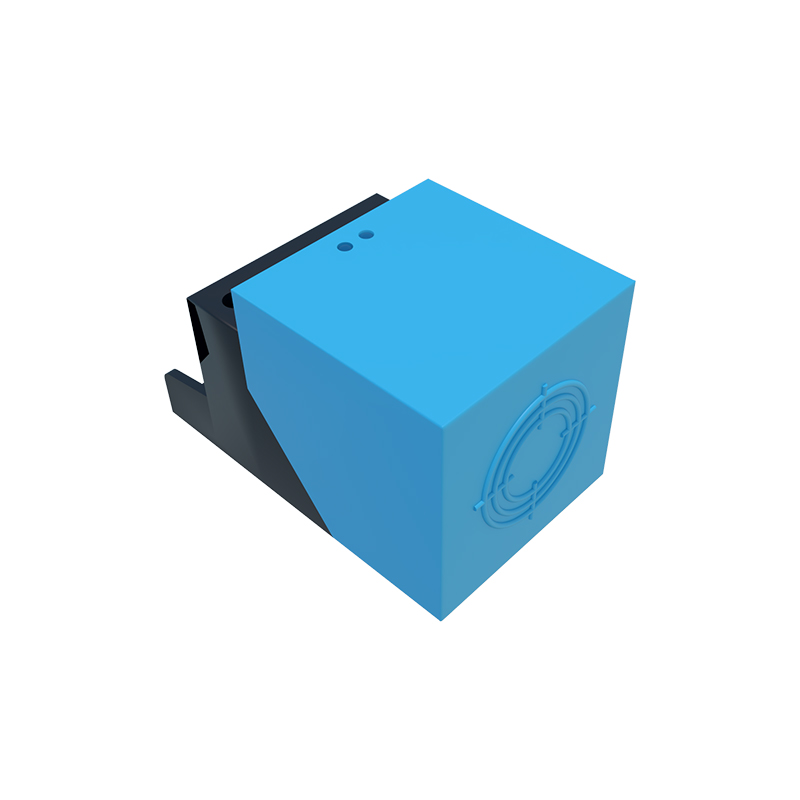
The form factor and special features add another layer. Cylindrical sensors are typically standard, while rectangular or ring-shaped designs are more specialized and expensive. Sensors with built-in diagnostics (like IO-Link capability), analog outputs, or heightened resistance to specific chemicals or welding spatter involve additional engineering and components, increasing the unit price. For instance, a standard sensor from a reputable brand may cost $50, while its IO-Link enabled counterpart could be $80 or more.
Brand equity and supply chain stability are intangible yet crucial factors. Established brands like Balluff, IFM, or Schneider Electric carry a price that encompasses not just the product but also guaranteed quality, extensive technical support, global availability, and reliable warranty services. In critical applications where downtime costs thousands per minute, this reliability is invaluable and is factored into the initial purchase price. Conversely, generic or lesser-known brands may offer lower upfront costs but pose risks in long-term performance and support.
Market forces and purchasing volume also play a role. List prices are often a starting point. OEMs purchasing thousands of units annually secure significant volume discounts that are not available for a one-off MRO (Maintenance, Repair, and Operations) purchase. Furthermore, global material costs for chips, metals, and plastics, along with logistics, influence the final price. A sensor designed and manufactured in regions with higher labor costs will naturally be priced differently than one produced elsewhere.
In conclusion, the price of a branded proximity sensor is a multifaceted equation. It is a synthesis of its technological sophistication, performance envelope, built-in features, and the assurance of the brand behind it. For engineers, the focus should shift from merely comparing sticker prices to evaluating the total cost of ownership. A higher-priced sensor from a trusted brand that ensures years of flawless operation in a demanding environment often proves more economical than a cheaper alternative that risks premature failure and production halts. Specifying the right sensor involves balancing technical requirements with budgetary constraints, always with an eye on the long-term operational integrity of the automated system.