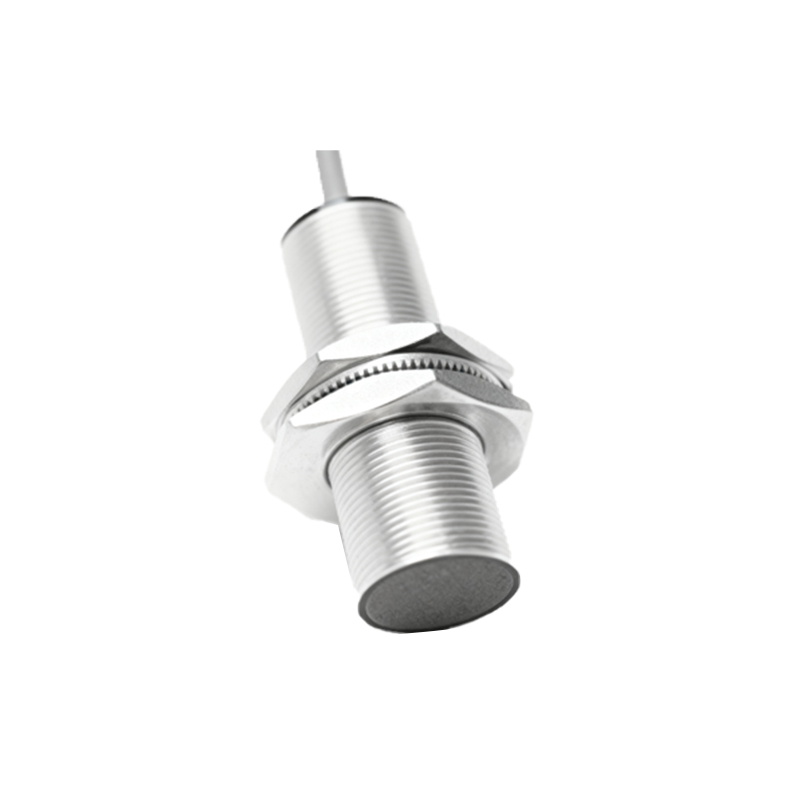
In the realm of industrial automation and smart manufacturing, high-quality proximity sensors have emerged as indispensable components, driving efficiency, safety, and precision across diverse sectors. These non-contact devices detect the presence or absence of objects within a specified range, offering reliable performance in harsh environments where mechanical switches might fail. Their significance extends beyond mere detection, influencing system responsiveness, operational continuity, and data integrity.
One primary role of high-quality proximity sensors is enhancing operational safety. In automated machinery, they prevent collisions by monitoring the position of moving parts, ensuring that equipment halts when an obstruction is detected. For instance, in robotic assembly lines, sensors can identify human intrusion into restricted zones, triggering immediate shutdowns to avoid accidents. This proactive safety measure reduces workplace injuries and minimizes downtime caused by mishaps. Moreover, in hazardous areas with explosive atmospheres, intrinsically safe proximity sensors provide critical monitoring without spark risks, complying with stringent industry regulations like ATEX and IECEx.
Beyond safety, these sensors contribute significantly to precision and quality control. High-end models offer millimeter-level accuracy, enabling exact positioning in applications such as CNC machining, packaging, and semiconductor fabrication. By detecting minute variations in object placement, they ensure that components are aligned correctly, reducing material waste and rework. In the automotive industry, proximity sensors verify part presence during assembly, preventing defects that could compromise vehicle performance. Their ability to operate consistently at high speeds—often with response times under one millisecond—supports rapid production cycles without sacrificing accuracy.
Energy efficiency is another key benefit. Unlike mechanical limit switches that require physical contact and wear over time, proximity sensors consume minimal power and have no moving parts, leading to lower maintenance costs and extended service life. In smart buildings, they enable lighting and HVAC systems to activate only when occupants are nearby, cutting energy consumption by up to 30%. Similarly, in conveyor systems, sensors optimize material flow by tracking items in real-time, preventing jams and reducing idle motor runtimes. This sustainability aspect aligns with global trends toward green manufacturing and resource conservation.
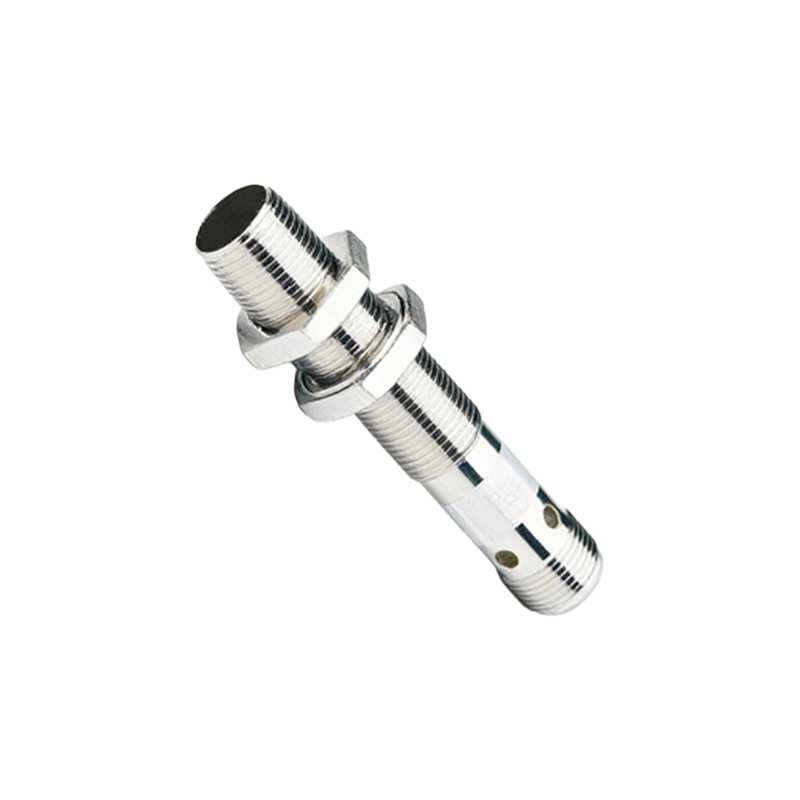
Data integration capabilities further elevate the value of high-quality proximity sensors. Modern variants come with IO-Link or Ethernet connectivity, allowing seamless communication with PLCs and IoT platforms. This facilitates predictive maintenance, as sensors can transmit diagnostic data—like temperature shifts or signal degradation—alerting operators to potential failures before they occur. In logistics, networked sensors provide real-time inventory tracking, enhancing supply chain visibility. By feeding precise positional data into digital twins, they support simulation and optimization of industrial processes, bridging the gap between physical operations and cyber-physical systems.
Durability is a hallmark of premium proximity sensors. Constructed with stainless steel housings and robust sealing (e.g., IP67/IP69K ratings), they withstand extreme conditions—from heavy vibration in mining equipment to chemical exposure in pharmaceutical plants. This resilience ensures uninterrupted performance in industries like food processing, where sensors must endure frequent washdowns without corrosion. Advanced models also feature immunity to electromagnetic interference, maintaining signal stability near motors or welders, which is crucial for reliable automation in metalworking or automotive plants.
In summary, high-quality proximity sensors serve as critical enablers of modern industrial ecosystems. Their roles in safety assurance, precision control, energy savings, data-driven insights, and environmental adaptability make them vital for achieving operational excellence. As Industry 4.0 evolves, the demand for smarter, more robust sensors will only grow, underscoring their transformative impact on productivity and innovation. Investing in superior proximity technology is not merely an operational choice but a strategic imperative for forward-thinking enterprises.