In the realm of industrial automation and machinery, proximity sensors stand as silent sentinels, enabling countless processes with their non-contact detection capabilities. As an electrical engineer with decades of field experience, I've witnessed the evolution of these critical components from simple electromechanical switches to sophisticated, intelligent devices. This guide delves into the core principles, types, applications, and selection criteria for proximity sensors in modern industrial equipment.
At its heart, a proximity sensor detects the presence or absence of an object within its sensing range without physical contact. This fundamental principle eliminates mechanical wear, increases operational speed, and enhances reliability. The operation hinges on various physical phenomena, primarily electromagnetic fields, capacitance, or ultrasonic waves. Inductive proximity sensors, for instance, generate an oscillating electromagnetic field. When a metallic target enters this field, it induces eddy currents, causing a change in the oscillation amplitude that the sensor's circuitry detects, triggering an output signal. This makes them ideal for detecting ferrous and non-ferrous metals in harsh environments like machine tools, conveyors, and robotic arms.
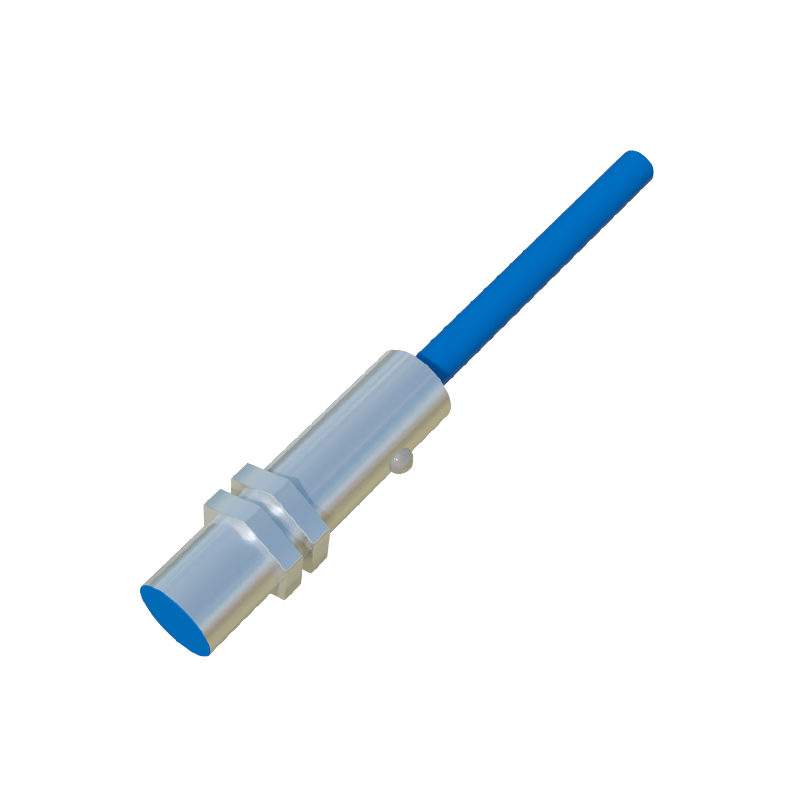
Capacitive proximity sensors operate on a different principle. They generate an electrostatic field and detect changes in capacitance caused by the approach of any material—metal, plastic, wood, liquid, or granules. This versatility makes them indispensable in level detection for tanks, material handling, and packaging lines where non-metallic objects are prevalent. Ultrasonic sensors, using sound waves, excel in distance measurement and detecting objects of various compositions, even in dusty or foggy conditions, common in material handling and automotive assembly.
The selection of the appropriate proximity sensor is a critical engineering decision. Key parameters include sensing distance, which should have a 10-20% safety margin from the actual application distance to account for installation tolerances and thermal drift. The target material directly dictates the sensor type: inductive for metals, capacitive for nearly everything else. Environmental factors are paramount. Industrial settings often present extreme temperatures, washdown conditions with high-pressure chemicals (requiring IP67, IP69K ratings), intense vibration, and electromagnetic interference. Selecting a sensor with a robust housing (stainless steel or PBT plastic), appropriate temperature rating, and shielded design is non-negotiable for long-term reliability.
Output configuration is another vital consideration. The classic two-wire DC sensor simplifies wiring but has inherent leakage current. Three-wire DC sensors (PNP or NPN sourcing/sinking) and four-wire versions (with both NO and NC contacts) offer more control and interface flexibility with Programmable Logic Controllers (PLCs). Analog output sensors (4-20 mA, 0-10V) provide continuous distance information for precision control applications. Engineers must also consider mounting (flush, non-flush), connection style (pre-wired cable or quick-disconnect), and diagnostic features like LED status indicators or IO-Link communication for Industry 4.0 readiness.
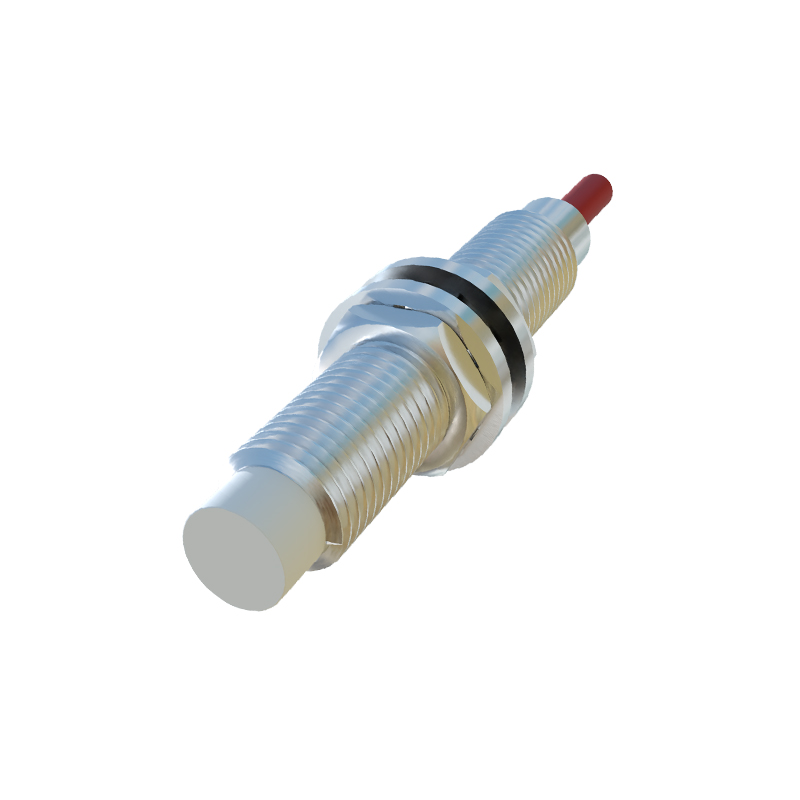
In practical application, proper installation is as crucial as the selection itself. Ensuring the correct mounting geometry, avoiding mutual interference between adjacent sensors, and protecting the sensing face from physical damage and buildup are standard best practices. For inductive sensors, the reduction factor for different metals must be accounted for when calculating the effective sensing range. Regular maintenance, though minimal, involves checking for physical damage, cleaning the sensing face, and verifying electrical connections.
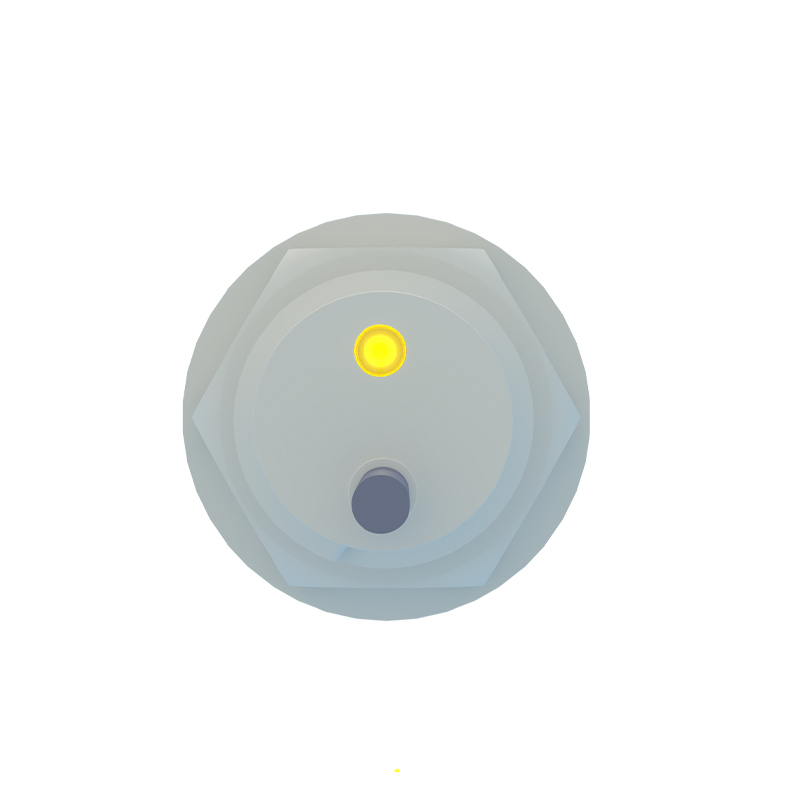
Looking forward, the integration of smart sensor technology is transforming the landscape. Sensors with IO-Link communication provide not just a switch signal but a wealth of data—operating temperature, signal strength, operating hours, and diagnostic warnings. This enables predictive maintenance, reducing unplanned downtime and optimizing machine performance. The role of the proximity sensor is evolving from a simple detection device to a key node in the Industrial Internet of Things (IIoT).
In conclusion, proximity sensors are fundamental building blocks of automated industrial systems. A deep understanding of their operating principles, a meticulous approach to selection based on the specific application and environment, and adherence to proper installation practices are the hallmarks of proficient electrical engineering in this domain. By mastering these elements, engineers can design robust, efficient, and intelligent machinery that meets the demanding pace of modern manufacturing.